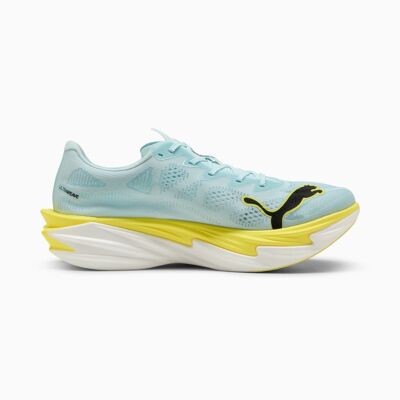
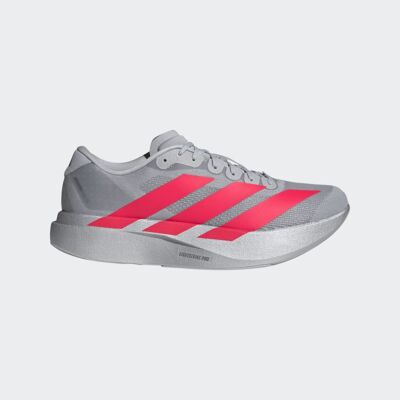
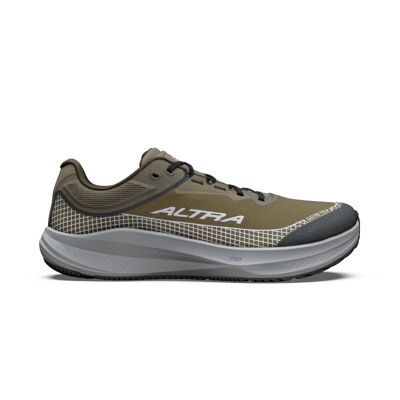
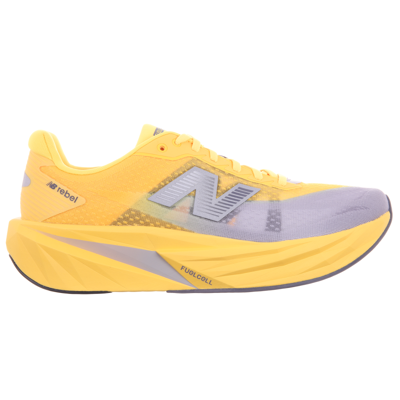
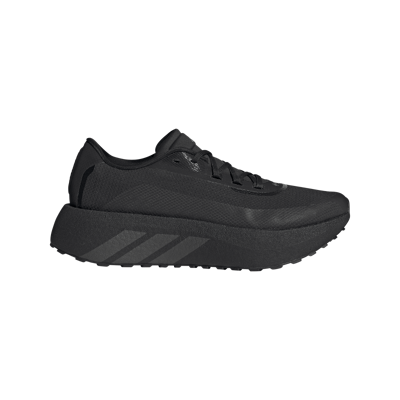
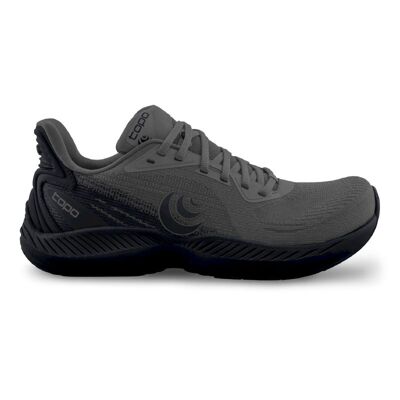
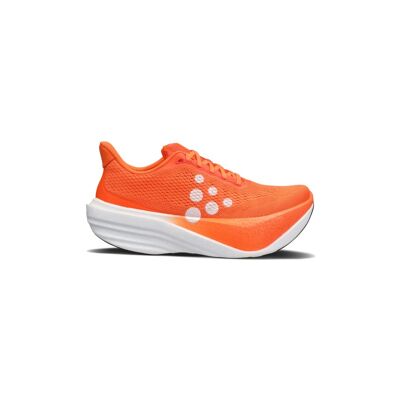
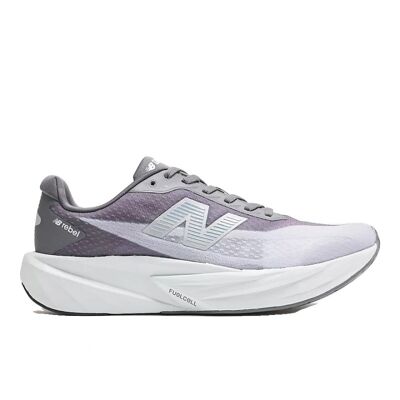
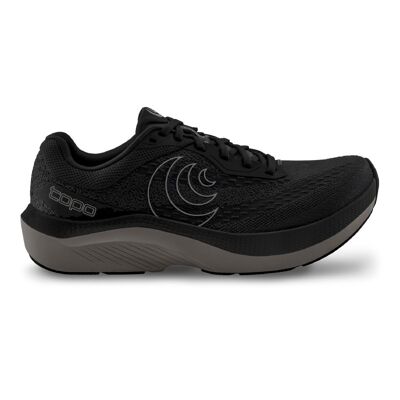
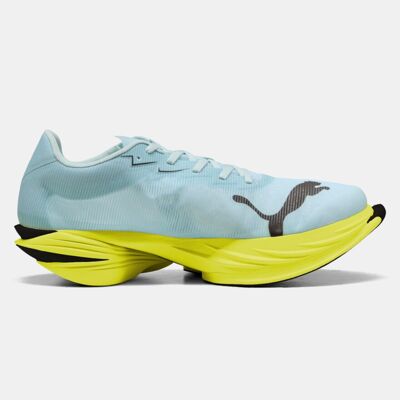
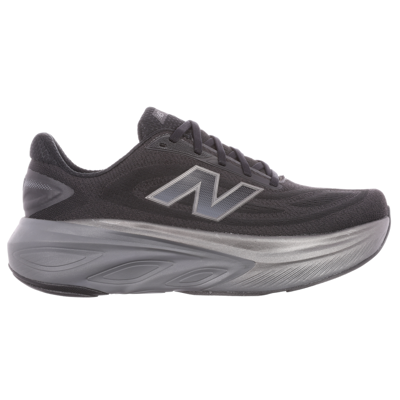
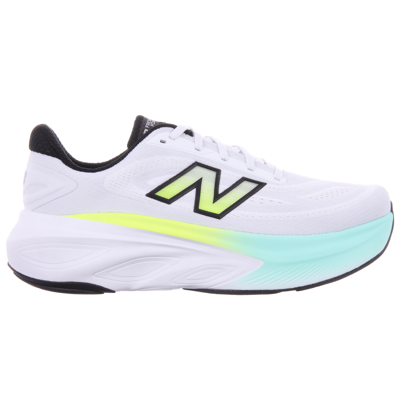
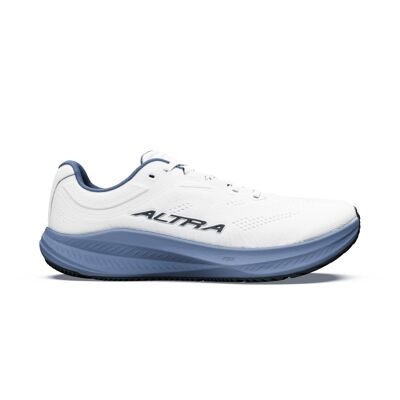
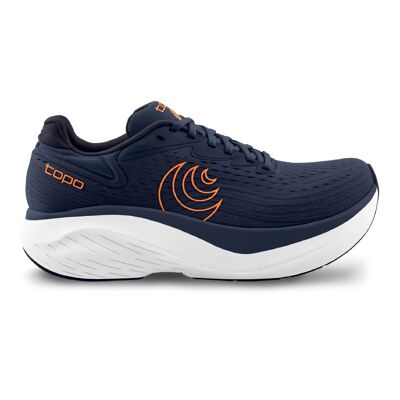
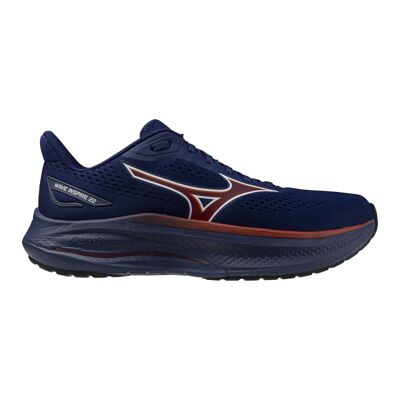
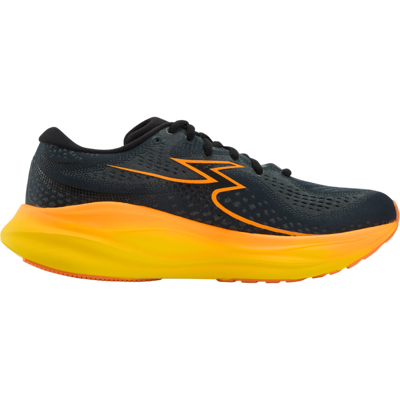
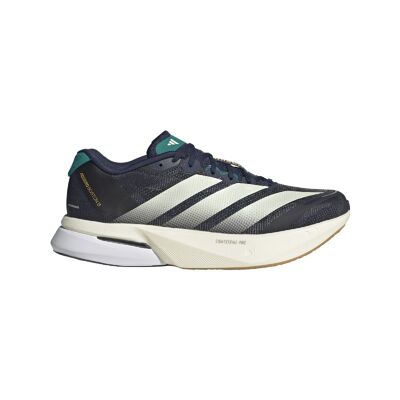
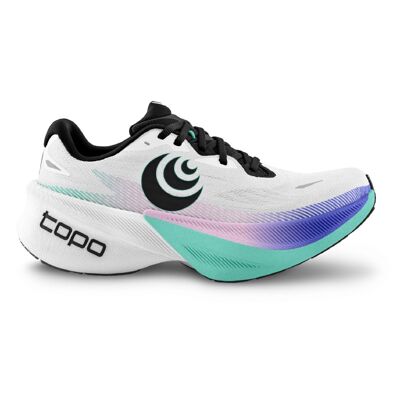
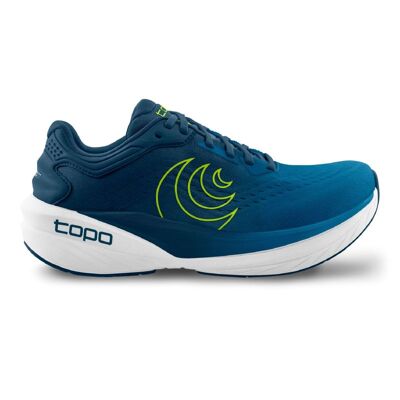
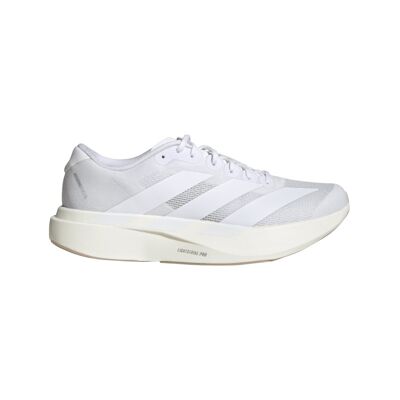
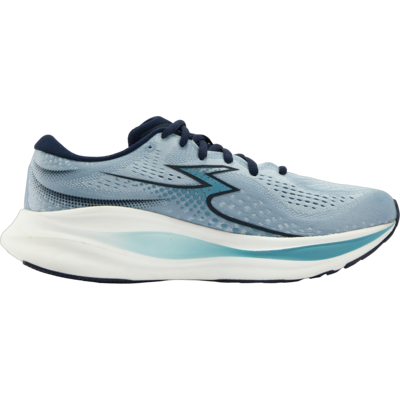
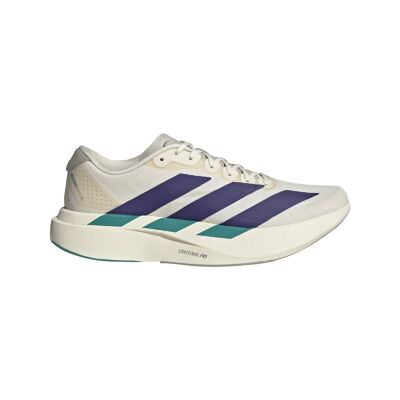
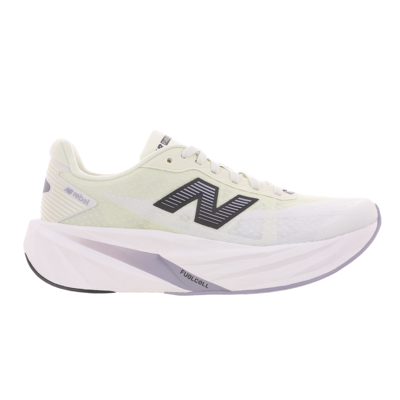
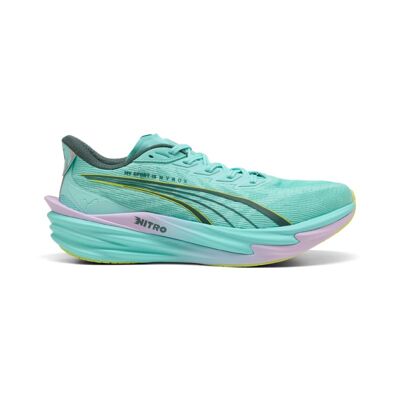
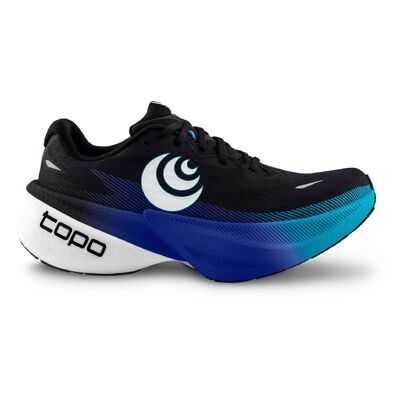
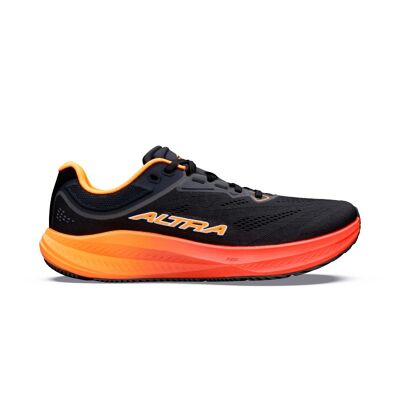
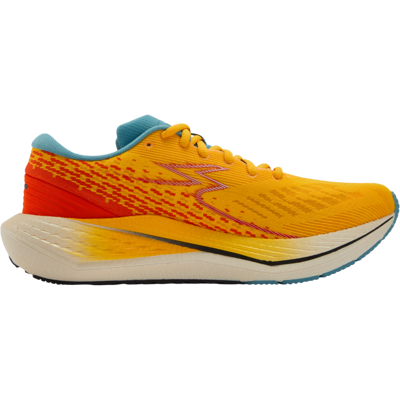
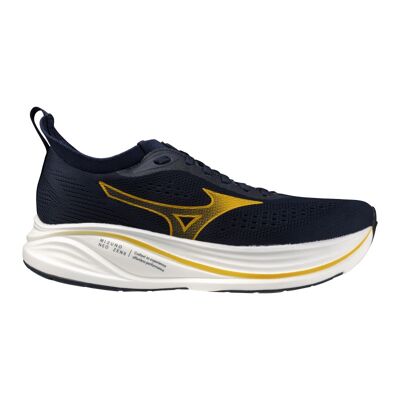
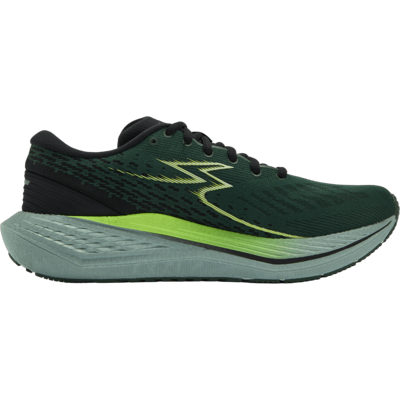
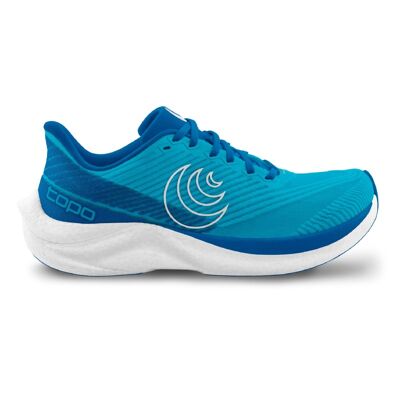
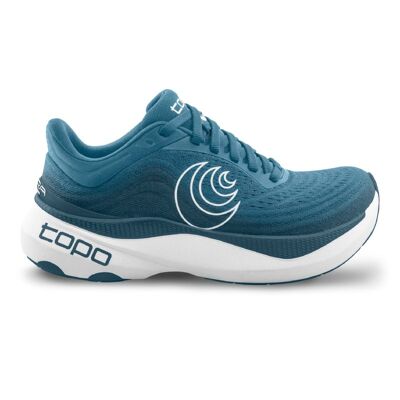
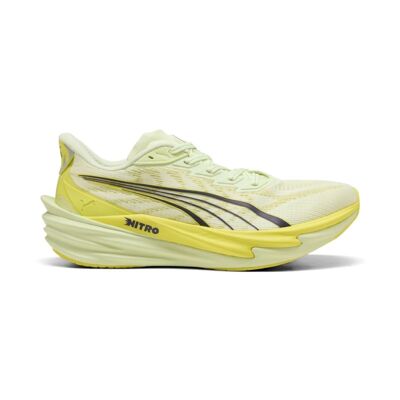
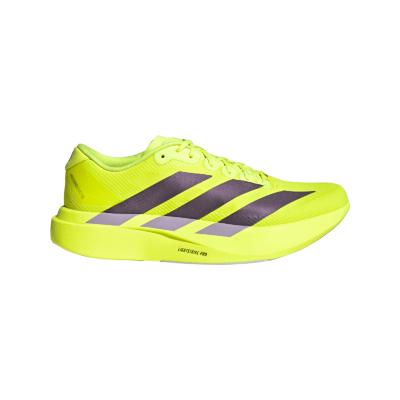
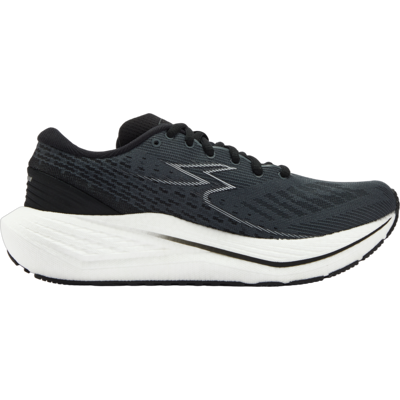
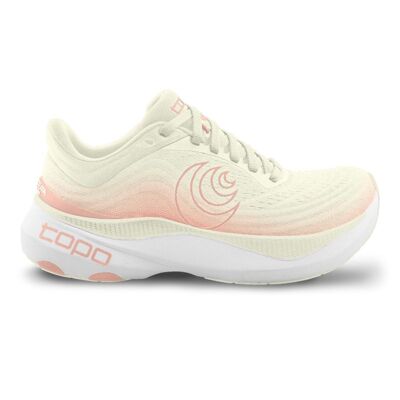
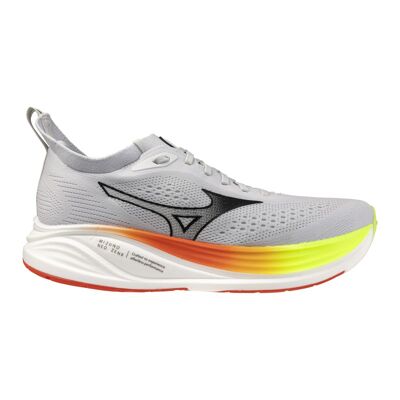
The running shoe, your ally for adopting a professional stride
Your heart races as you haven't even started yet. You tremble slightly due to the excitement of the moment: you are indeed at the start of this running event for which you have prepared so much. 10 km during which you can show everyone around you what you are truly worth, you and your running shoes. You reminisce, just seconds before the starting gun, about your last training sessions: with music in the background, you were clocking up the miles, well positioned in your pair of running shoes. This incredible pair, the best running shoe in your eyes, took you many years to find. You had tried some less successful options before finally soaring over all the paths and tracks with this unique running sneaker. You remember how much you suffered in running shoes that were not suited to your feet and your stride type during your previous personalised running coaching and look proudly at your new sport running shoe, the one that is now starting with you. Before your thoughts take you elsewhere, you hear a dull sound echoing in the distance and feel each member of the crowd stir around you. No doubt about it, it's time to take off, and the first stride is liberating: your running shoe, very responsive, allows you to maintain a stride that strikes on the forefoot. You feel ready to conquer mountains and you aim for the podium with this incredible running shoe! Your running unfolds as you imagine, the crowd of spectators inspires you to push yourself further and you feel, during the last lap, that it's time to accelerate to gain a few places, those that will make you one of the people to climb onto the podium. Despite the lactic acid burning your legs, you manage to quicken your pace and suddenly think that you are well aided by this running shoe that certainly has a lot of response. You overtake one, then two people and despite the advice given by your coach, you cannot look at the finish line in the distance: you can only concentrate on your steps and on your running shoe in bright colours that seem to be moving at full speed on this concrete ground. You cross the finish line with a heart-wrenching sigh of satisfaction and collapse onto those same running shoes that have helped you so much to conquer the podium. Then, shortly after the end of your running, comes the time for the awards ceremony. The room is before you and you are asked to comment on your race: how can you not mention your sport running shoe, the one that led you to a brilliant victory? With a smile, you then reflect on the selection criteria that led you to discover the best running shoe of all time, evidently.
How to choose your running shoe well?
Comfortable with a microphone, you start by discussing your running practice as a whole. You explain that you much prefer running on trails and prefer cross-country to the track, which is harder on all your joints, and that you had, long ago, opted for running shoes specifically designed for running on trails. Over time, you chose running shoes known as "mixed", possessing good cushioning and offering good responsiveness and optimal dynamism.
Noticing the wear on your poor running sneaker over time, you realised that you were a pronator. Your foot strikes the ground from the outside and then rolls inwards, concentrating around your big toe. Initially, you sought a pair of running shoes that corrected this, and you found that the difference was minimal since your pronating stride was not very pronounced. By talking with other sports enthusiasts passionate about running, you learned that there is also a supinating stride and a so-called universal stride. Some running shoes also correct the supinating stride, which is a stride that strikes with a foot landing on the outside and whose incomplete ankle movement does not allow for a flat foot placement. However, you explain fluently into the microphone that a corrective running shoe is not necessary if your stride is not extreme.
After choosing a universal running shoe, you actively considered your drop choice. Again, it took you time to find the height of your dreams! The drop of a running shoe is the height difference between the back and front of the shoe. Many runners are looking for a "natural stride" and for that, the drop should be relatively minimal. However, as you explain with great enthusiasm, the first advice you were given for choosing a running sneaker was to opt for a medium, universal drop of about 8 mm. You were then told that once you got used to running, your stride would naturally shift to the front of your foot and not the heel: you could then consider a drop of 6 mm or 4 mm. If, on the contrary, over time and with your grandma's cakes, you had gained a lot of weight, you would undoubtedly have opted for a running shoe with a 10 mm drop, to provide more protection against impacts with the ground. You have also, many times, overestimated the endurance capacity of your running shoe. Indeed, as you have noticed, you should part ways with your running sneaker if it has covered more than 1,000 kilometres, or even 500 if your running shoes were very light, usable in competition for example. Facing the crowd of spectators who are hanging on your every word, you suddenly realise that there is still much to be done for everyone to choose their running shoe with full knowledge of the facts. It is to a thunderous applause that you then receive your medal and promise to store it in your running shoes to dedicate this victory to them, once they have surpassed 1,000 kilometres, and you cannot bring yourself to part with them. Who said a running shoe couldn't have a second life and be transformed into a medal holder?
The Hoka running shoe, the oversized sneaker that gives you wings
After your incredible performance on the microphone, you have been invited to various shows to discuss different models and brands of running shoes. At this hour, you have been chosen to talk about the brand Hoka, an essential brand in the field of running. You remember very well having completed a full running course with a running shoe from the brand Hoka. For you, whether it is a men's running shoe or a women's running sneaker, Hoka offers innovative technologies to meet all the demands of athletes. You explain to the journalist who questions you that the Annecy-based brand has taken the path of innovation since each running shoe incorporates a prominent sole, known as "oversize", about two and a half times thicker than that of other outdoor sports brands. This curved sole allows for propulsion and increases dynamism. To support your claims, you then mention the Hoka Clifton 4 running shoe, a running shoe that perfectly stabilises the foot and whose low drop of 5 mm allows for a more natural stride. As with all Hoka running shoes, the cushioning is up to 50% greater than that of classic running shoes. You do not stop there and take the opportunity to talk about the Hoka Elevon running shoe, another very dynamic running shoe that has flex grooves placed all over its surface to provide more flexibility. You also make sure to mention that this running shoe features a seamless mesh that allows for optimal ventilation, which is absolutely essential when the end of the race is intense.
The running shoe, an ally for everyday life
Your interview is once again a great success in the world of running and other brands such as Salomon, Mizuno, New Balance, Saucony, and La Sportiva contact you to present their best running shoe. You then realise that this pair of running shoes, in addition to having taken you to the end of your dream during that long-awaited race, has opened many other unexpected doors for you.