
Ice Axes for Mountaineering
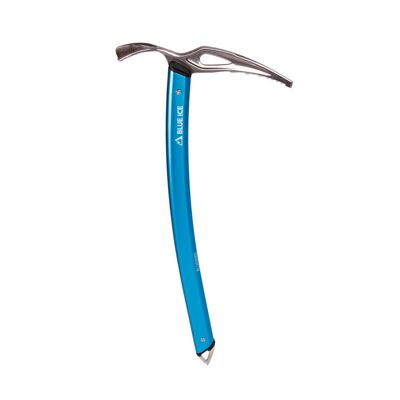
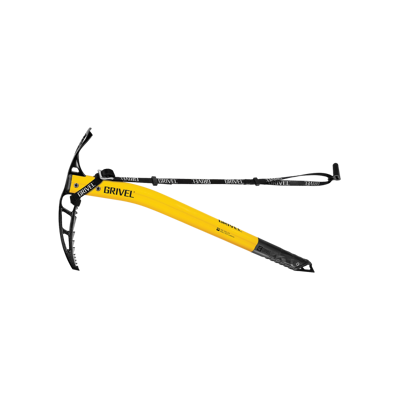
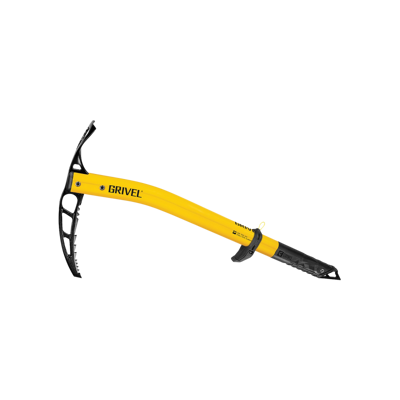
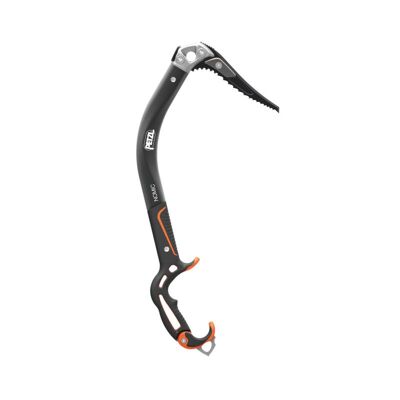
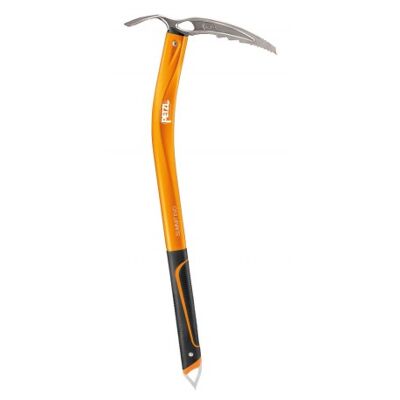
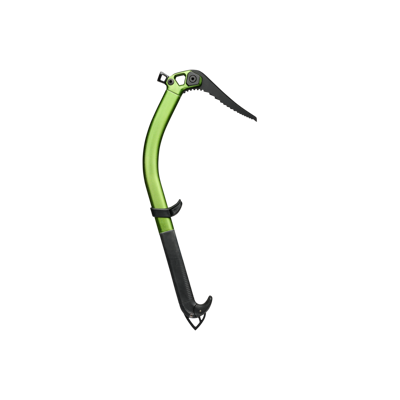
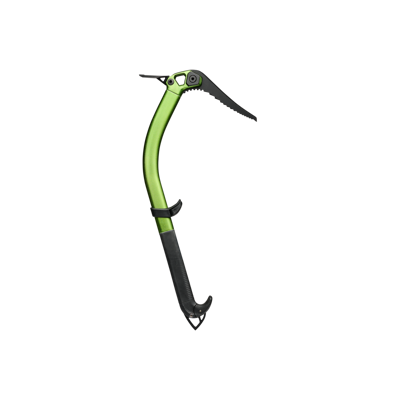
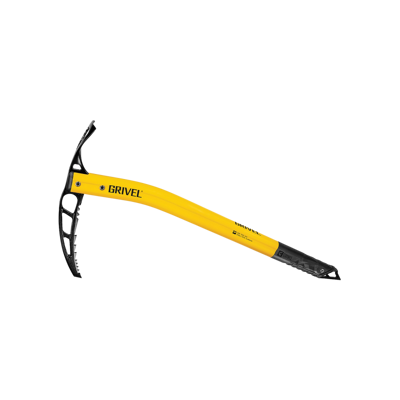
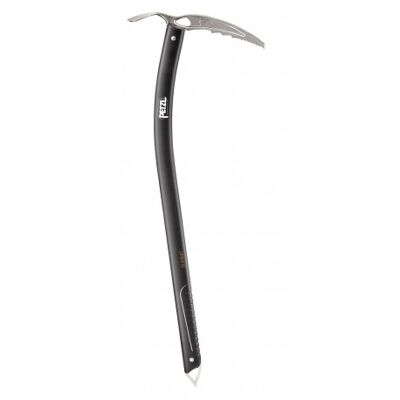
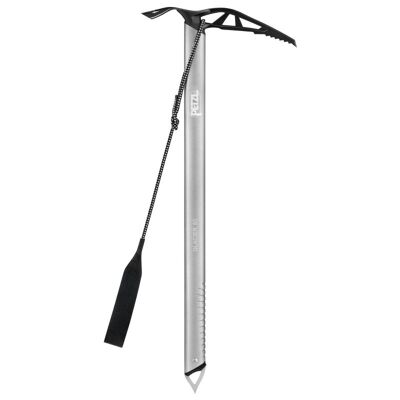
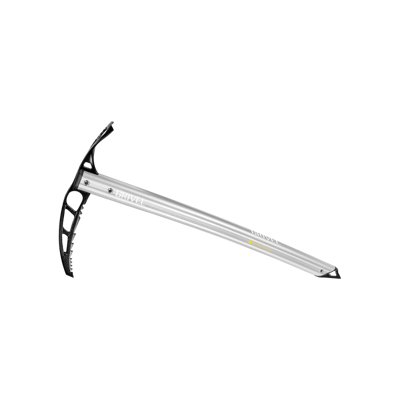
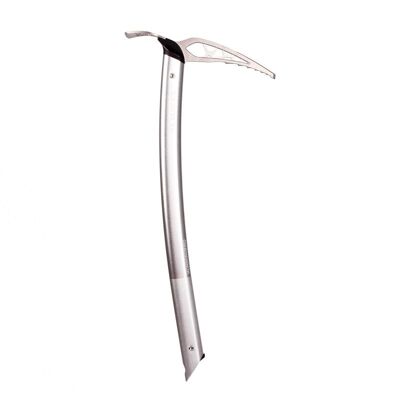
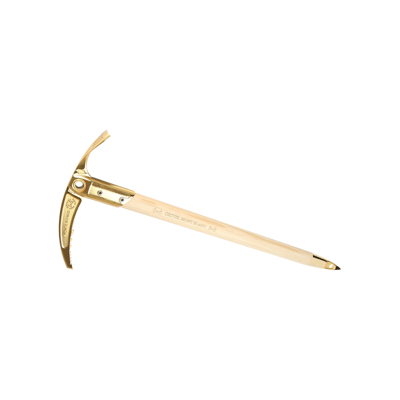
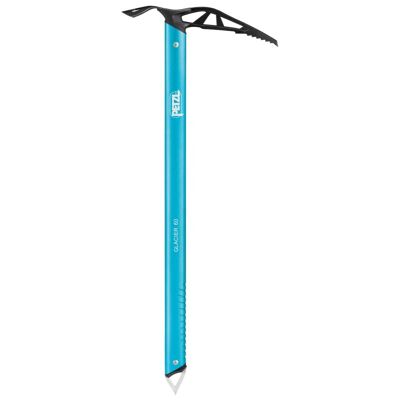
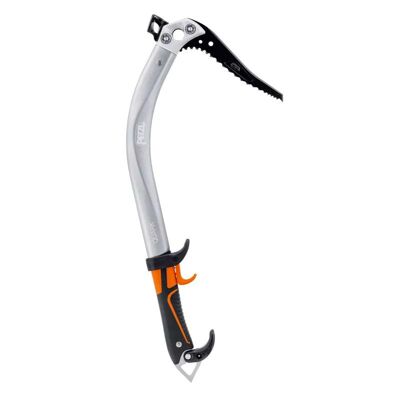
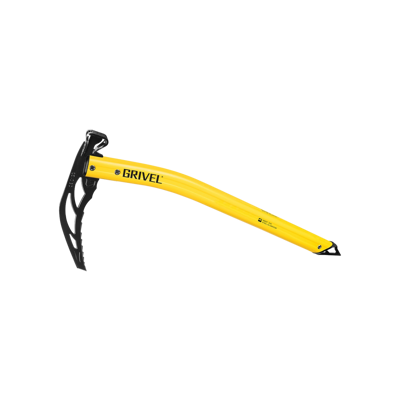
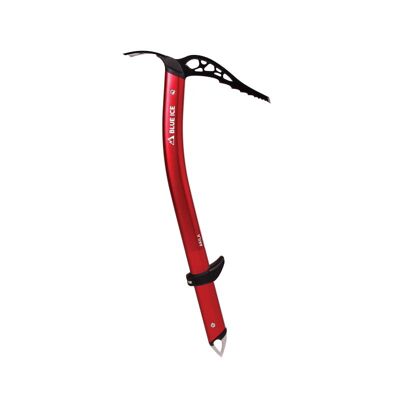
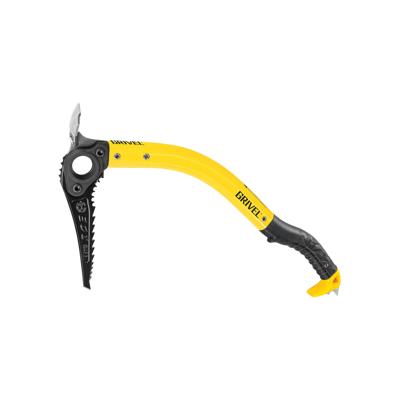
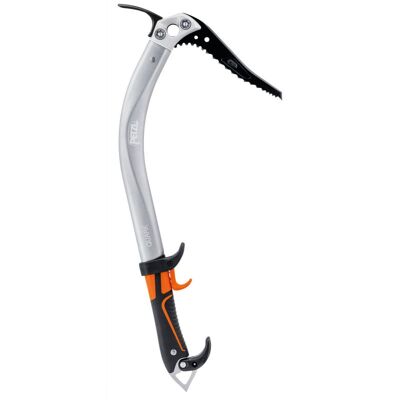
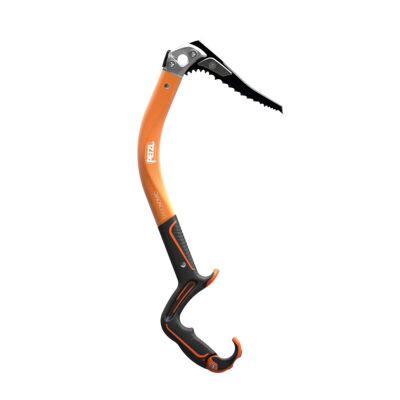
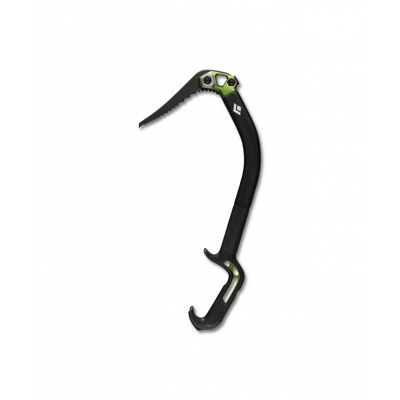
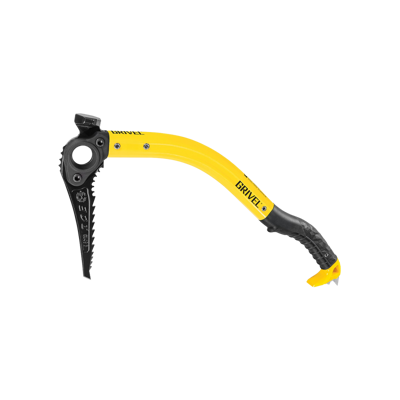
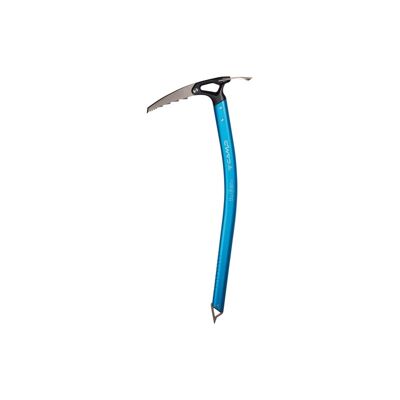
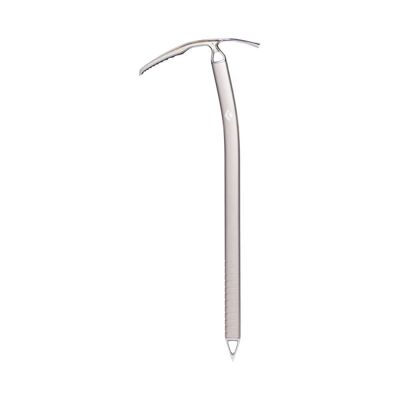
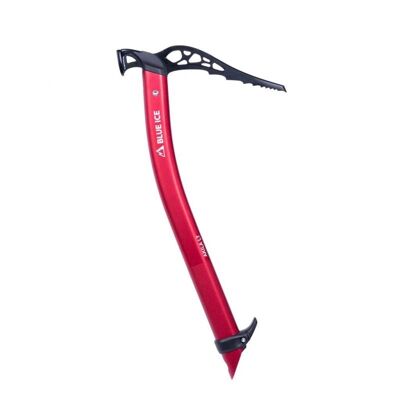
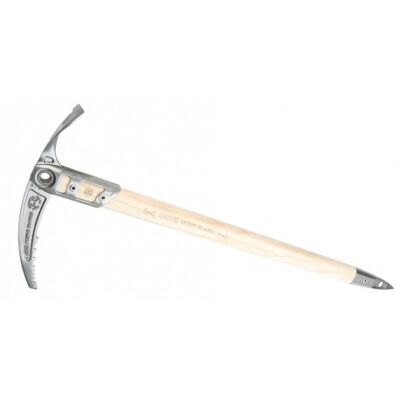
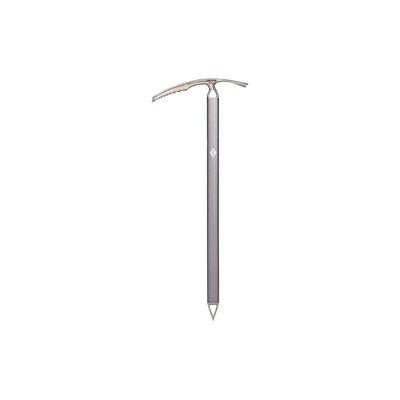
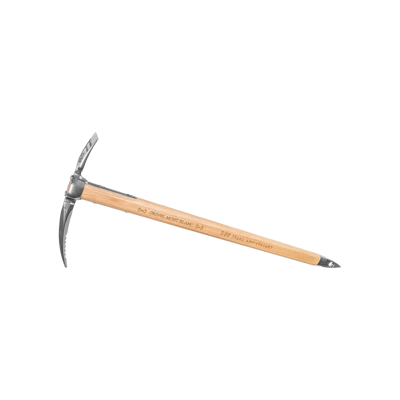
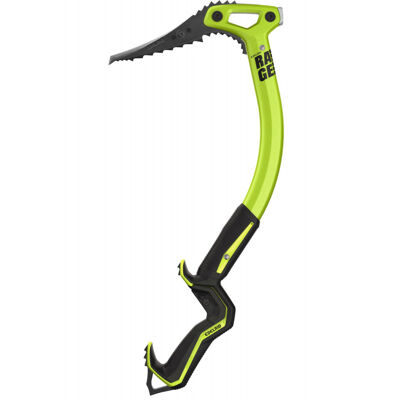
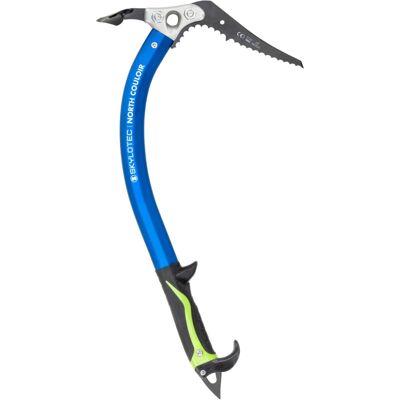
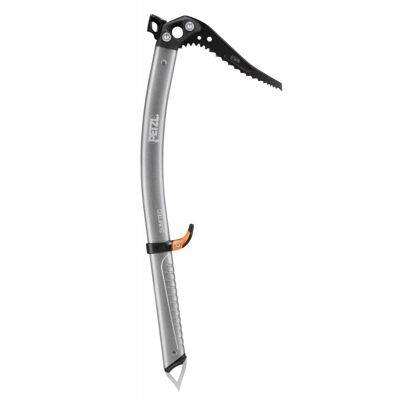
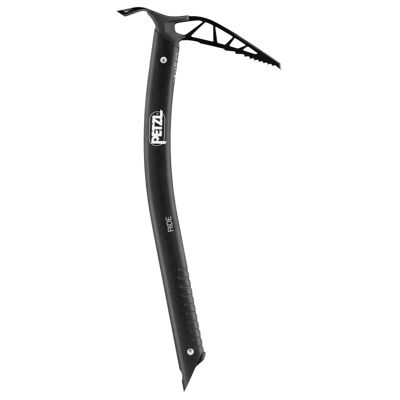
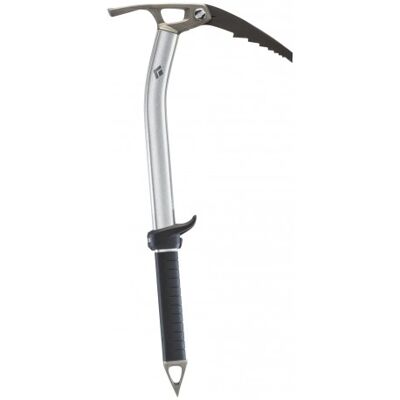
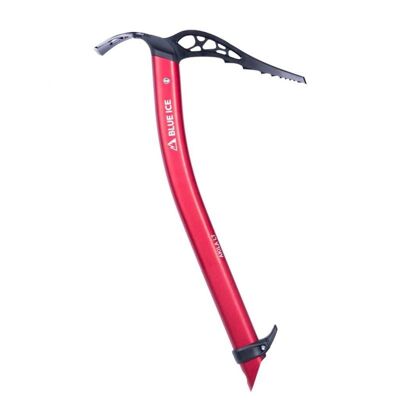
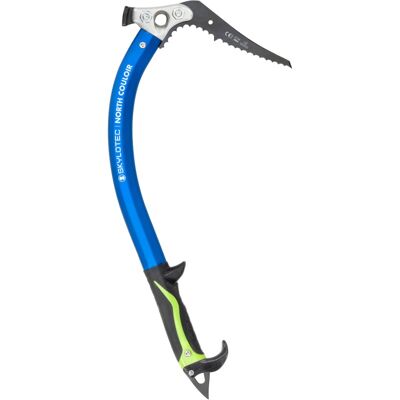
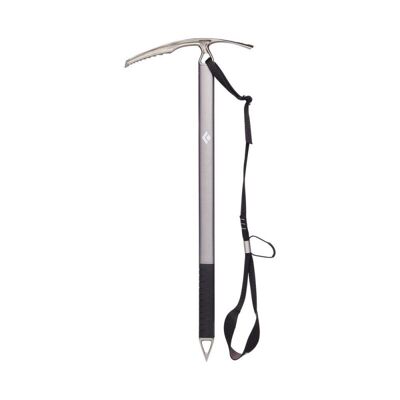
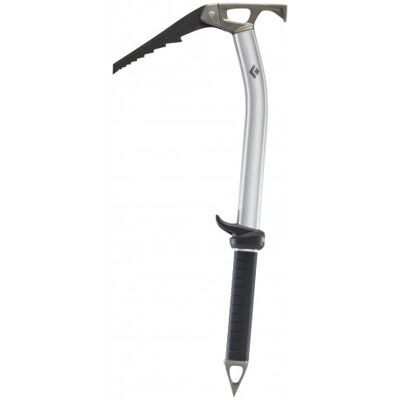
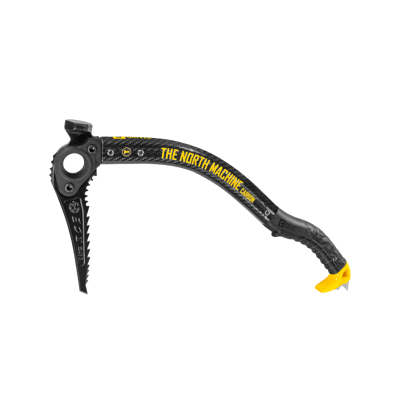
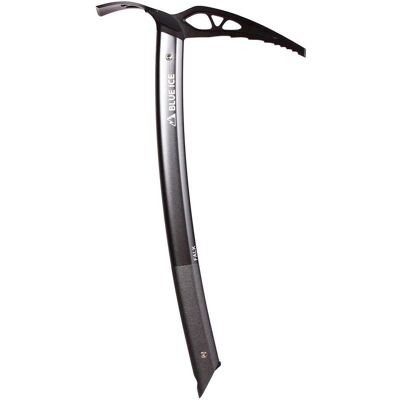
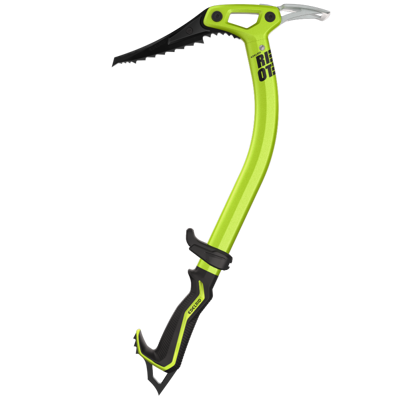
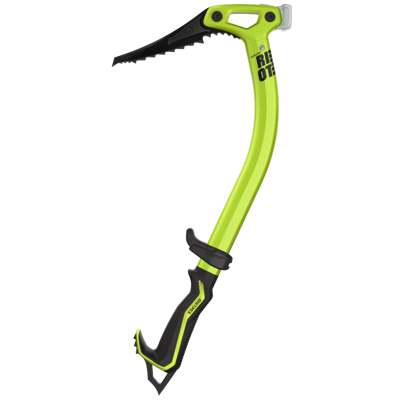
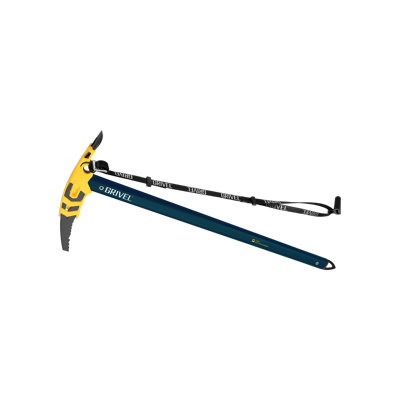
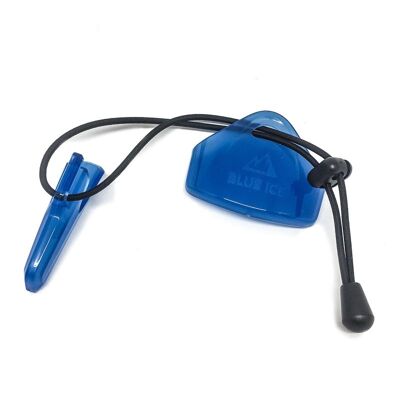
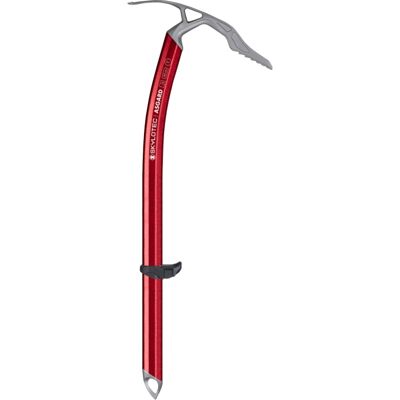
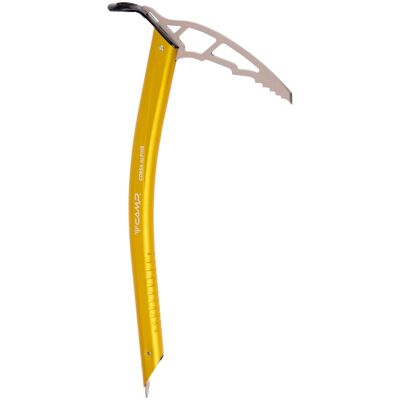
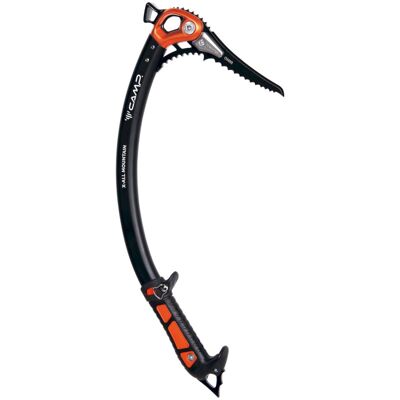
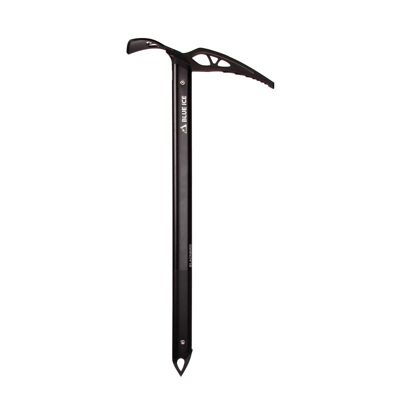
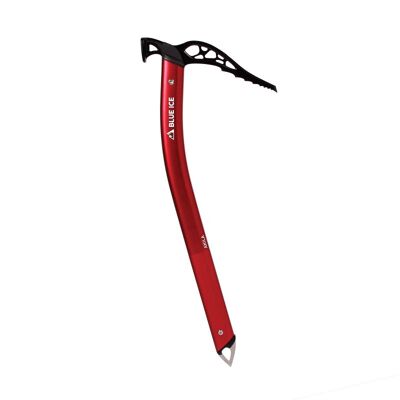
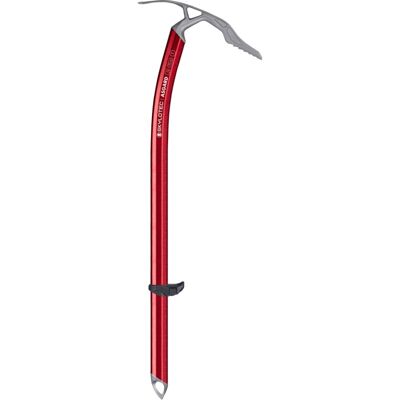
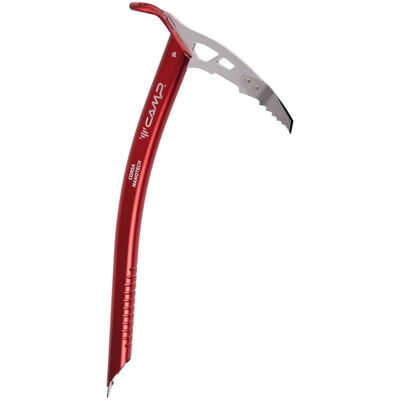
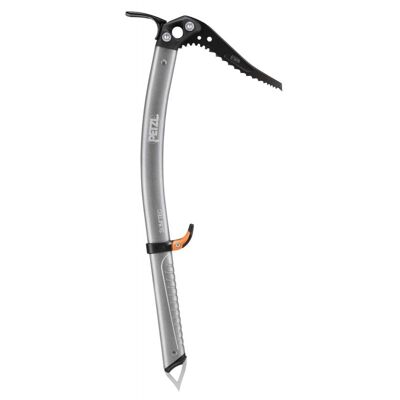
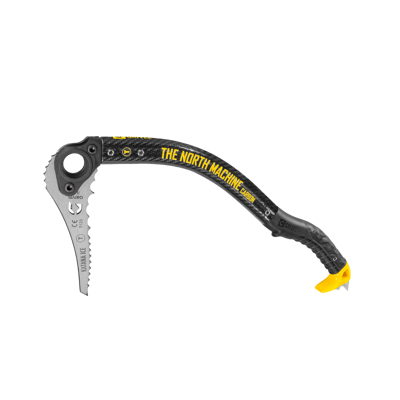
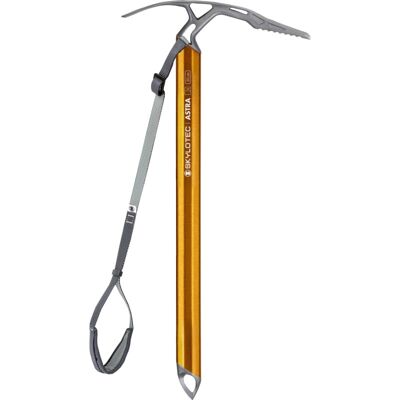
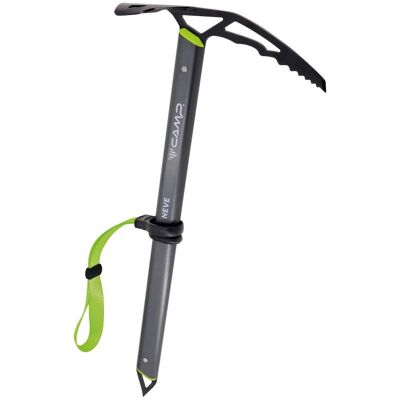
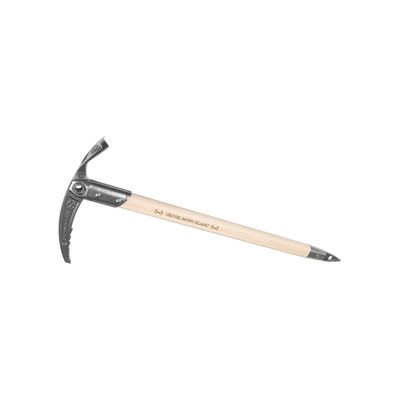
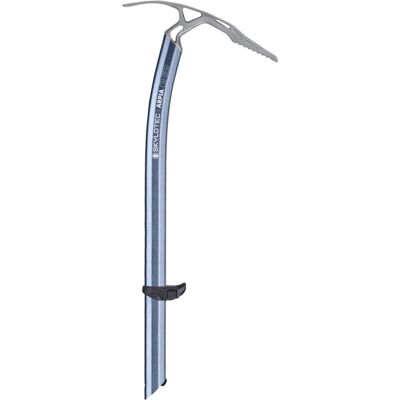
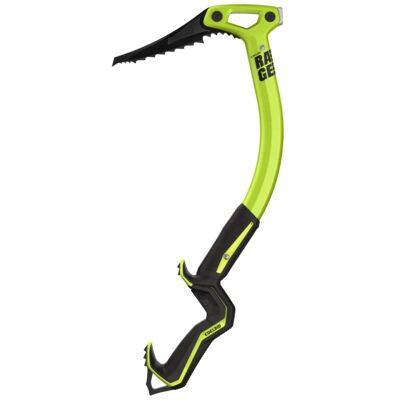
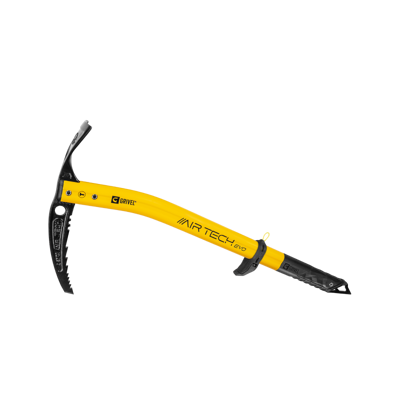
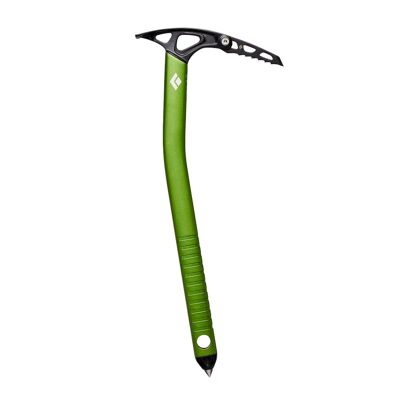
A mountain axe for conquering every peak!
Whether you're embarking on the ascent of Mont Blanc or heading out for a week of ice climbing, you'll encounter very technical paths. The ice axe for mountaineering will be a great help for climbing. Originally born from the fusion of an axe and a walking stick, the ice axe has become an essential tool for all mountaineers looking to venture out. Versatile, this tool is useful in many situations. Each route, each expedition presents different characteristics and needs that must be adapted to. Your ice axe is one of your main tools and like all your equipment, it must also have the right characteristics to allow you to achieve what you set out to do. Mountaineering, glacier hiking, ice climbing…: the ice axe serves in multiple disciplines and presents different characteristics depending on your use. Knowing your equipment is therefore essential to avoid making the wrong choice. Discover everything you need to know about the ice axe and its characteristics to choose the ice axe that will meet your expectations.
Ice Axe: an autopsy of this favourite tool of mountaineers
In this first part, we will present in detail all the parts that make up the ice axe as well as the necessary certifications for it to give you a better understanding of the ice axe.
Ice Axe: certifications and different types
To be marketed in the UK, an ice axe for mountaineering must have two certifications: EN 13089 and UIAA 152. These standards guarantee the quality of the product by ensuring that it meets certain conditions to maintain your safety. Here are the categories of shafts and blades of ice axes that exist:
- Type T (technical), this type includes the most resistant shafts and blades. To obtain certification, the blade must withstand 60 Newton meters and must resist 50,000 cycles of bending at 20 Newton meters without breaking. The shaft must, in turn, withstand a weight of 350 kilos in bending at its center without breaking. The entire shaft-head must remain linked despite a pull of 400 kg.
- Type B (basic) is less demanding on certification criteria than type T. The shaft must withstand a bending of 250 kg and the blade must hold a moment of 42 Newton meters. The head and shaft must remain linked despite a pull of 250 kg.
Ice Axe: the head of your mountaineering tool
The head of the ice axe consists of a blade and a pick. Today, ice axe heads are made up of several parts, which offers greater flexibility by allowing the different parts of the ice axe head to be changed.
Ice Axe: the blade of your mountaineering tool
The majority of blades are made of steel, while the other part consists of blades made of aluminium. Lightweight, they are ideal on a light ice axe for ski touring.
Steel blades:
- Advantages of a steel ice axe blade: Good mechanical and wear resistance, allows for better inertia with its weight.
- Disadvantages of a steel ice axe blade: Its high weight adds to the total mass of the ice axe.
Aluminium blades:
- Advantages of an aluminium ice axe blade: Lightweight to carry.
- Disadvantages of an aluminium ice axe blade: It wears out quickly and due to its light weight, does not create good inertia.
Ice Axe: the pick for working the ice
The pick of an ice axe is a tool that will allow you to cut steps in the ice, clear it, or even carve a platform. The pick is particularly useful when you want to cut steps directly into the ice for good support.
Ice Axe: a shaft made of carbon or aluminium
The shaft of the ice axe can be made of aluminium, carbon, or a mix of these two materials. Aluminium is the most common metal in the composition of the shaft because this material is the lightest and the cheapest. Carbon shafts, on the other hand, are much stiffer than their aluminium counterpart. The length of the ice axe shaft measures between 50 and 80 cm; the longer the shafts are, the more you can use them as a “walking ice axe” during your glacier hikes. Conversely, the shorter the shaft, the easier you can handle your tool.
Ice Axe: the hammer for placing pitons
The hammer can replace the pick on your ice axe head; it is used to place pitons. You may need it in certain configurations such as high mountain outings, mixed climbing, or ice climbing. Depending on the configuration of the routes you choose to take, a real hammer or a third-hand ice axe with a hammer is feasible.
The spike of your mountaineering tool
Located at the bottom of the shaft, there are different types of spikes. You can find on the market shafts without accessories, others with steel tips, useful for technical mountaineering and hiking. A spike can also be located at the bottom of the shaft.
The different characteristics of ice axes
We will present to you in this part the characteristics of ice axes that can vary according to the chosen activity.
The weight of your ice axe for mountaineering
The weight of your tool is closely linked to the type of activity you wish to do. For example, for glacier hiking, a light ice axe will be ideal. Conversely, for ice climbing or technical mountaineering, a heavier weight will be necessary for your ice axe to have inertia and be able to penetrate the ice more easily.
The spike of your ice axe
The spike is a protrusion at the bottom of the shaft that allows you to better hold your tool by facilitating your grip on the shaft.
The weights
The weights are small removable pieces that mount on the blade. They make it stiffer and increase its weight to ensure more inertia for the ice axe.
Choosing your ice axe based on your activity
Ice axes for glacier hiking
Of simple design with a straight or nearly straight shaft, the glacier hiking ice axe can support you as a cane to facilitate your progress. These ice axes are chosen longer than average to ensure additional support when used as a cane. Their length can still vary between 50 and 80 cm. They are sometimes equipped with a steel spike to facilitate the grip when used as a cane. To choose the size of your ice axe, stretch your arm; the tip should reach the height of your ankle.
Ice axes for technical mountaineering
For technical mountaineering, you will need a “all-terrain mountaineering ice axe”. This tool has several characteristics such as its weight and robustness, but also its head which offers good inertia and consists of a blade tapered with sharp teeth as well as a wide pick. Its shaft is slightly curved and allows for all classic and ice techniques, namely the ice axe-ramp, ice axe-gather, ice axe-anchor, ice axe-pick or traction.
Ice axes for ski mountaineering
Ski mountaineering is practiced with a light ice axe. This type of ice axe has its limits that need to be known. Fully made of aluminium or other lightweight alloys, it can be used as a cane. However, these materials do not allow you to effectively cut steps in the ice or ensure a good anchor. This ice axe can serve as a backup ice axe or for light templates.
Ice axes for ice climbing / gully
For this type of technical activity, you will need to equip yourself with a technical ice axe or a ice climbing axe. This tool is an extension of your arm with its curved shaft. Used in pairs, these tools guarantee you instant anchoring and de-anchoring. As for its head, it is often made up of removable parts to be adapted according to needs.
Accessories and maintenance of your mountaineering tool
Using a wrist strap or leash
Dropping your ice axe during an outing can mean trouble, which is why there are different ways to ensure that this doesn't happen. There are two common types of solutions:
- The wrist strap: It connects your wrist to the ice axe, preventing it from falling. However, the wrist strap prevents you from changing your ice axe from hand to hand.
- The leash: It is connected to your harness, offering you more flexibility by allowing you to change your ice axes from hand to hand.
Replacing the blades, hammer, and picks of your mountaineering tool
Changing a removable part of your ice axe is possible when it is damaged or when you wish to adapt your ice axe to your next outing. Always take the time to carefully read the manufacturer's instructions and follow the instructions described.
Maintaining and checking the condition of your mountaineering tool
Rust may appear on the blade of your tool. These signs of oxidation are not synonymous with wear and do not affect the performance and resistance of your blades. To remove them, you can use the abrasive side of a sponge by rubbing. To reduce the appearance of such marks, once your equipment is used, use a dry cloth to wipe it before storing it to leave no trace of moisture. Also, make sure to store it in a dry place. Coating the blade with a greasy substance such as oil or silicone grease ensures the good health of your blades. To check that your ice axe can still serve you without failing, you will need to check several parameters. After each outing in high mountains, remember to check your equipment and detect if any defects, deformations, or weaknesses have appeared. In case of vibration during anchoring or if a defect has appeared, we advise you to change your ice axe to avoid any accidents.
Petzl, Black D, Grivel: your mountain ice axe on Hardloop!
Petzl, Grivel, and Black Diamond are now reference brands in the world of mountaineering. Created and developed by climbers, these manufacturers constantly innovate to meet the demands of extreme mountain environments and enhance the sensations of mountaineers. The mountaineers of the Hardloop team have selected for you their best ice axes guaranteeing performance and safety.