
Sleeping Bags
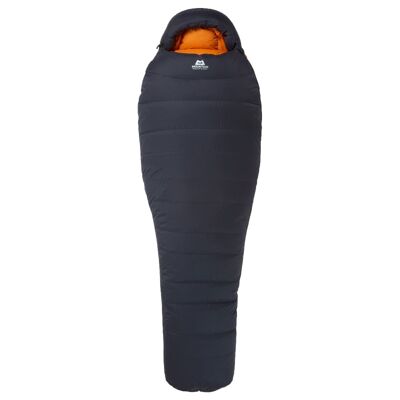
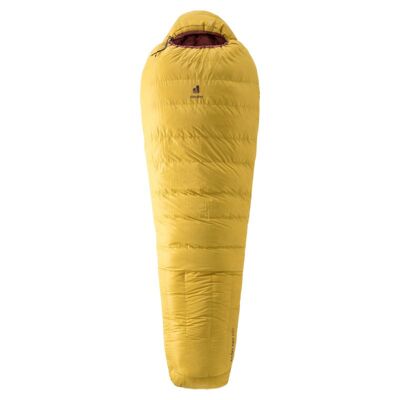
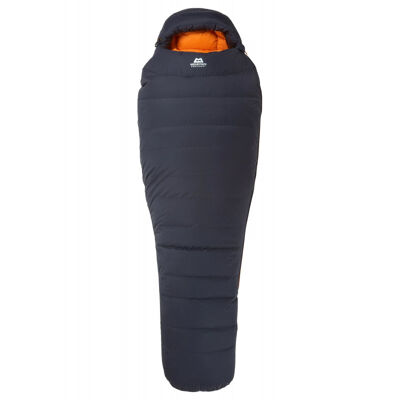
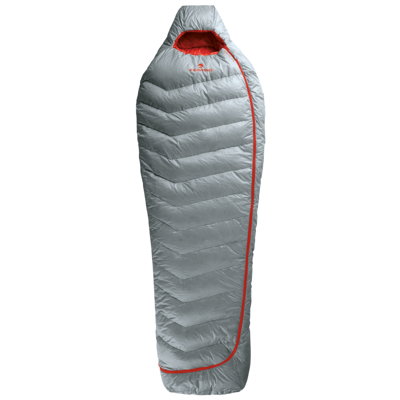
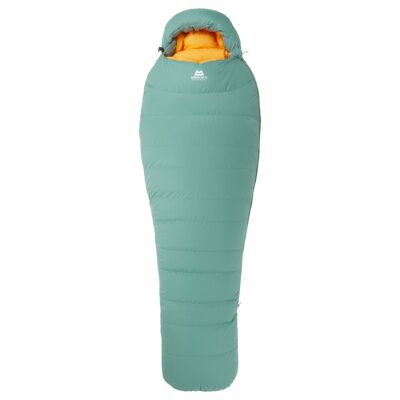
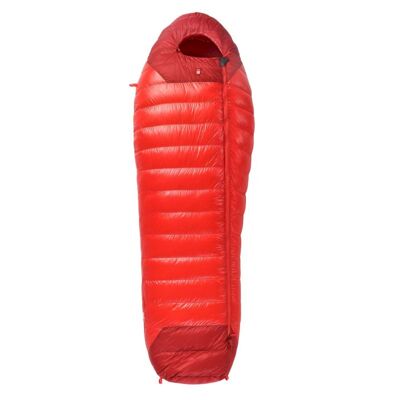
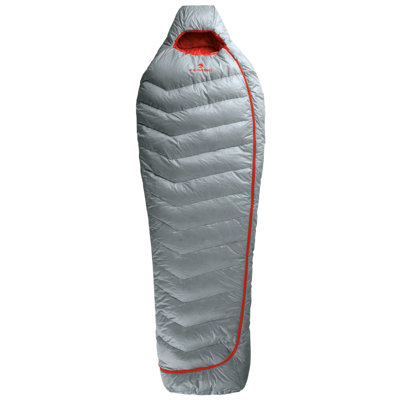
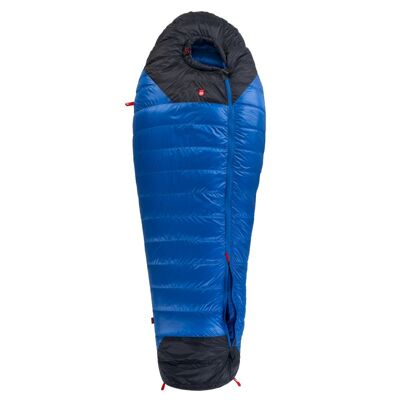
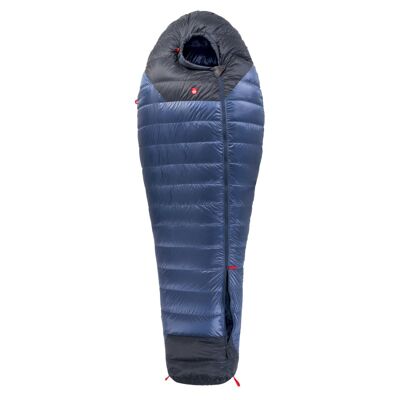
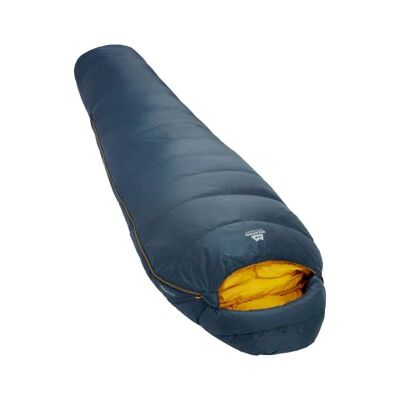
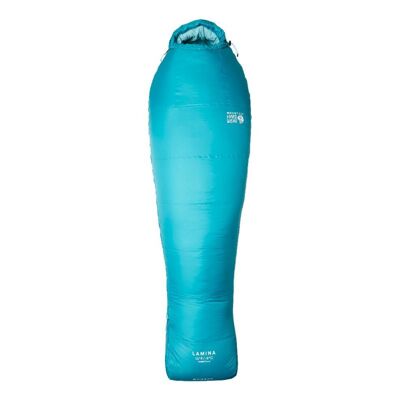
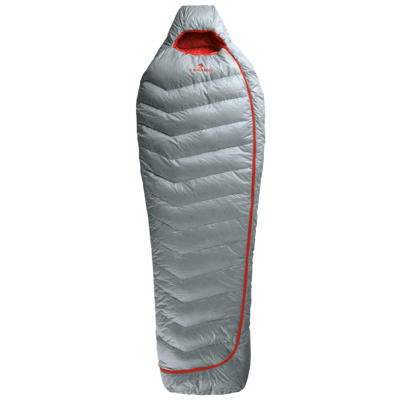
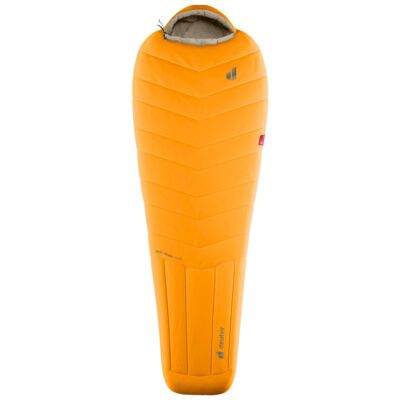
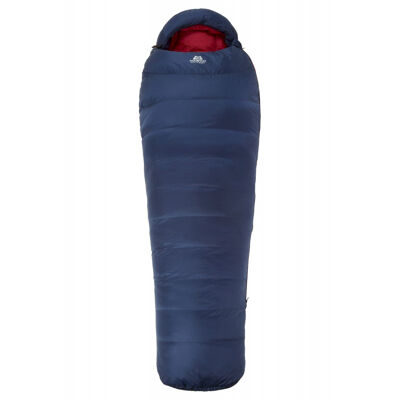
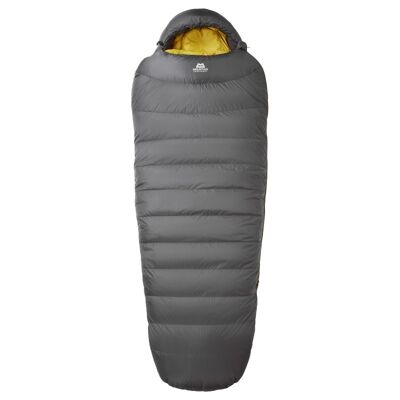
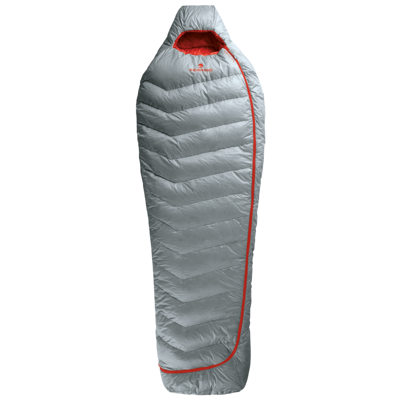
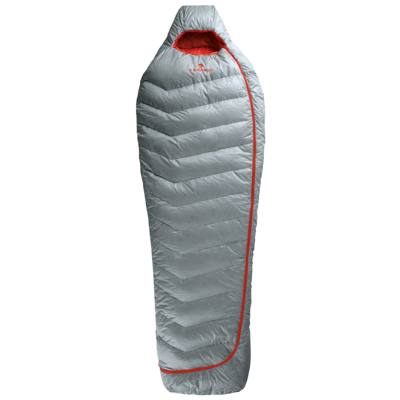
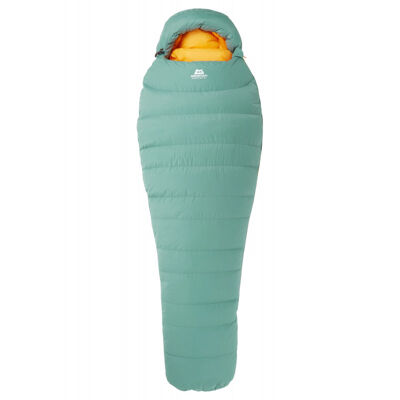
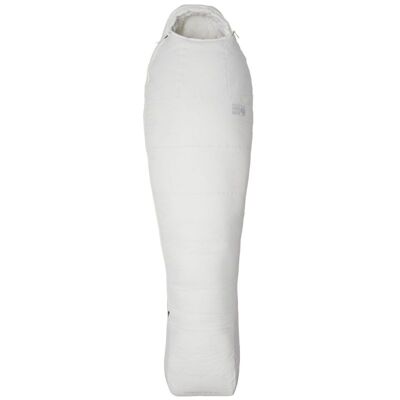
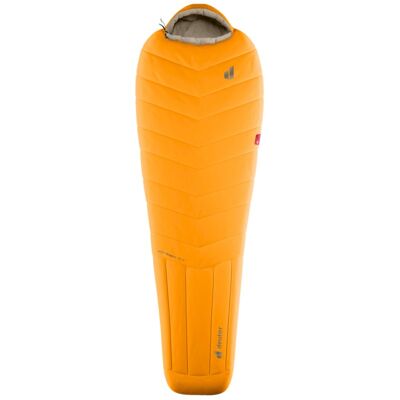
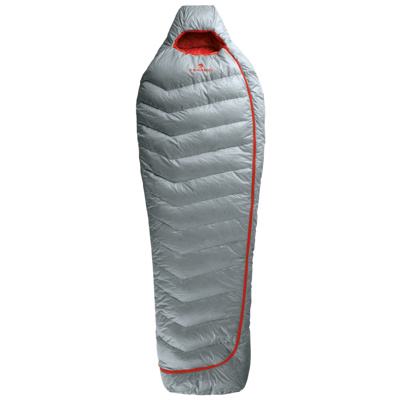
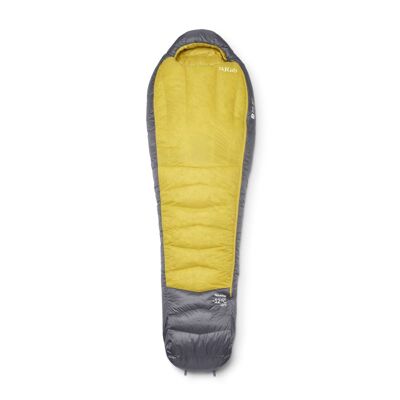
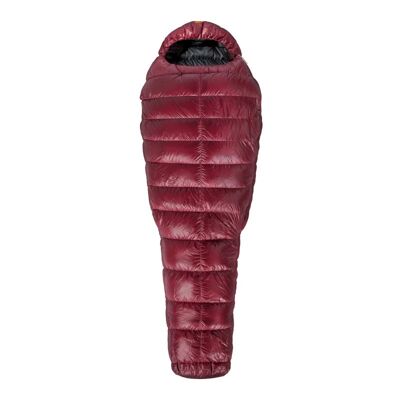
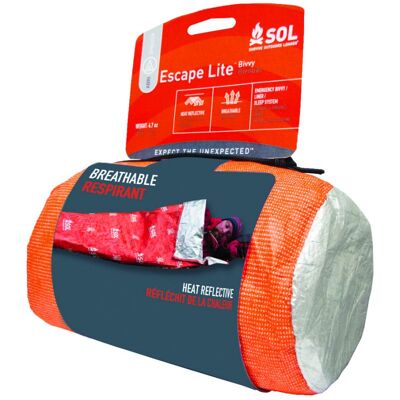
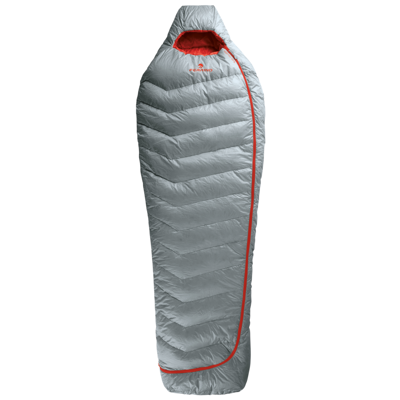
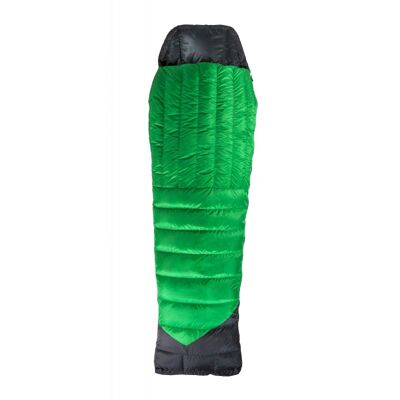
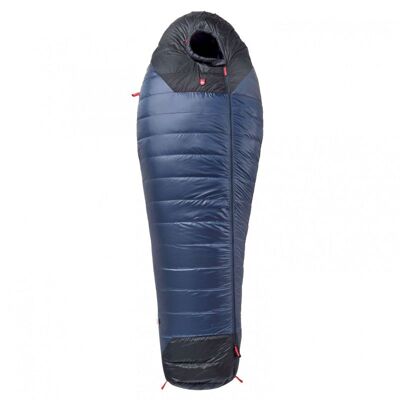
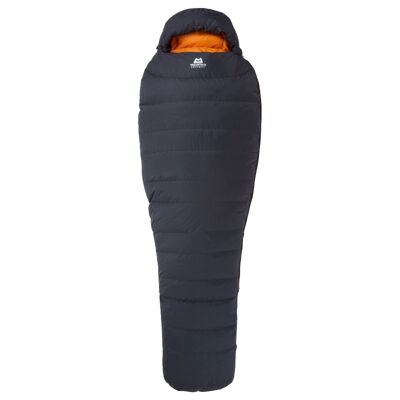
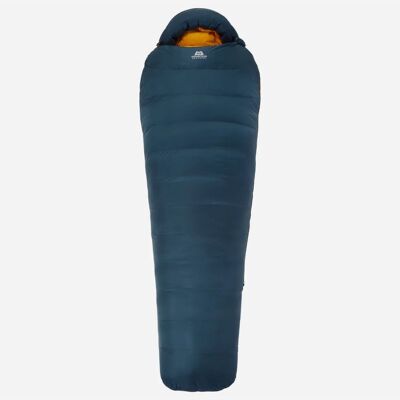
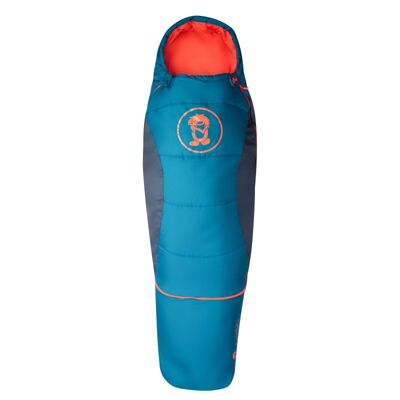
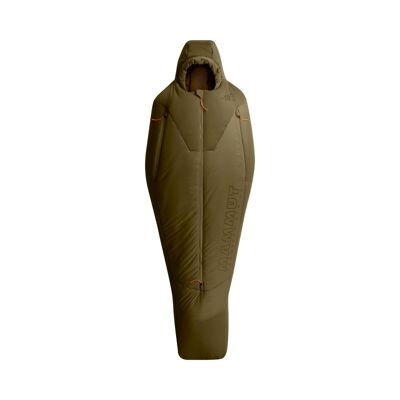
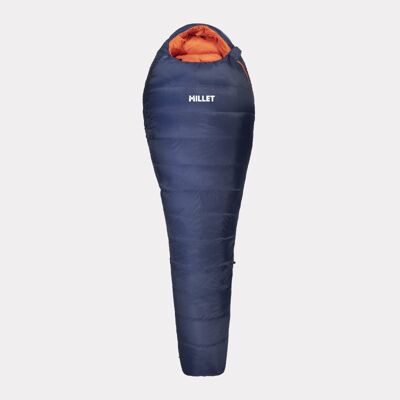
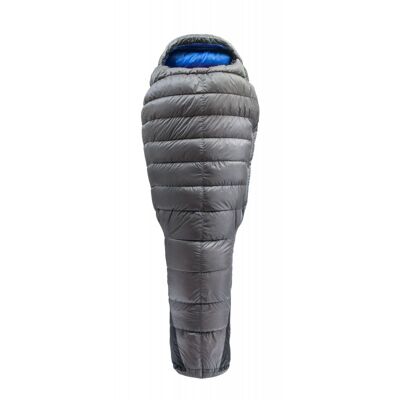
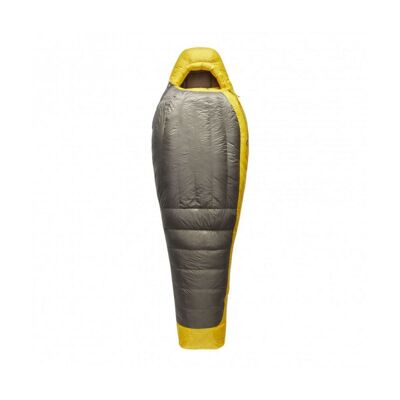
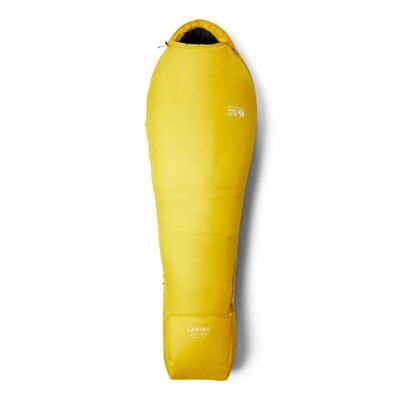
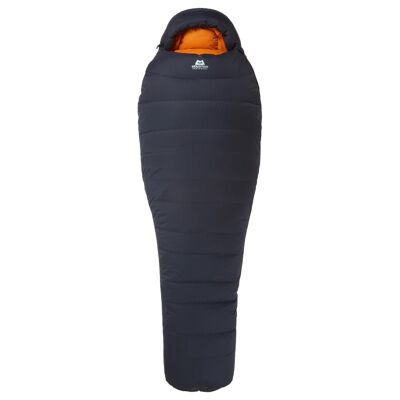
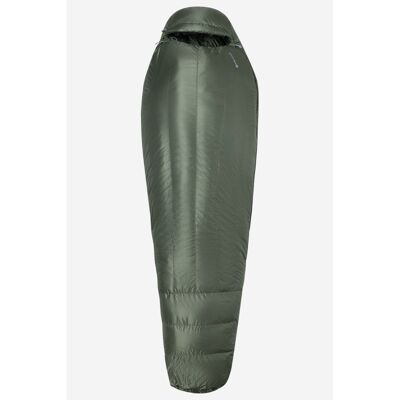
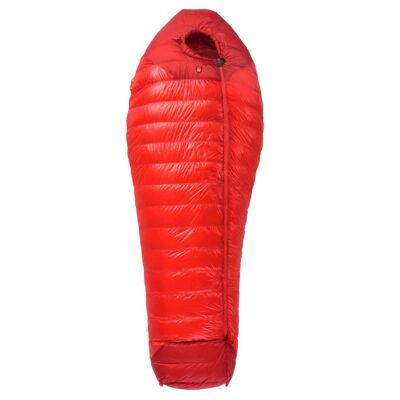
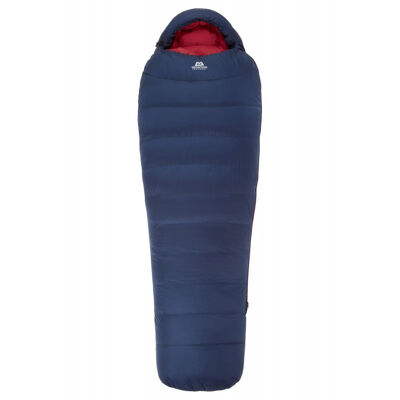
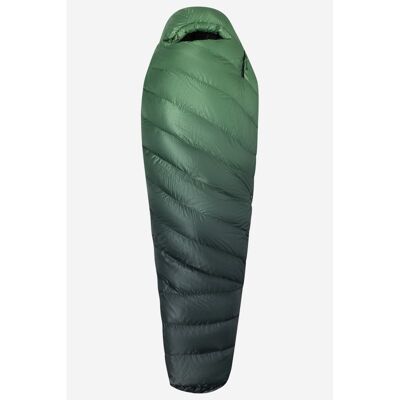
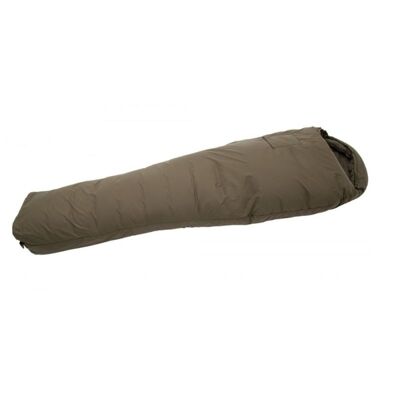
The sleeping bag, an essential for a successful bivouac
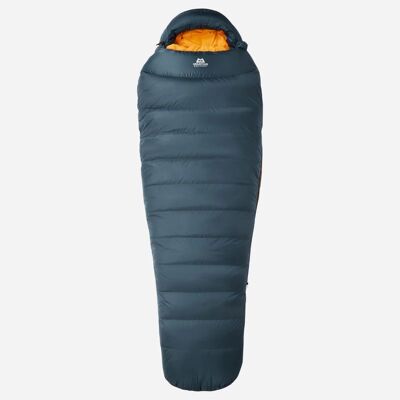
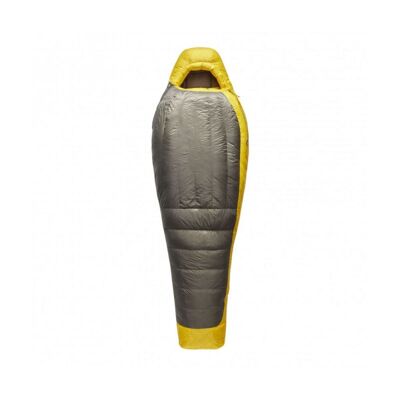
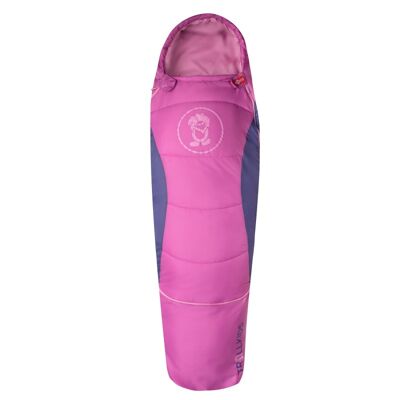
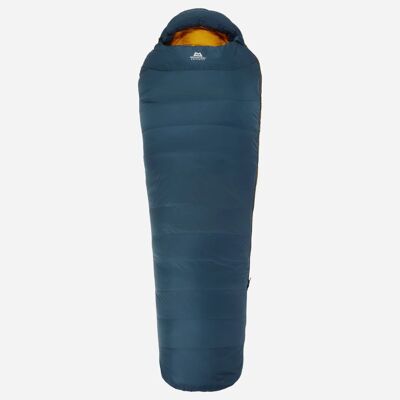
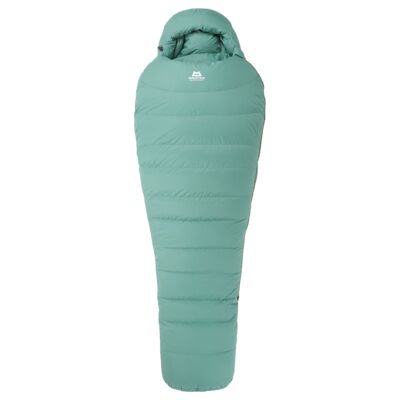
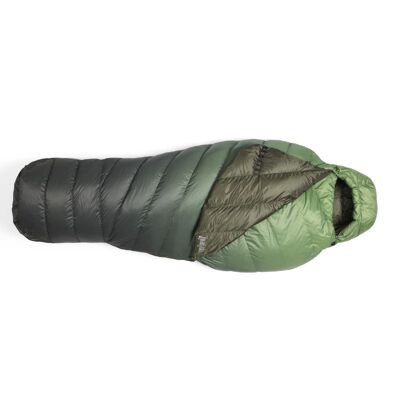
When you go camping, or embark on a hiking trip, a trek, a cycling journey, a survival course, a mountaineering expedition, or even among a multitude of sporting opportunities, such as a ski touring raid, you will need to sleep at some point to recover your strength for the next day. It's impossible to carry your bed! A quality alternative, the sleeping bag, cosy and plush, can accompany you effortlessly on your most adventurous sporting activities. The sleeping bag consists of a main compartment where you place your body and may feature, depending on the models, a removable hood and storage pockets. Natural down, s synthetic filling, loft index... We explain how to choose the right sleeping bag.
How to choose the right sleeping bag
The choice of your camping duvet can quickly become a nightmare if you are not familiar with the main selection criteria for a sleeping bag. If you fail to make your decision with full knowledge of the facts, you may end up with a sleeping bag that is too small, too tight, making you too hot or too cold.
First of all, we explain the difference between the comfort temperature, the limit temperature, and the extreme temperature of your sleeping bag, data that you will find on all models and that will guide your choices. The comfort temperature of a camping duvet is the temperature at which you can sleep peacefully without feeling cold. The limit temperature of your mountain duvet corresponds to the temperature at which you start to feel cold, interrupting your sleep with micro-awakenings due to uncomfortable cold sensations. The extreme temperature of your hiking sleeping bag is the temperature at which your life is at risk. Therefore, it is essential to determine the environment in which you have decided to camp or hike. Is it a night in a refuge, a night under the stars, or a night under a camping tent, at what altitude? The outside temperature will guide your choice of sleeping bag for comfortable nights.
Once the comfort temperature is determined, you will need to estimate the weight of your sleeping bag as well as the remaining space for storage. Depending on these criteria, you will then choose either a natural down or a s synthetic filling. You will also need to assess the necessary size and shape of your camping duvet, whether it is a mummy sleeping bag or a rectangular sleeping bag, to ensure it fits your body shape and can perform its insulating capacity. Generally, standard sleeping bags are suitable for individuals up to 1.8 m tall. Also, ensure that your sleeping bag is equipped with useful accessories for your outing.
Natural down sleeping bag: advantages and disadvantages
You will find several types of natural filling for mountain duvets on the market. The white goose down is the highest quality natural down available in the sleeping bag market, compressible as desired and providing unmatched warmth. The duck down is equally high quality and warm as the goose down. You will find sleeping bags made from pure goose down, goose down mixed with goose feathers, pure duck down, or duck down mixed with duck feathers. Generally, the down/feather ratio in the sleeping bag is 80%/20% or 70%/30%. The natural mountain down offers excellent compressibility, freeing up space in your hiking backpack. However, for allergic individuals, natural down may be inadvisable. Maintenance is also more delicate than with a s synthetic sleeping bag, as it is sensitive to moisture and dries very slowly. It is also recommended to store your natural mountain down uncompressed to maintain its loft.
If you opt for a down sleeping bag, be sure to check the loft index of the sleeping bag, measured in cuin. This indicates the resistance to pressure of your natural down under a defined weight. The cuin thus gives you an indication of the filling capacity of the natural down. A very high-quality mountain down has a cuin of 800.
Synthetic filling sleeping bag: advantages and disadvantages
The synthetic filling sleeping bag is particularly suitable for spending nights in a refuge or under a camping tent. The sleeping bag with s synthetic filling offers good resistance to cold and humidity but remains less compressible and heavier. Its maintenance in a washing machine is very easy, and it dries quickly without damaging the filling. Less expensive than a natural mountain duvet, the synthetic sleeping bag offers good value for money.
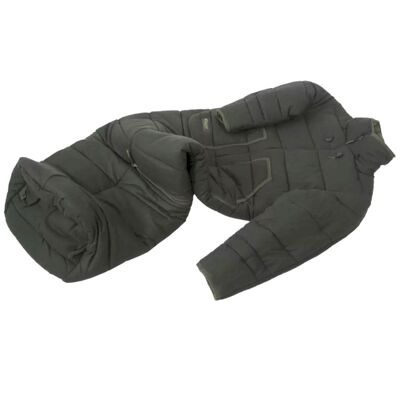
The extreme cold duvet
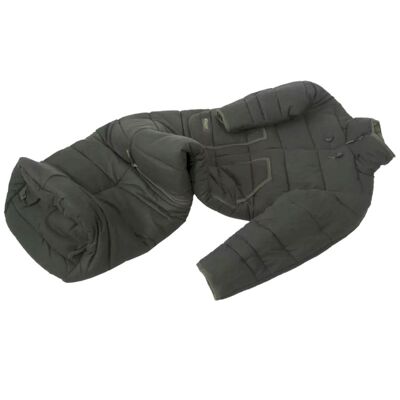
The extreme cold duvet or extreme cold sleeping bag is perfectly suited for winter sports activities, such as ski touring, winter mountaineering, off-piste skiing, but also for high-altitude activities, such as treks or mountaineering courses. The extreme cold duvet is perfectly adapted to extreme weather conditions, protecting you against temperatures as low as -50°C.
The mummy sleeping bag
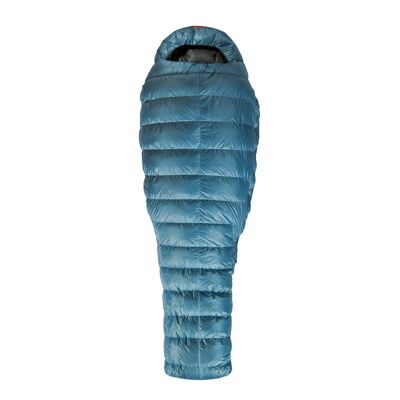
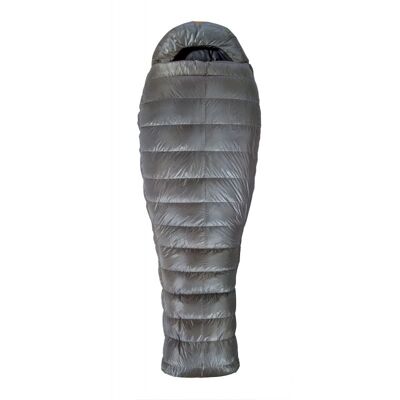
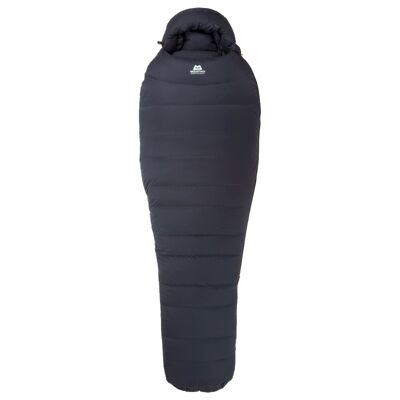
The most common shape in sleeping bag models, the mummy sleeping bag, also known as the mummy bag, is suitable for those who enjoy confined spaces. Be aware that the larger the air entry in your sleeping bag, the less effective the thermal insulation will be. The mummy sleeping bag therefore perfectly conforms to the shape of your body. The mummy sleeping bag will be wider at the shoulders and gradually taper at the hips and feet. The air entry is thus limited, and the thermal insulation capacity is optimal.
The rectangular sleeping bag
Another common shape, ideal for those who like to move around at night, the rectangular sleeping bag is, as its name suggests, rectangular in shape, being as wide at the shoulders as at the feet. Simple or double, the rectangular sleeping bag is versatile and adapts, unlike the mummy bag, to all types of situations.
The lightweight sleeping bag
The lightweight sleeping bag or ultra-light sleeping bag is, as its name suggests, very light. A lightweight sleeping bag is considered to weigh no more than 1,000 g. You will find various models of lightweight sleeping bags, with comfort temperatures ranging from 15° to -5°C. Although less comfortable than other camping duvets, the ultra-light sleeping bag is a compact sleeping bag and an ideal choice for summer hikes when temperatures are mild.
The sleeping bag liner or sleeping bag sheet
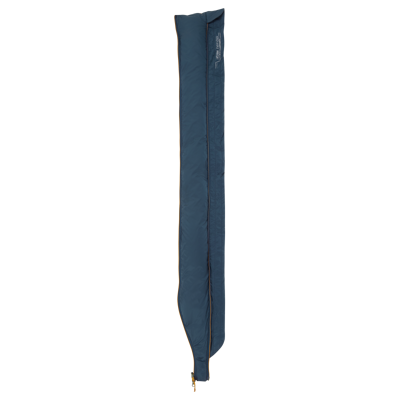
In addition to the sleeping bag or simply to replace it, the sleeping bag liner or sleeping bag sheet is widely used by campers and hikers. The sleeping bag liner is an additional bag that you slip into before getting into your sleeping bag. In a refuge, it is used alone for hygiene reasons compared to the provided blankets. The sleeping bag sheet allows you, from a hygiene perspective, to dirty your sleeping bag less and thus, consequently, to preserve its quality for a longer time (less frequent washing). When temperatures are low, if you are particularly sensitive to the cold, the sleeping bag liner also provides a few extra degrees of warmth to the sleeping bag. You can find silk sleeping bag liners, cotton sleeping bag liners, polar sleeping bag liners, and microfiber sleeping bag liners.
Millet sleeping bags
The Millet sleeping bags are high-quality sleeping bags with meticulous filling. The Millet sleeping bags are particularly recommended for high-altitude hikes, ski raids, or mountaineering courses. In short, all places where the environment is icy and where a warm mountain duvet is needed. The Millet Trilogy Summit sleeping bag, made of natural goose down, allows you to sleep comfortably in temperatures around -11°C. Millet offers many extreme cold sleeping bags.