
Winter Sleeping Bags
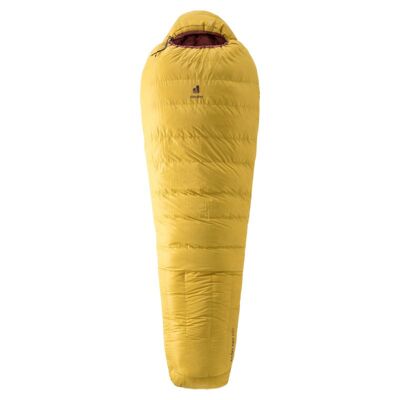
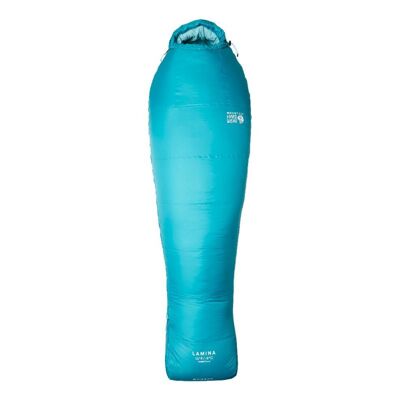
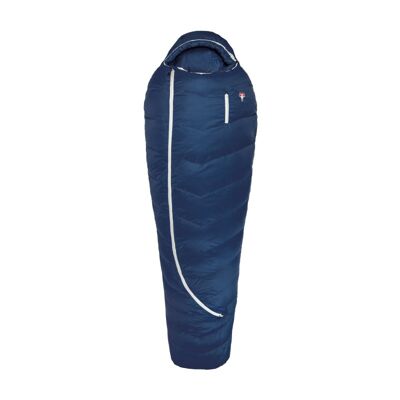
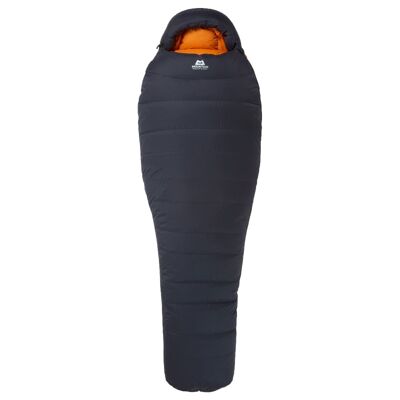
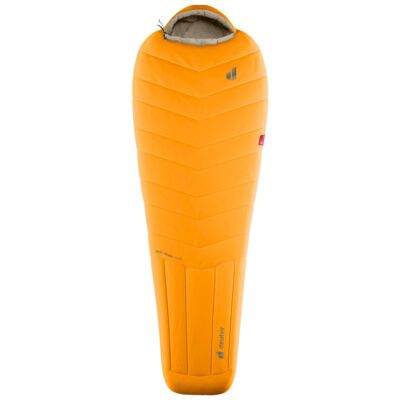
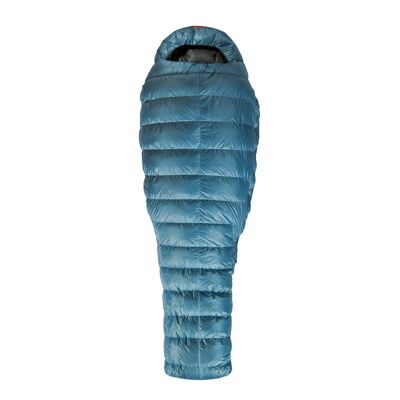
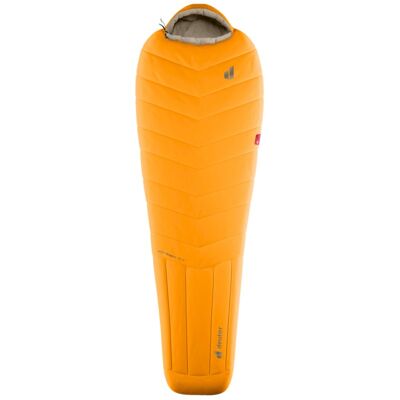
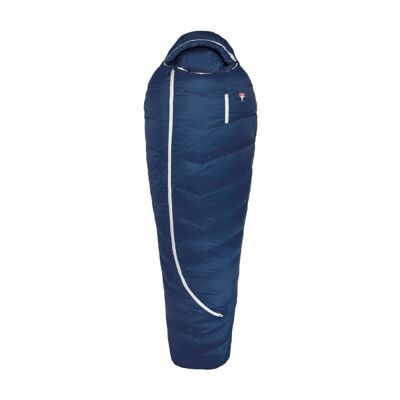
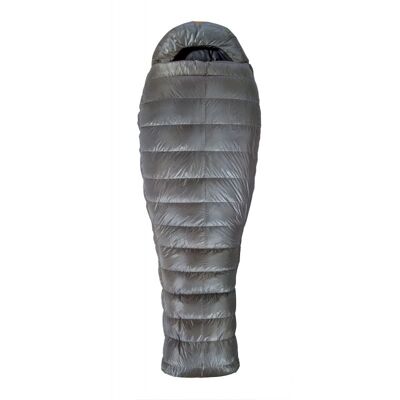
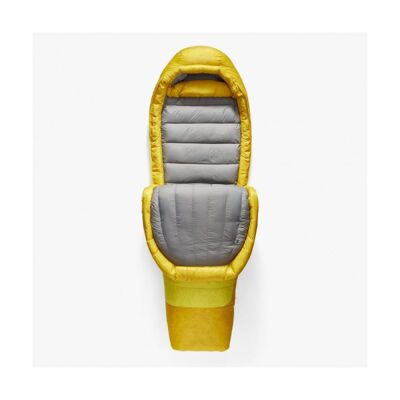
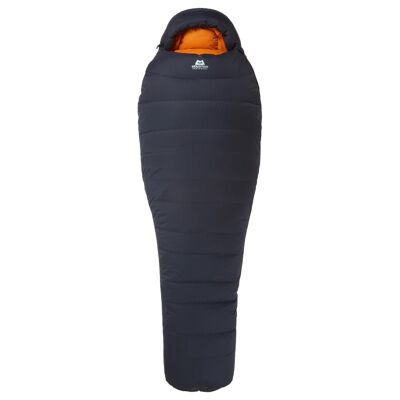
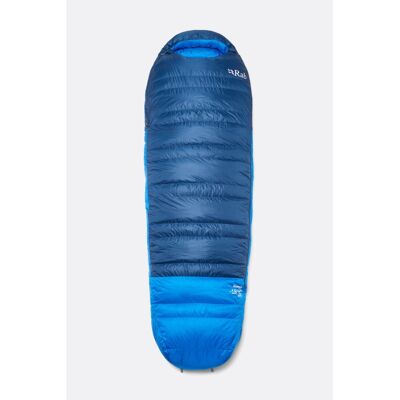
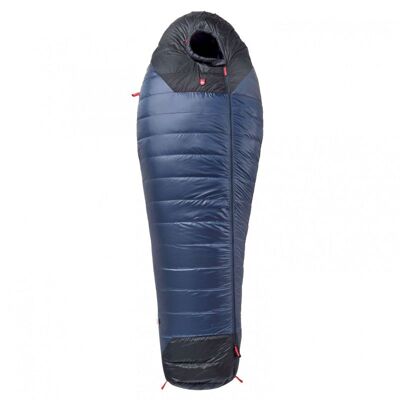
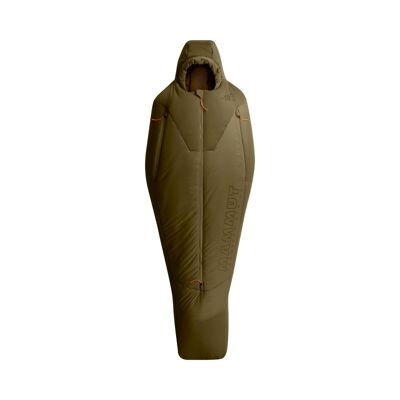
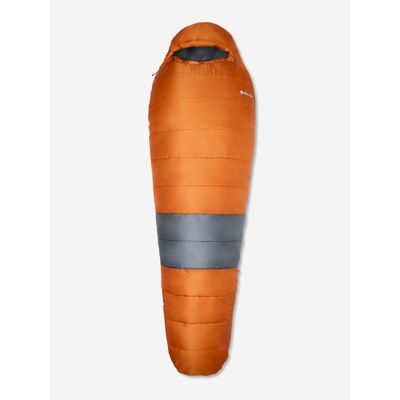
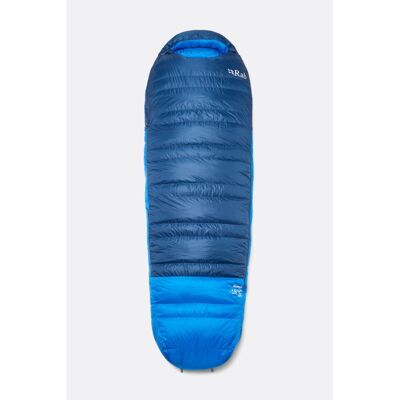
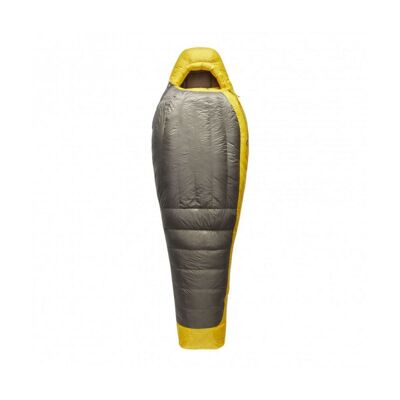
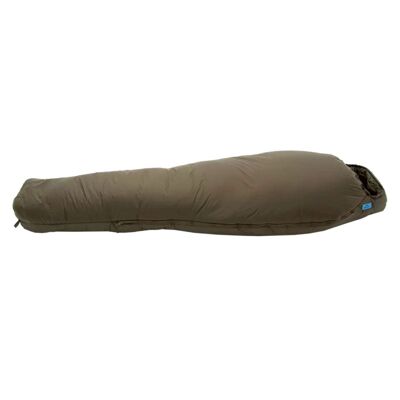
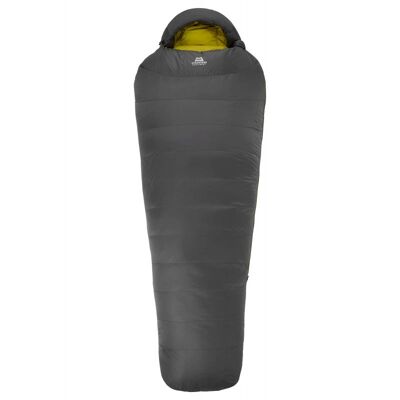
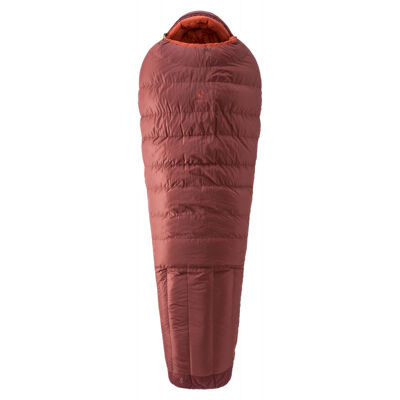
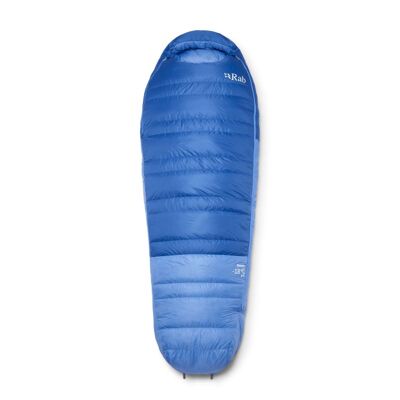
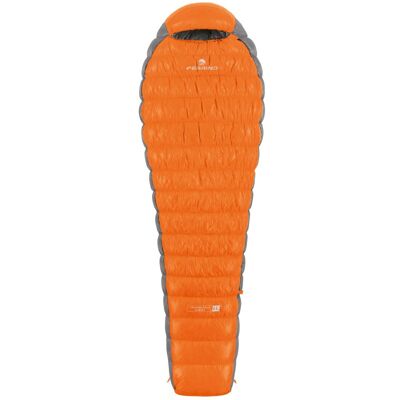
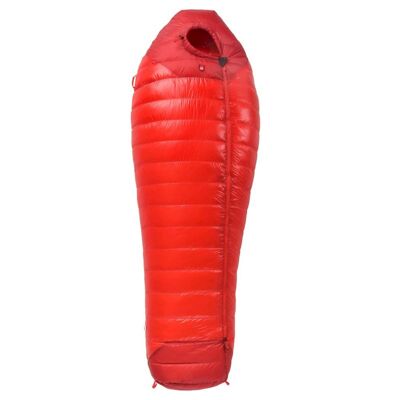
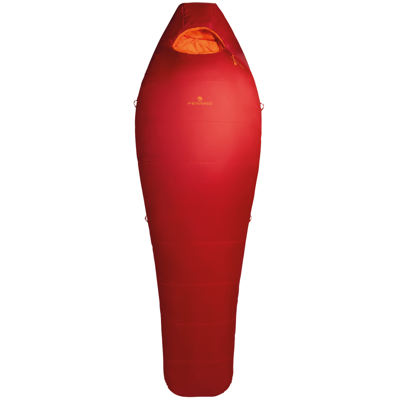
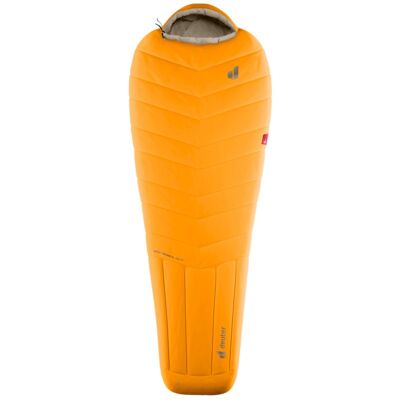
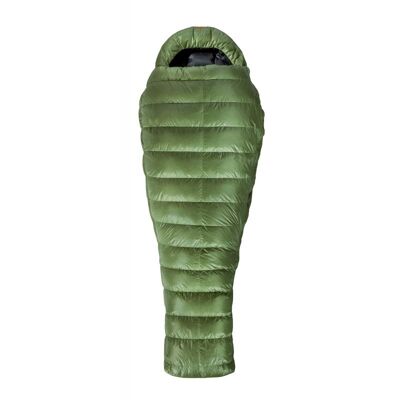
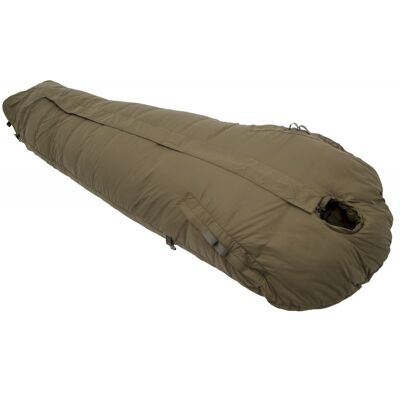
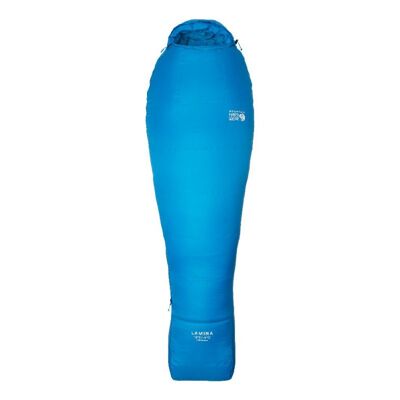
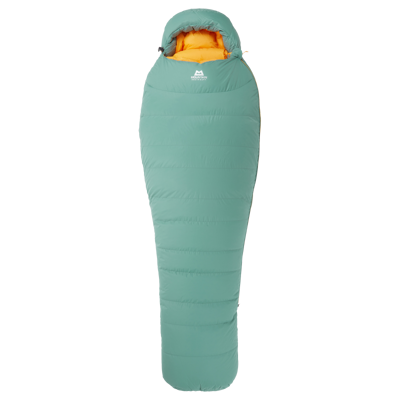
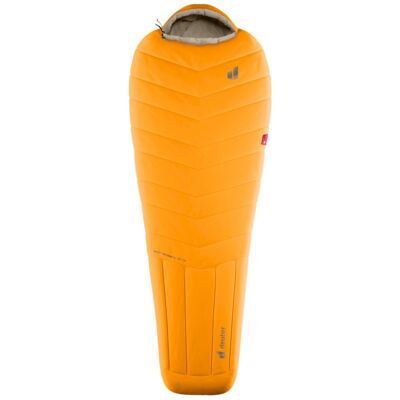
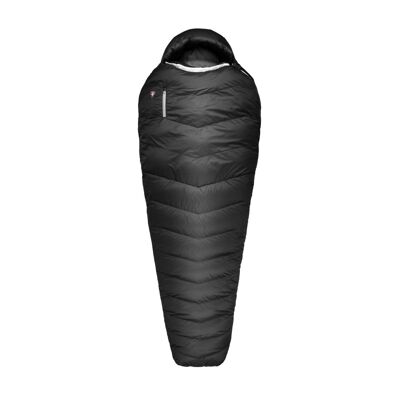
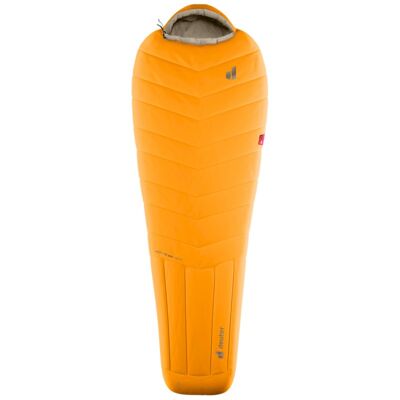
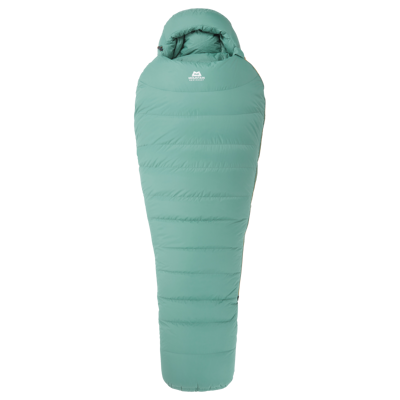
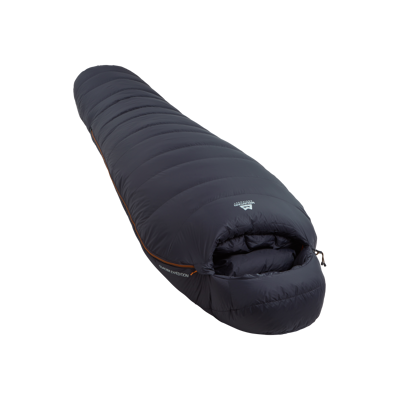
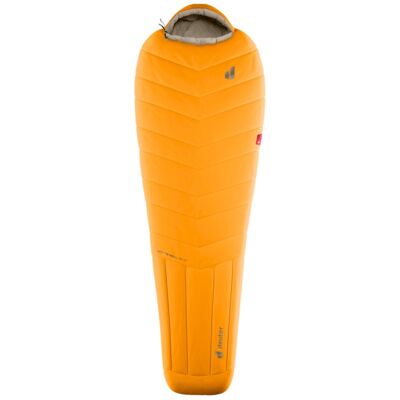
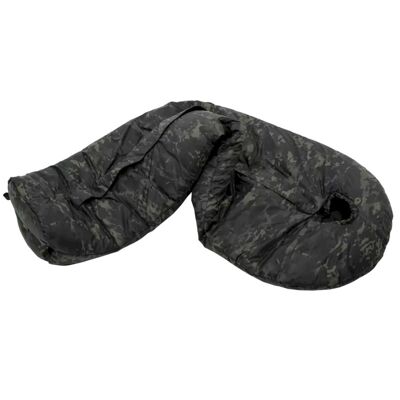
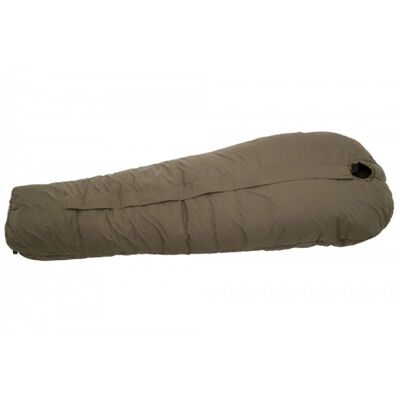
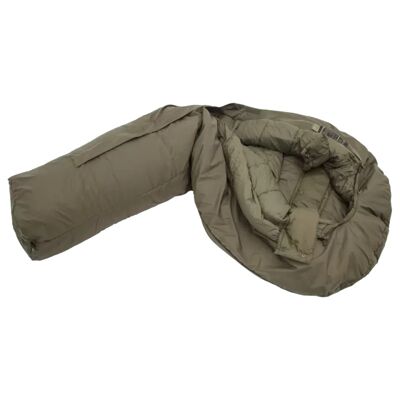
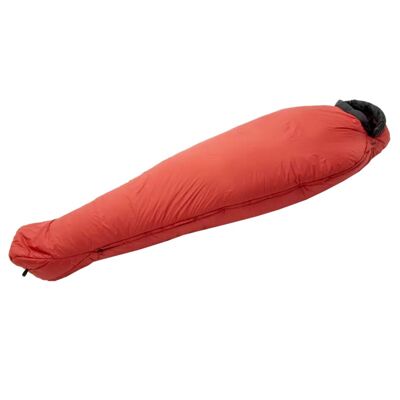
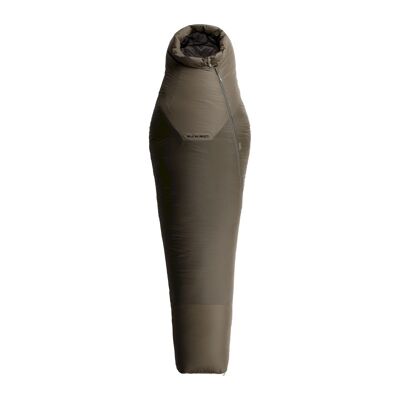
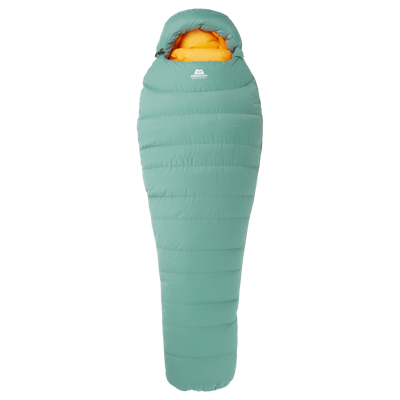
Winter Sleeping Bags: A Guarantee of Warmth During Your Expeditions
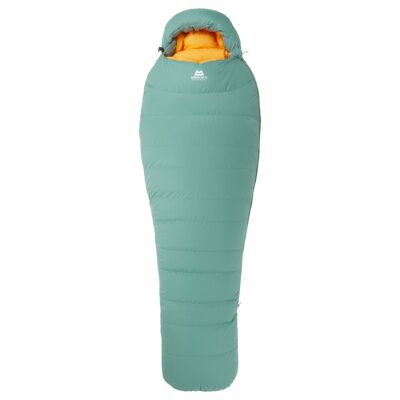
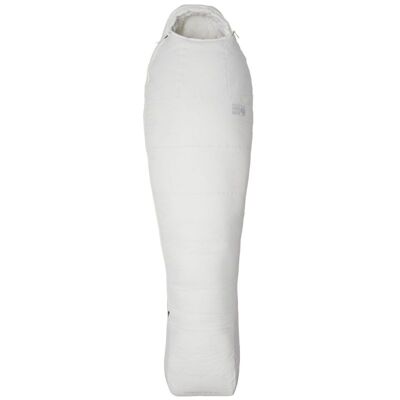
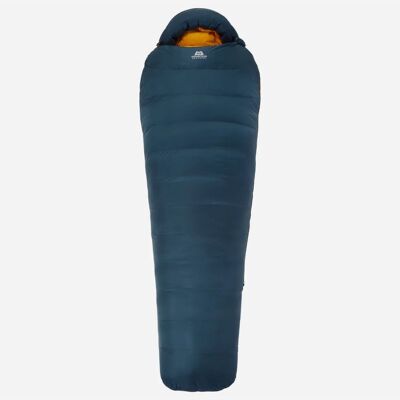
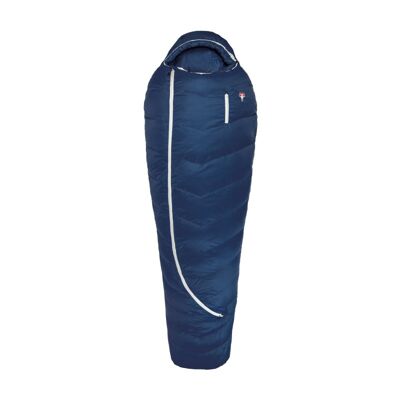
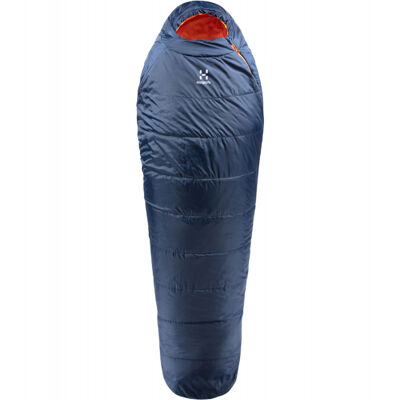
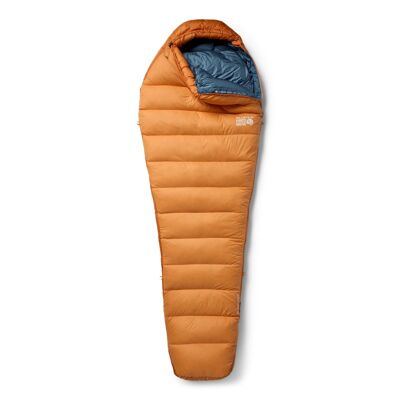
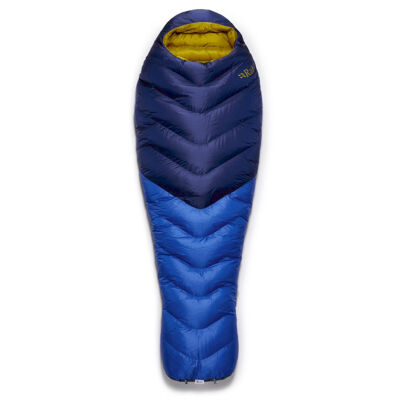
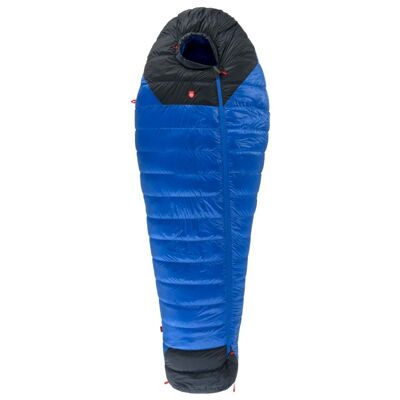
When temperatures are low, whether at medium or high altitude, sleeping in a bivouac, in a refuge, or simply camping can quickly become a nightmare if your sleeping bag is not up to the task. Frozen toes, a face contorted by the cold, shivers—it's impossible to get a good night's restorative sleep, often necessary to continue your adventure with a light spirit and a strong mind. To effectively combat the cold, equip yourself with a winter sleeping bag, the ideal barrier against low temperatures. The winter sleeping bag, which can be filled with natural goose or duck down or synthetic down, perfectly meets the needs of campers, hikers, and climbers facing the most extreme weather conditions.
Whether you're planning a polar ski trip in Greenland or simply embarking on a major trek at high altitude like the Annapurna Circuit, it's important to equip yourself with a winter sleeping bag, alongside an inflatable mat or a camping tent, to recover from the physical fatigue of the day while staying warm.
Winter Sleeping Bags: What Are They?
When comparing sleeping bags, you will consistently see the terms “comfort temperature”, “limit temperature”, and “extreme temperature”. The comfort temperature of a sleeping bag refers to the temperature at which a camper can sleep comfortably, as if they were in their cozy bed. The limit temperature is the temperature at which the camper or hiker may start to feel a chill. Finally, the extreme temperature, as the name suggests, is the temperature at which the survival of the camper or hiker is compromised. Everyone perceives the cold differently. For some, extreme cold refers to temperatures close to 0°C, while for others, it means an environment with temperatures around -30°C. Perceptions also vary based on the individual's gender (male or female). It is estimated that the limit temperature difference between a man and a woman is between 5°C and 6°C. A winter sleeping bag, unlike a winter sleeping bag, generally offers a comfort temperature below -6°C and can go down to -50°C! It is particularly suitable if you are bivouacking in the Alps, such as in the Mercantour, Vanoise, or Écrins, or if you are undertaking a trek or ski trip in high-altitude countries like Nepal, or in Nordic countries like Norway or Iceland. Between warmth and lightness, you no longer have to choose! The winter sleeping bag combines optimal thermal insulation without adding weight to your pack, thanks to high-quality filling.
Sleeping Bag and Liner for Extra Warmth
If the temperatures are really very low, it is advisable to pair your winter sleeping bag with a sleeping bag liner made of silk, cotton, or fleece. Your sleeping bag liner will help you gain a few extra degrees in your winter sleeping bag, which is very helpful when it becomes impossible to sleep due to frozen extremities. The fleece liner is particularly a wise choice.
Winter Sleeping Bags: Natural Down or Synthetic Filling?
Natural insulation or synthetic insulation, which to choose? On Hardloop.co.uk, you can find winter sleeping bags with natural down (goose or duck) as well as those with synthetic filling. Both types of winter down sleeping bags are equivalent, although natural down tends to be slightly warmer than synthetic fiber filling. Note that natural down provides the best warmth-to-weight ratio as it is highly compressible, especially goose down. However, be careful not to leave your winter sleeping bag in direct contact with a moisture source, as this could damage the quality of the filling. Remember to insulate your body and your winter sleeping bag with an insulating camping inflatable mat, which will allow you to enjoy your nights in bivouac to the fullest.