
Tents for Camping & Backpacking
- Camping (2532)
- Tents (388)
- 1 Man Tents (38)
- 2 Man Tents (96)
- 3 Man Tents (58)
- 4 Man Tents (21)
- 6+ Man Tents (4)
- Tunnel Tents (45)
- Dome Tents (153)
- Igloo Tents (14)
- Ligthweigtht Tents (50)
- Compact Tents (20)
- Backpacking Tents (190)
- Tent Stakes (14)
- Camping shelters & tarps (31)
- Tent Footprints & Groundsheets (96)
- Tent Accessories (12)
- Replacement Tent Poles (5)
- Tents for Cycle Touring (19)
- Roof tents (2)
- Sleeping systems (995)
- Camping Furniture (67)
- Camping Backpacks (18)
- Camping kitchen (613)
- Camping Accessories (292)
- Tents (388)
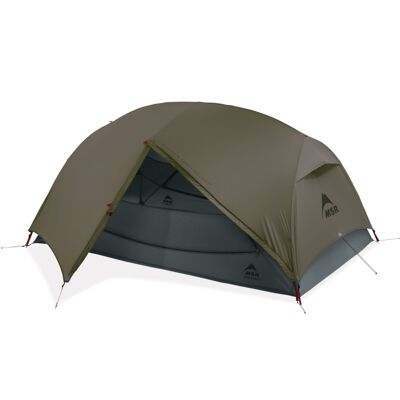
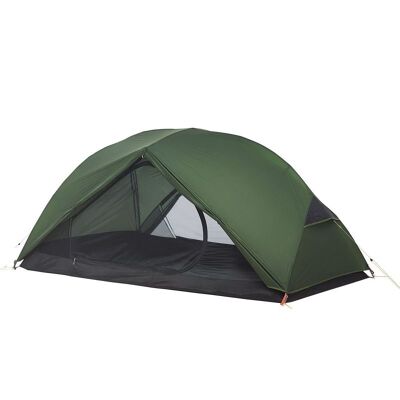
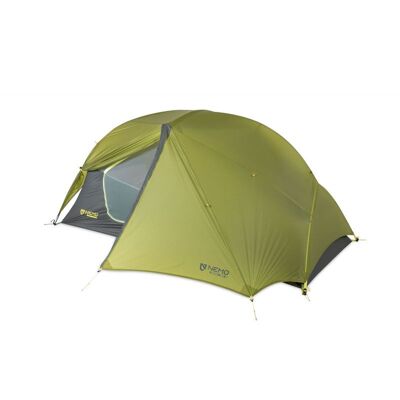
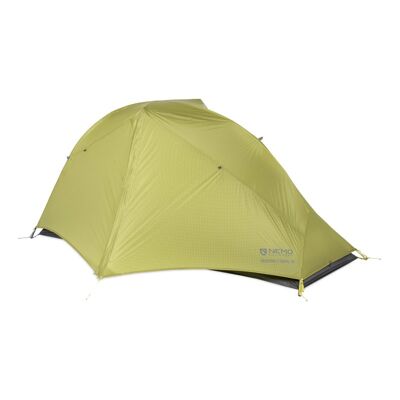
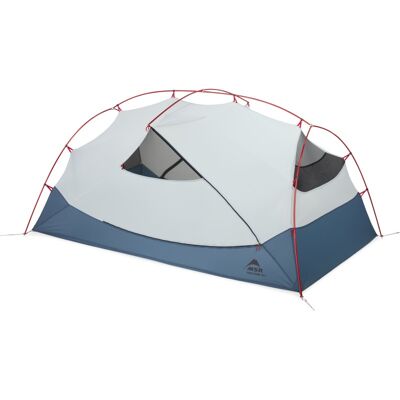
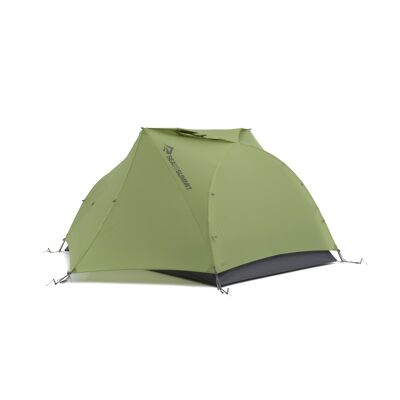
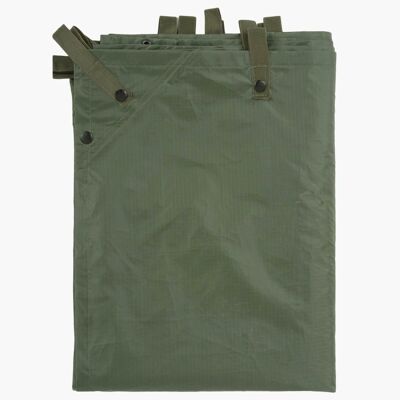
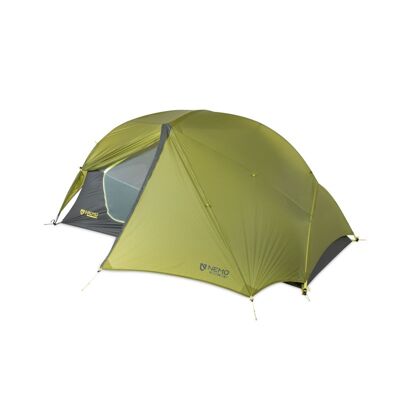
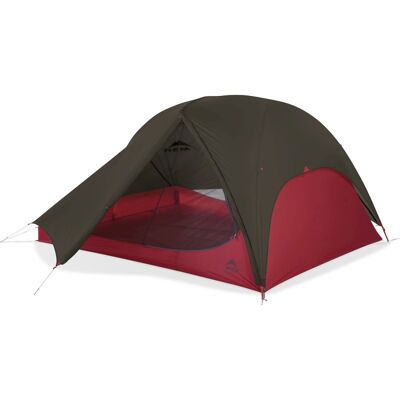
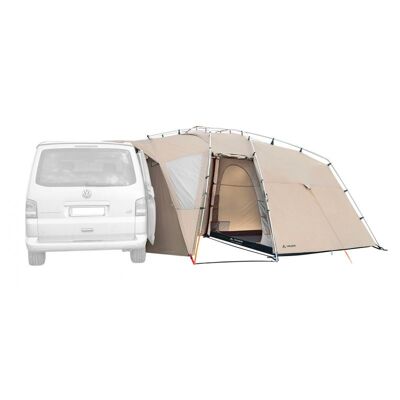
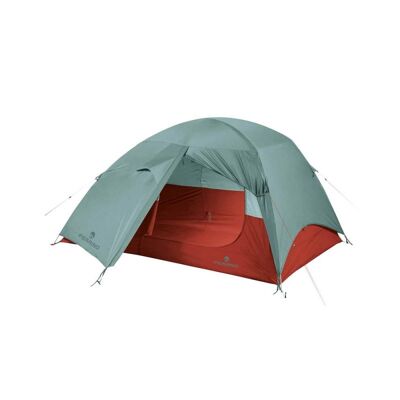
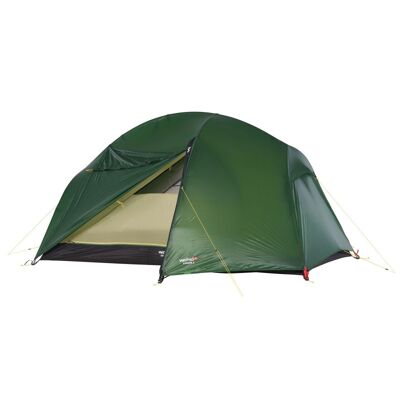
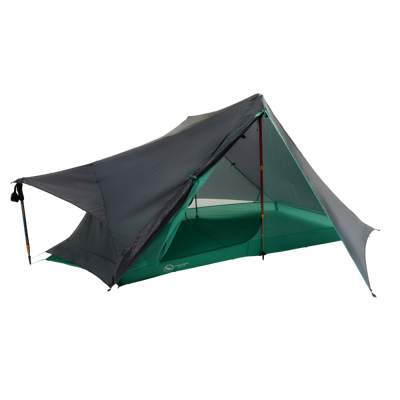
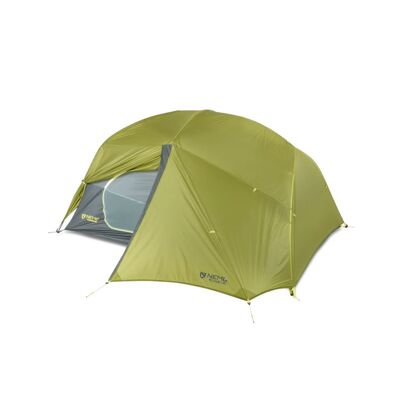
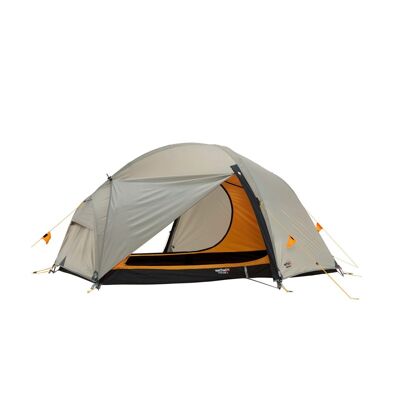
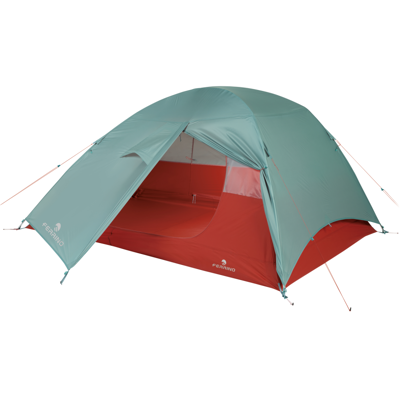
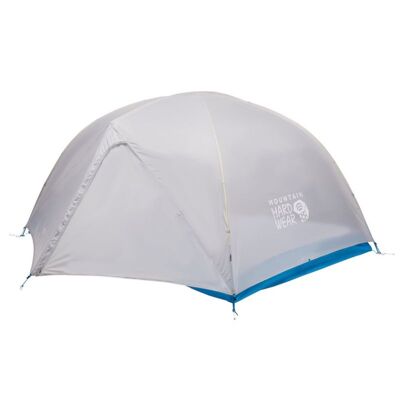
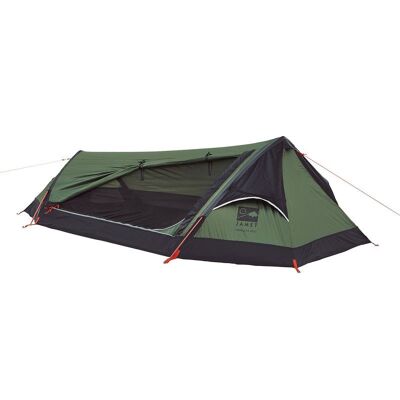
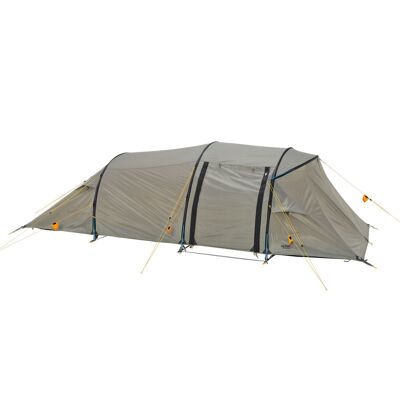
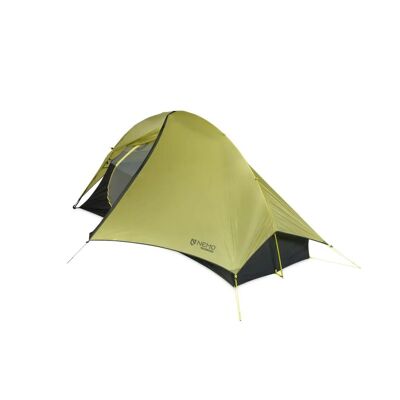
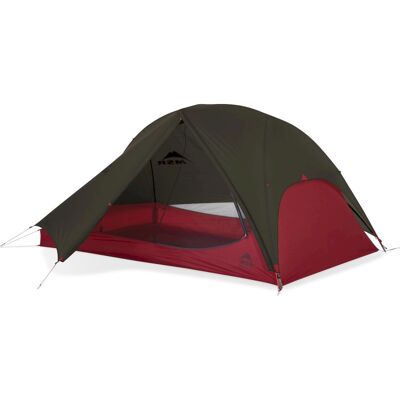
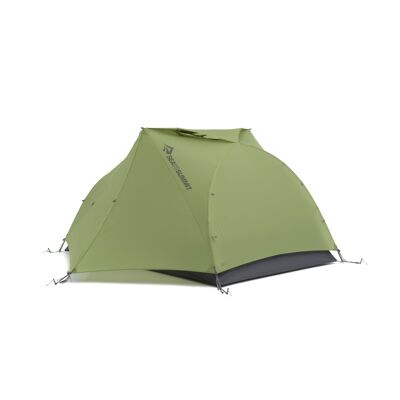
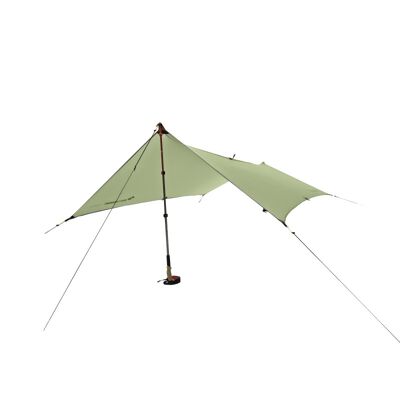
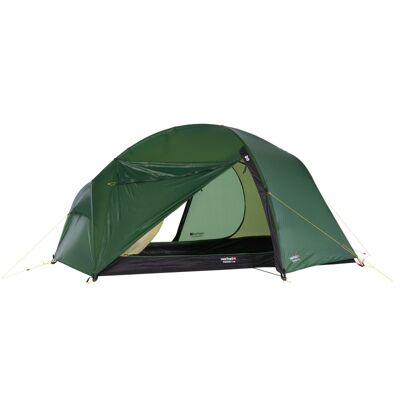
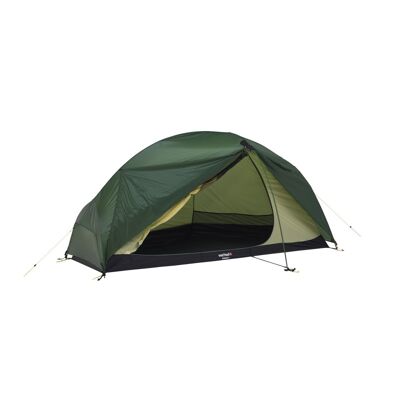
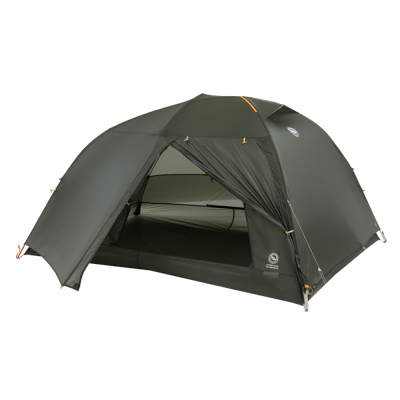
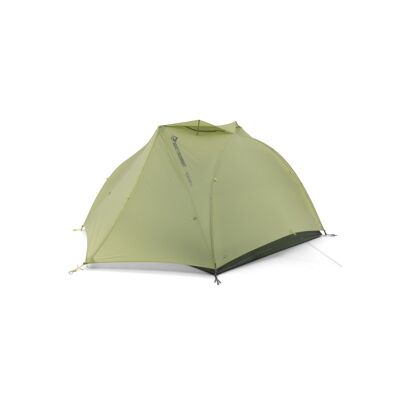
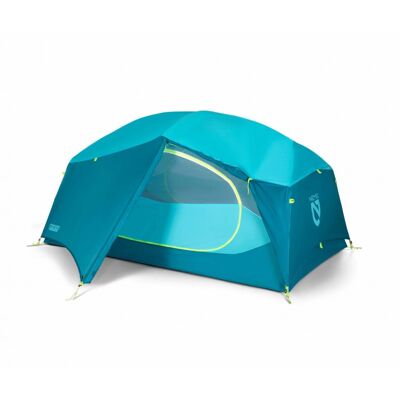
The Hiking Tent or Camping Tent, for What Purpose?
You are about to go on holiday, in the great outdoors or camping but you can't take your cozy little bed with you. However, fatigue is one of the main causes of failure, and a restorative sleep is essential to recover from your long days of hiking, skiing, cycling, or filled with any other outdoor activities. The camping tent or backpacking tent will serve as your home for your next vacation in nature, so choose wisely! Too hot, too cold, not enough space to sleep, condensation, complicated setup... we all know these inconveniences suffered while camping or bivouacking due to a poor choice of backpacking tent. Choosing the right tent for your adventure ensures a comfortable sleep and restorative rest!
How to Choose Your Hiking Tent?
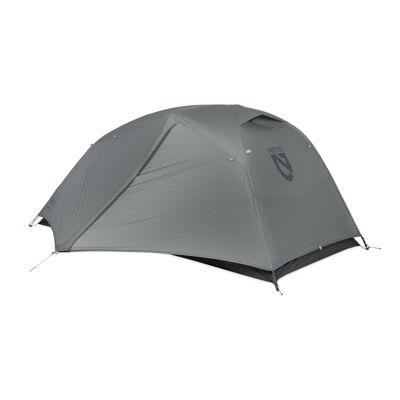
2 Person Tent, 3 Person Tent, 3 Season Tent or 4 Season Tent? How to choose your trekking tent? First of all, when choosing your backpacking tent, the main criterion to consider is the weight of your camping tent. Indeed, if you plan to sleep in bivouac during your Tour of Mont Blanc independently, carrying all your camping gear on your back, or if you plan to drive to a campsite, the weight makes all the difference. In the first case, you should opt for a lightweight and compact bivouac tent. In the second, a more spacious and heavier tent will provide you with certain comfort. However, make sure to choose quality equipment instead of having an ultra-light tent. Indeed, lightweight tents do not guarantee the same construction strength as slightly heavier but robust bivouac tents. Remember that in the mountains, you will face unpredictable weather conditions and your backpacking tent will be battered by wind, rain, snow, or even hail.
Next comes the choice of the sleeping capacity of your trekking tent. There are 1 person tents, 2 person tents, 3 person tents, 4 person tents, and family tents available on the market. Which one to choose? If you are hiking as a duo, opting for a 2 person tent seems obvious for the limited weight and planned space. However, you will quickly realize, especially if you travel with larger individuals, that you will be cramped in a 2 person tent for two people. If your trekking tent does not have a vestibule to protect your bag from the elements outside the tent, the living space will be even more limited, and your night's sleep may not be restorative. Therefore, prefer a 3 person tent for two people if you choose the option without a vestibule.
Another important criterion: the setup time of your hiking tent. After a long day of walking, it is not particularly encouraging to have to spend an additional two hours struggling to set up your tent, especially if the weather is not on your side. We recommend that you practice setting up your trekking tent at home to develop the setup reflexes and avoid asking yourself many questions on-site. The ease of setup, when you buy your tent, is therefore a false debate. The art of setup lies in practice! Once your tent is set up in good conditions, there is no reason not to know how to set it up again in real conditions.
Then, the shape of your bivouac tent is very important. You will find on Hardloop.fr, dome tents (or igloo tents), tunnel tents, tipi tents, or geodesic tents to accompany you on all your sporting adventures. If you want to buy a quality bivouac tent that is wind-resistant and weatherproof, prefer geodesic tents or tunnel tents. The latter offer a spacious and pleasant living area while being very robust. Tipi tents are ideal for family camping or with friends. If you want to opt for ease, dome tents are very easy to set up as they consist of two crossing poles that reach the corners.
The colour of your backpacking tent is crucial for the brightness inside the living area. Prefer backpacking tents in light colours, as in case of a cloudy sky or rain, a backpacking tent in a light colour will let in maximum brightness. However, note that depending on the geographical area you are in, such as in the Scandinavian countries for example, it is better to opt for a backpacking tent in dark colours, allowing you to sleep peacefully during the summer.
Some camping tents are equipped with a double roof and a vestibule, elements that can also influence the space of your backpacking tent. The presence of a vestibule is interesting for storing heavy and bulky personal belongings, such as your hiking backpack or shoes, dry. It also allows you to cook dry. The double roof helps to insulate the outside of the tent from the elements.
The inner chamber and the integrated groundsheet should be of good quality. The chamber is crucial for managing the breathability of the bivouac tent and insulation. It is made of lightweight materials. The groundsheet, on the other hand, is made of durable material and insulates from the ground. Remember to bring an inflatable mattress for added comfort!
Made of aluminium or carbon, the choice of material for the poles of your backpacking tent is also important as they directly affect the overall weight of the system. Carbon poles are much lighter than aluminium poles but must be handled with great care as they are very fragile. Aluminium poles, on the other hand, are very durable and recommended in case of bivouac in windy conditions.
The tent stakes are also worth testing or even changing from the original system. Depending on the type of terrain in which you pitch your tent and the weather conditions, not all tent pegs are created equal.
Finally, the seams, accessories, and ventilation of your trekking tent are the last selection criteria to consider. The seams and finishes are the first weaknesses of hiking tents. Welded seams are the most effective as they allow water to slide off without seeping in. A tent with accessories (inner pockets, cords for zips...) can be pleasant for handling and daily use. Finally, the ventilation ensures that your living area remains breathable at all times. This aspect should not be overlooked, especially for bivouacs at high altitude, when oxygen becomes scarce.
Tunnel Tent
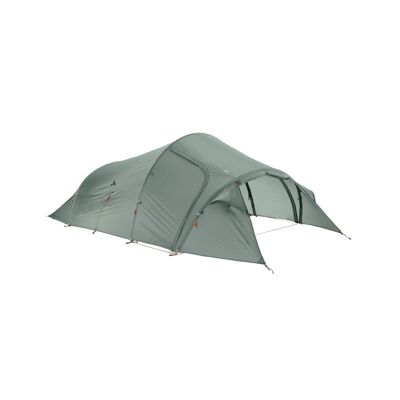
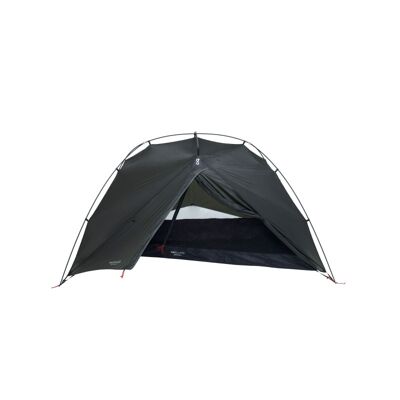
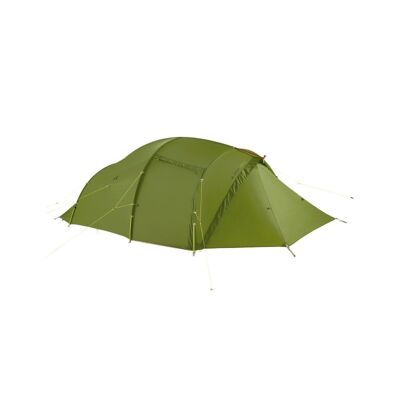
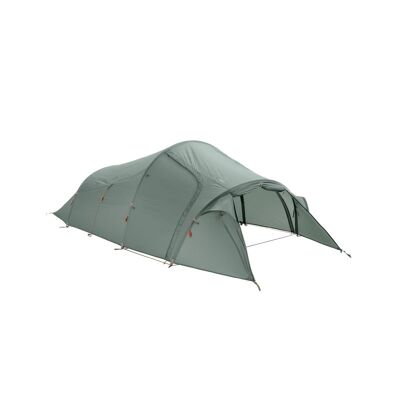
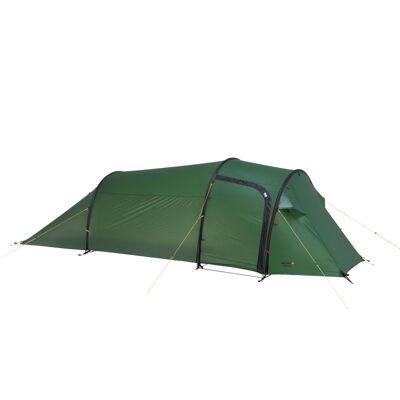
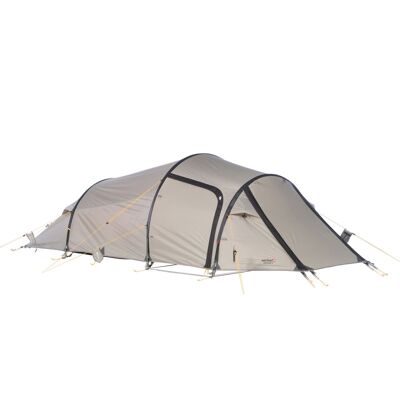
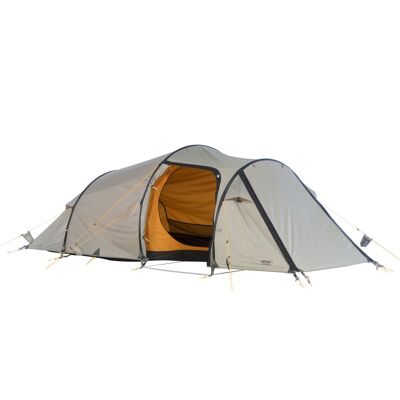
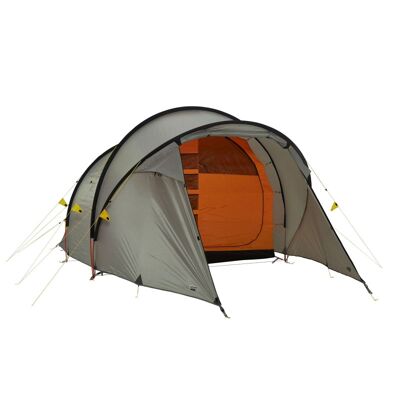
Among all the existing tent shapes, the tunnel tent is a favourite among campers, hikers, and climbers. Composed of several parallel poles and elongated in shape, the tunnel tent is lightweight and offers effective protection against wind at altitude and other weather conditions found in mountains or elsewhere. The tunnel tent is particularly appreciated for bivouacs located in barren areas, subjected to difficult weather conditions. However, this tent is not freestanding and does not allow you to stand up. Think carefully about your location before setting it up!
Dome Tent or Igloo Tent
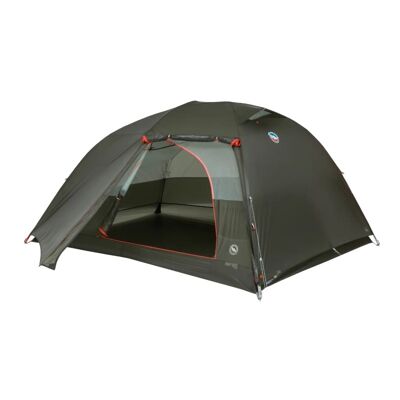
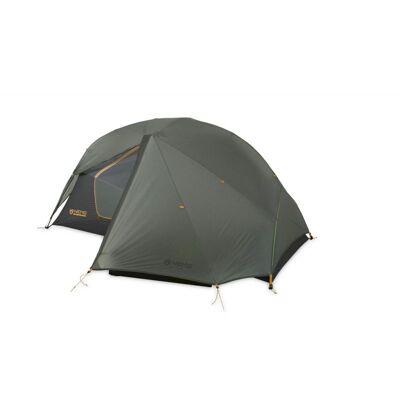
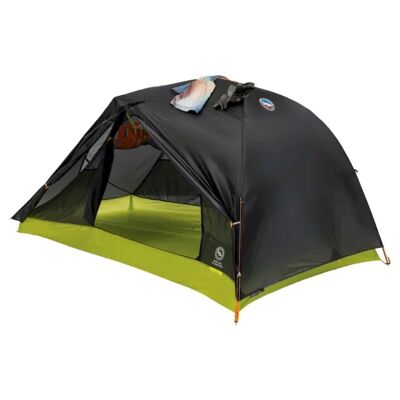
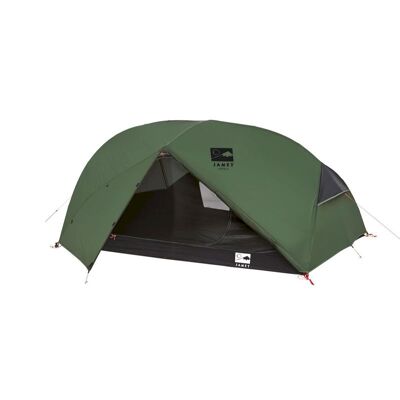
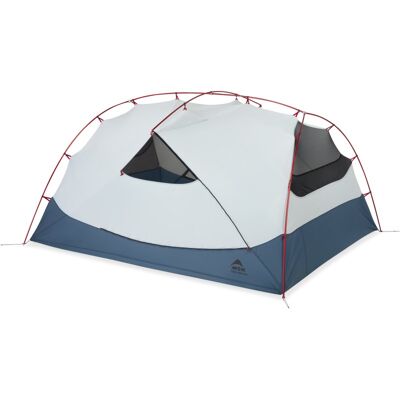
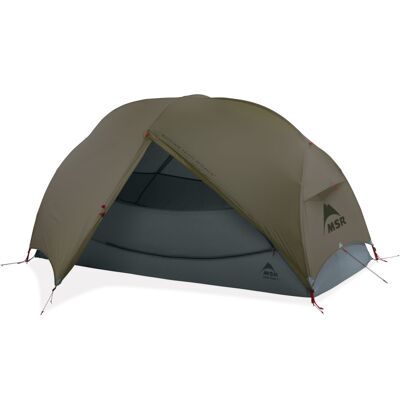
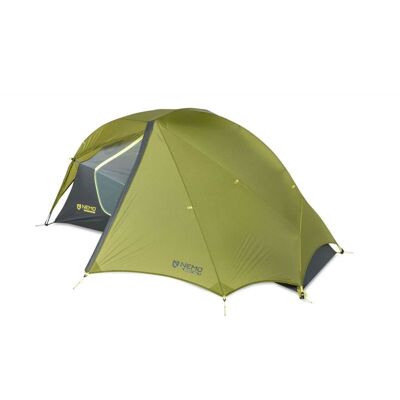
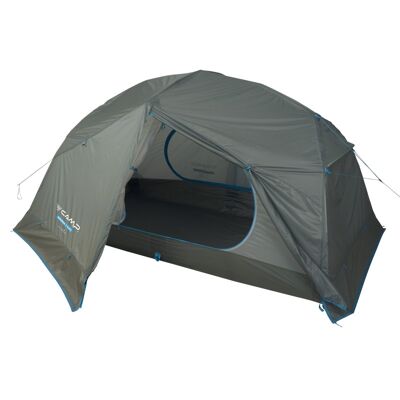
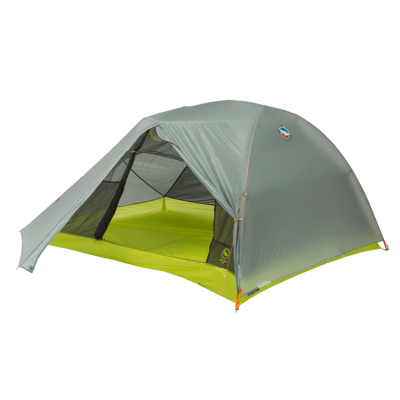
Widely available in the tent market, the dome tent, also known as the igloo tent, is an easy-to-set-up, freestanding tent that offers a spacious living area. The dome tent guarantees good protection against wind and rain. With a rectangular base, the igloo tent consists of two poles that cross at the top of the tent.
Geodesic Tent
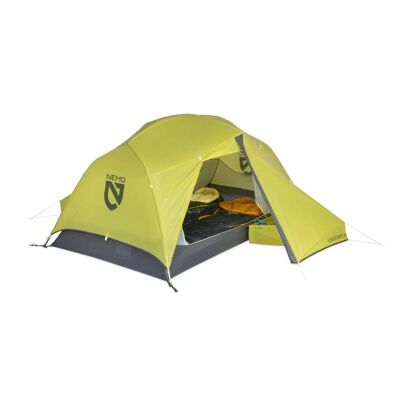
The geodesic tent is similar in shape to the igloo tent. Its only difference lies in the construction: the crossing of the poles occurs multiple times (minimum 3 poles). This results in a heavier weight, but the geodesic tent nonetheless provides remarkable stability in the event of strong winds and is very resistant to snow. The setup can also be less intuitive.
Tipi Tent or Pyramid Tent
Shaped like an Indian tipi, the tipi tent, also called the pyramid tent, is composed of a central pole for setup. Very lightweight, the pyramid tent is suitable for camping and small summer hikes. However, avoid using the pyramid tent for your long expeditions in the great outdoors, as it does not offer sufficient protection against the elements and its wind resistance is lower.
Family Tent
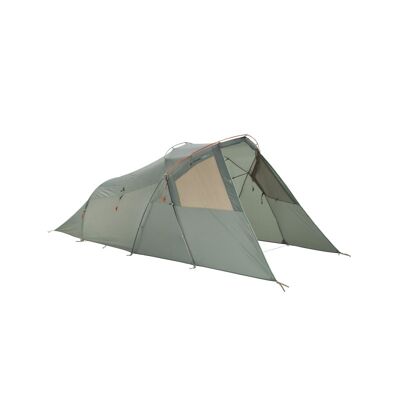
When you go with 5, 6, 7, or 8 people, space is essential to avoid being cramped against each other and having an unbearable holiday. The family tent will therefore be your ally for all your hikes or group camping outings. The family tent is generally equipped with a canopy, very useful for placing your camping table and your camping chairs to enjoy a convivial moment with family.
The Biggest Camping Tent Brands are on Hardloop.fr
Guidetti, Ferrino, Ticket To The Moon, Pharmavoyage... the biggest equipment manufacturers have designed comfortable and high-performance tents and their accessories for you. The adventurers of the Hardloop team have selected the best bivouac tents for optimal and well-deserved rest.