
Running Beanies
- Running Clothes (2780)
- Running Headbands (110)
- Running Caps (203)
- Running Jackets (263)
- Running Shirts & Tops (633)
- Shorts & Bibs (438)
- Running Tights & Trousers (279)
- Running Sports Bra (75)
- Running Boxers & Panties (55)
- Compression Clothing (131)
- Running Snood (162)
- Running & Trail Beanies (81)
- Running Gloves & Trail Gloves (53)
- Running Socks (354)
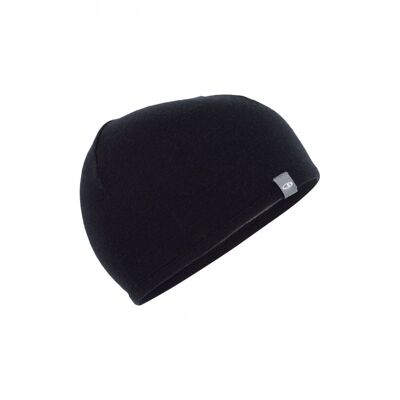
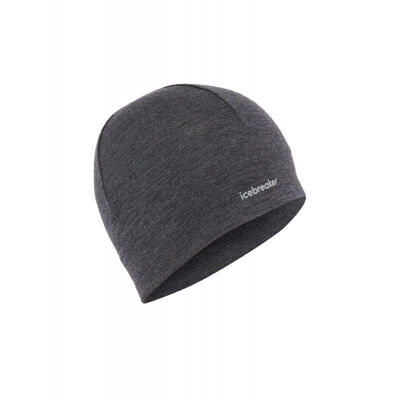
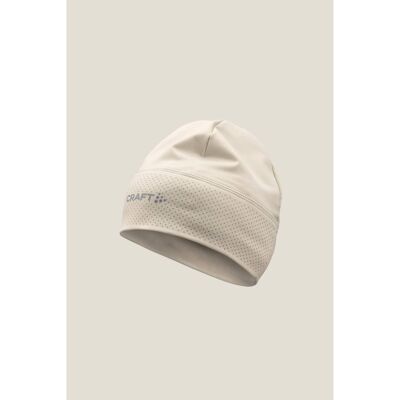
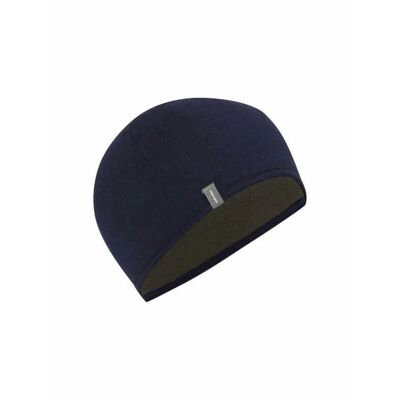
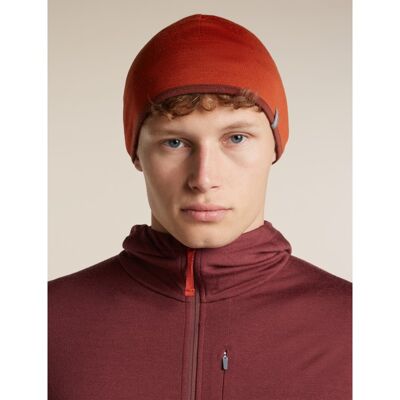
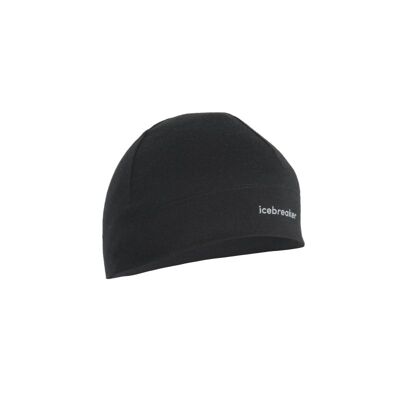
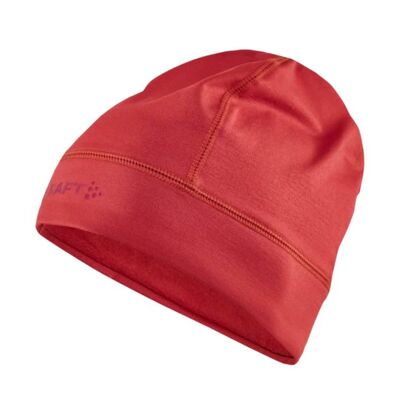
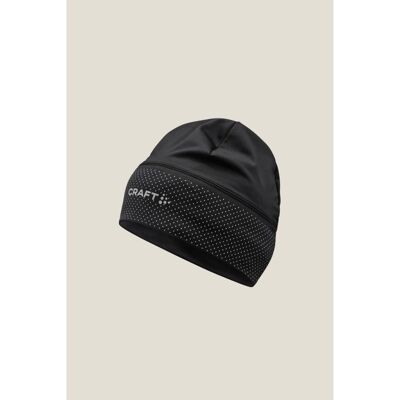
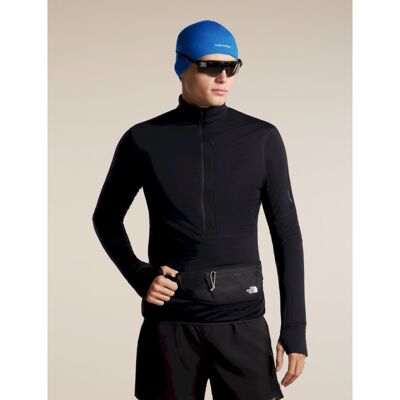
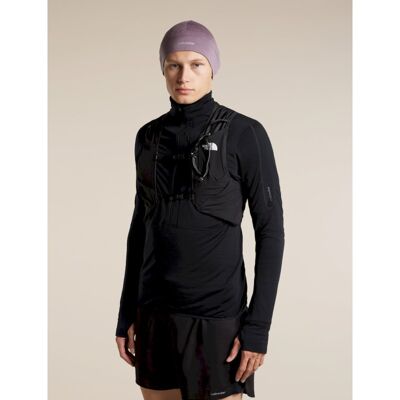
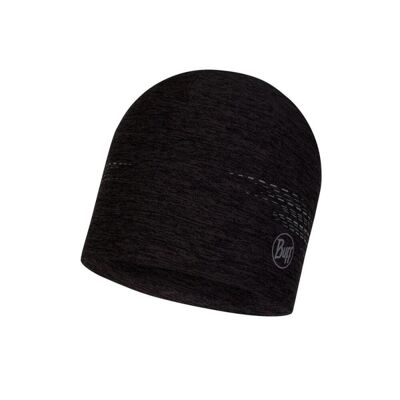
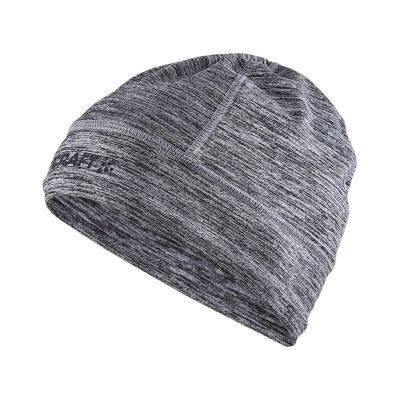
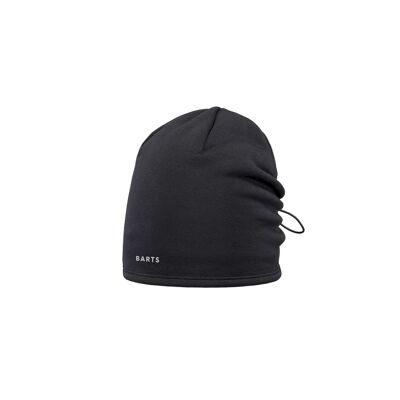
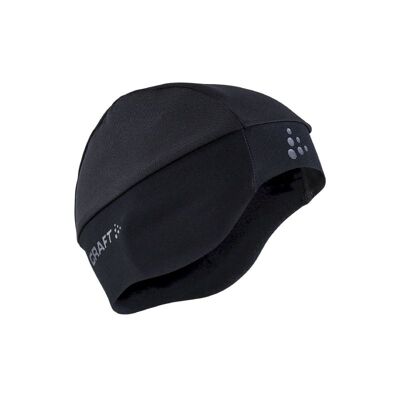
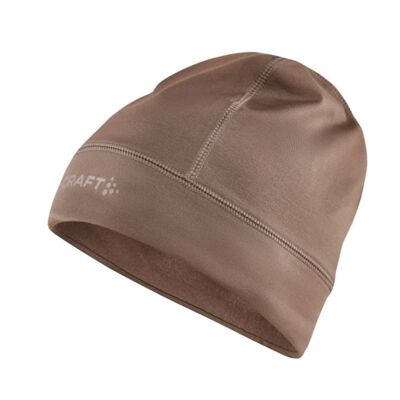
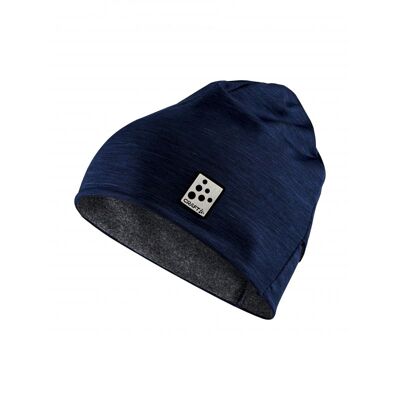
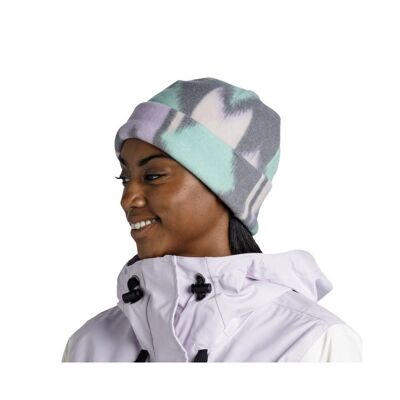
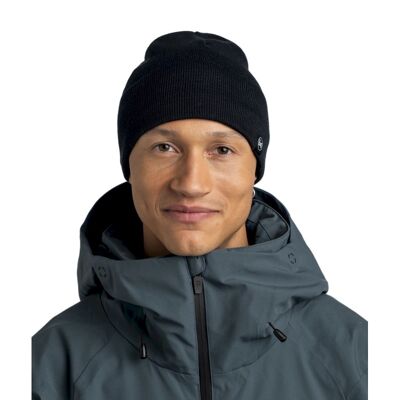
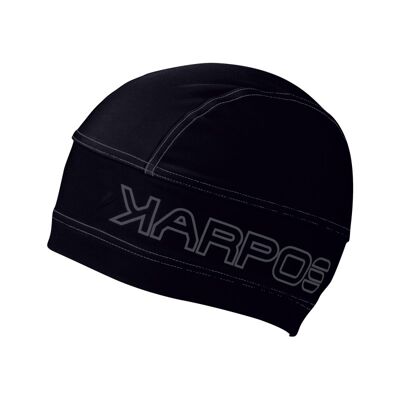
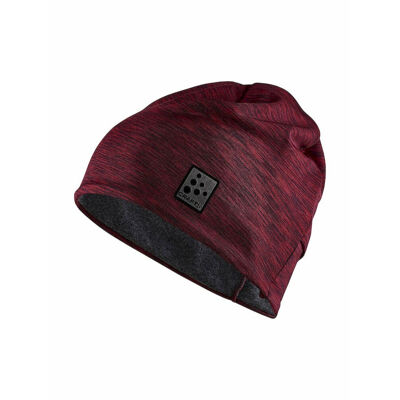
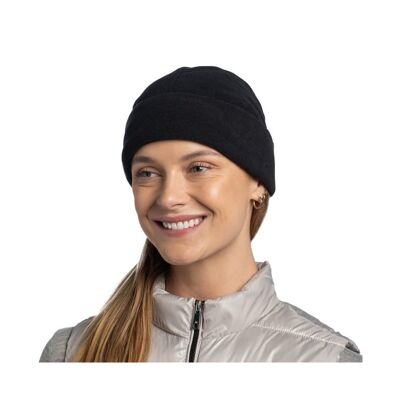
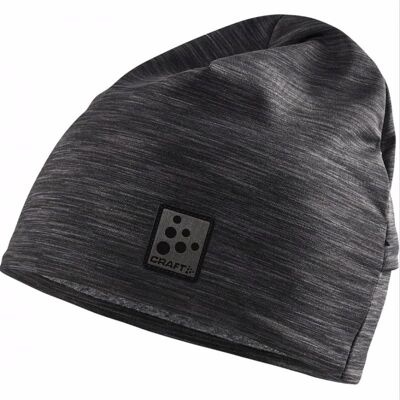
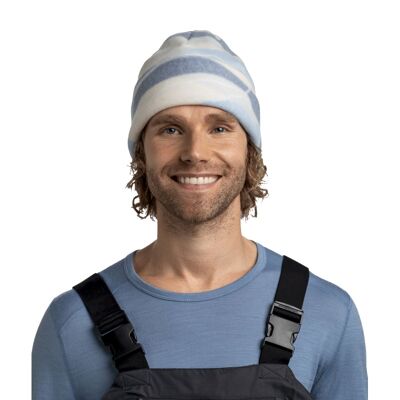
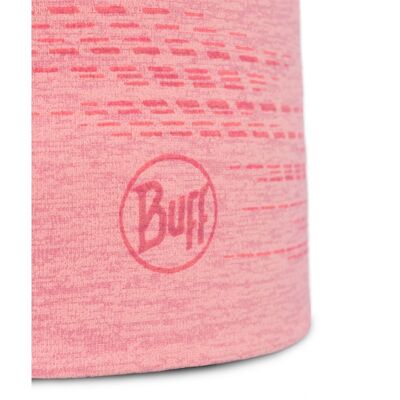
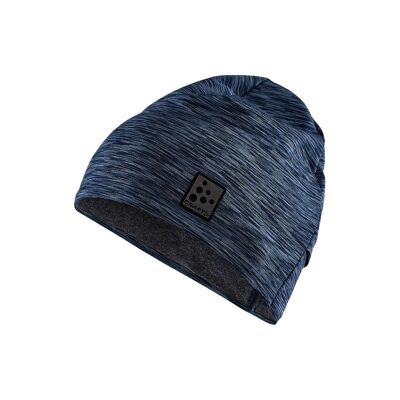
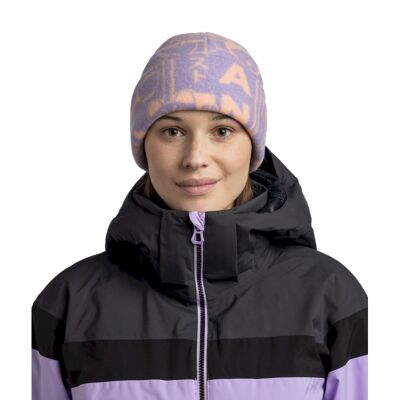
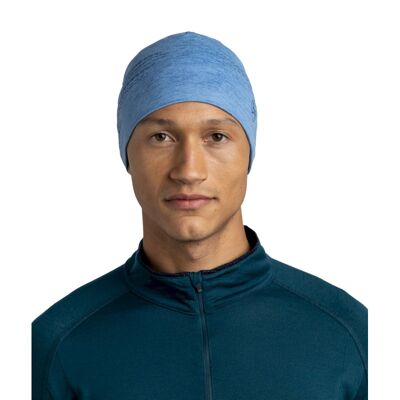
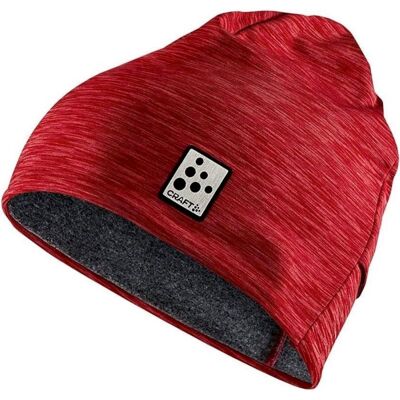
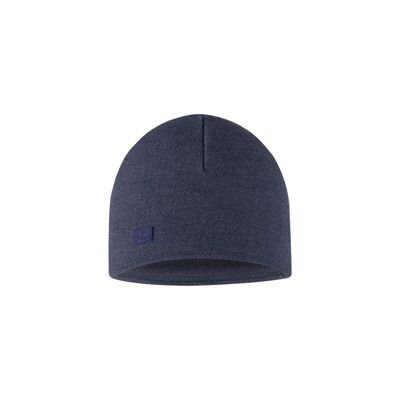
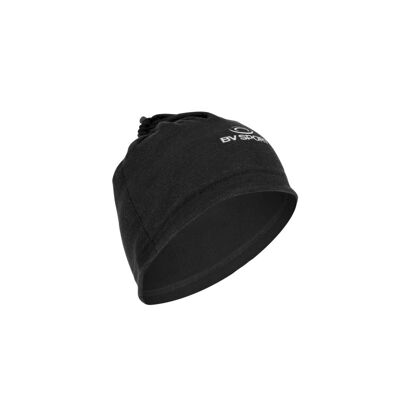
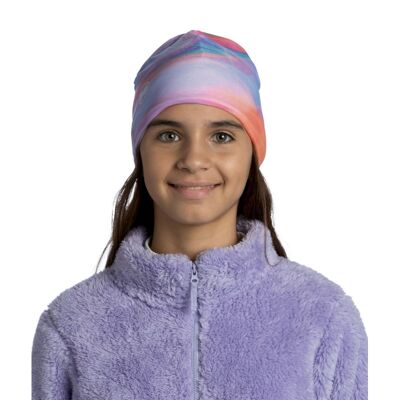
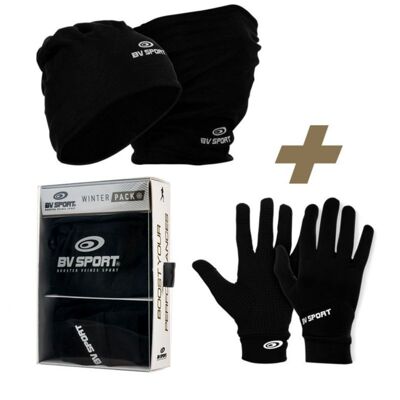
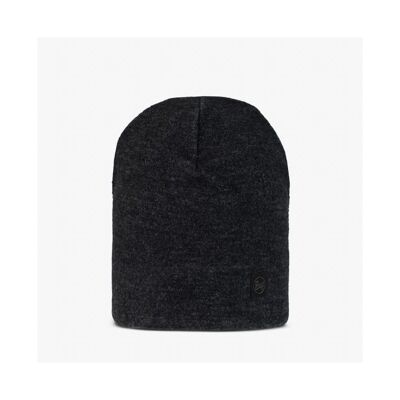
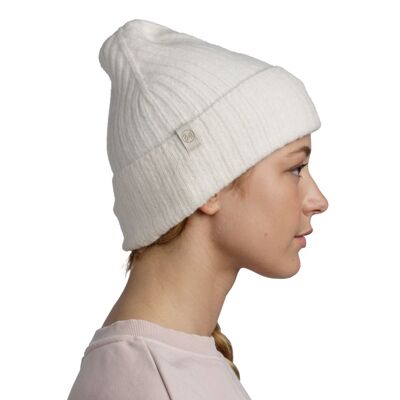
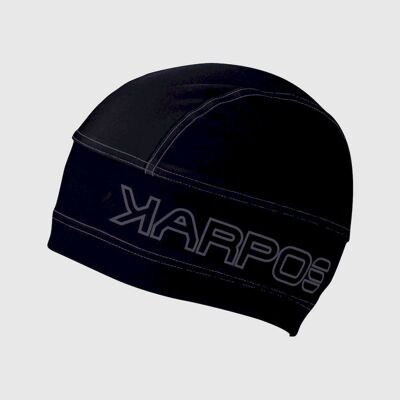
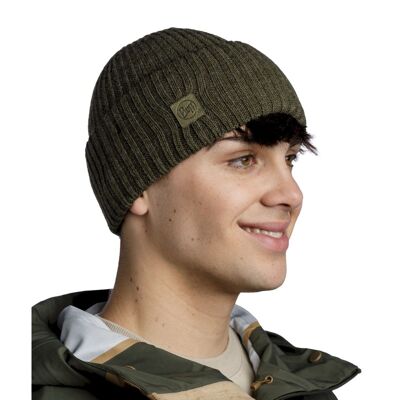
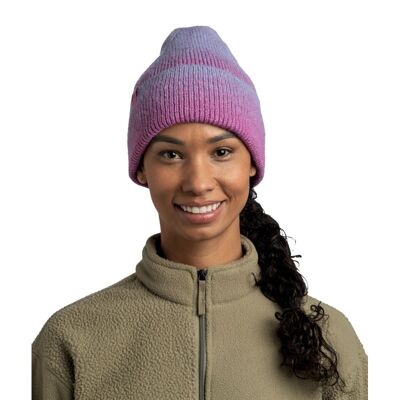
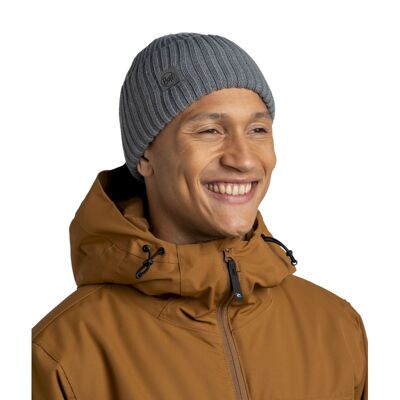
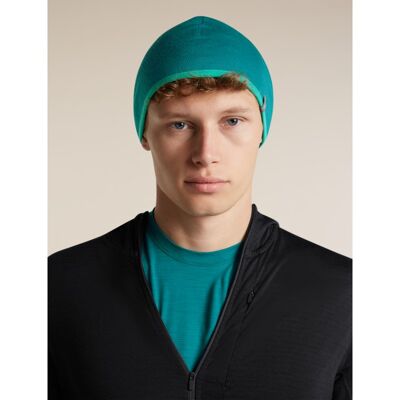
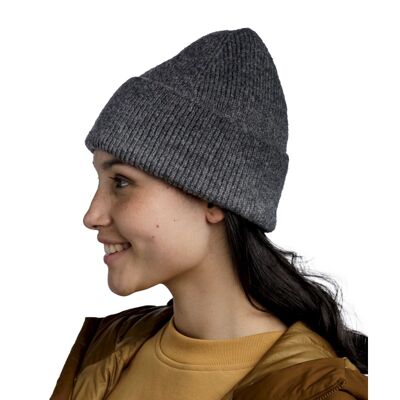
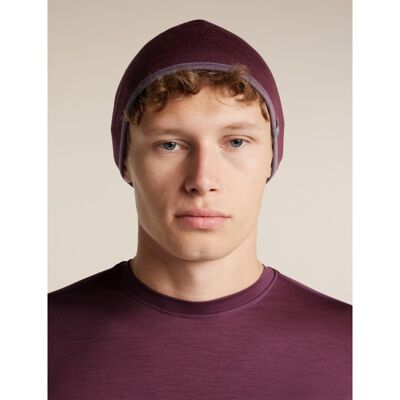
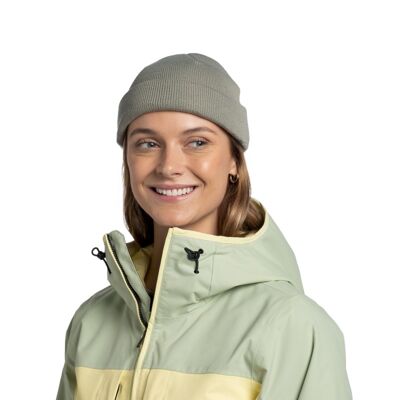

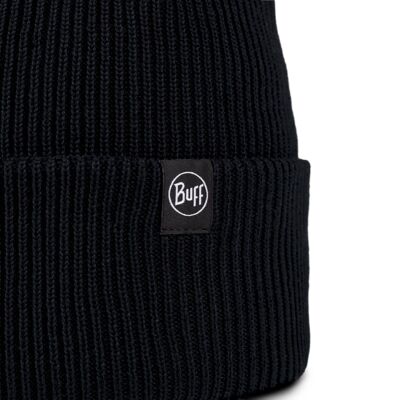
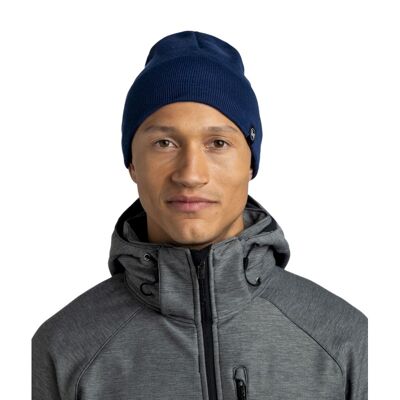
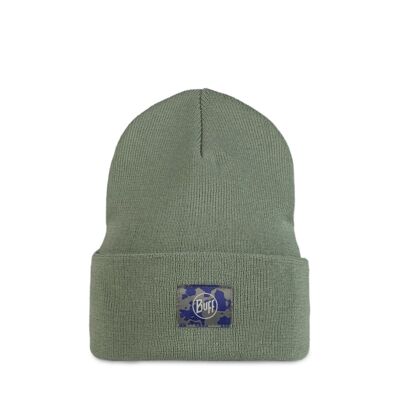
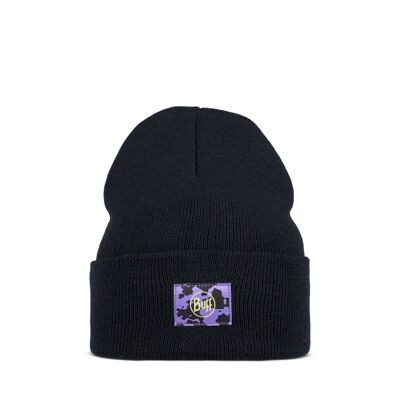

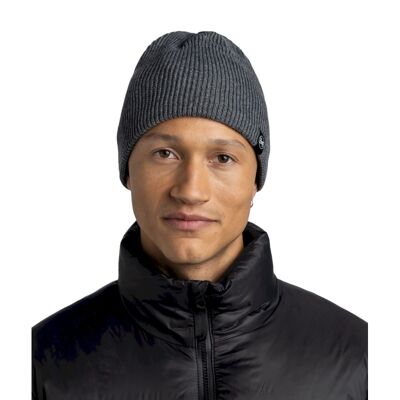

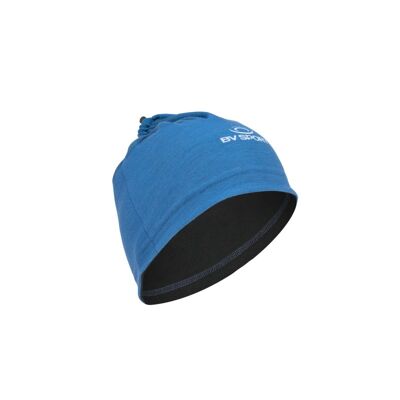
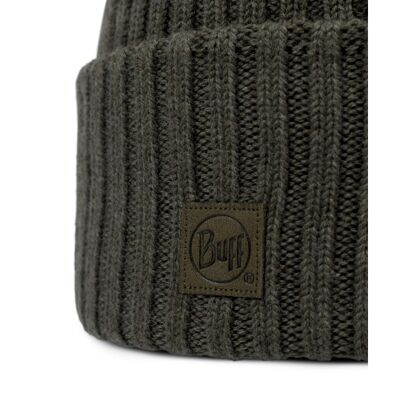
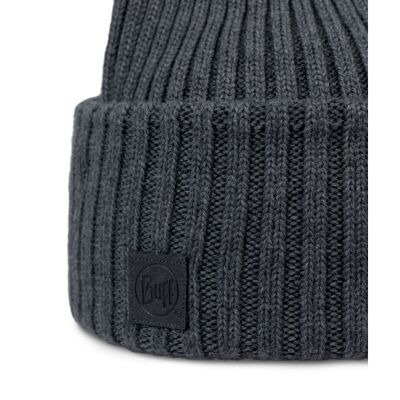
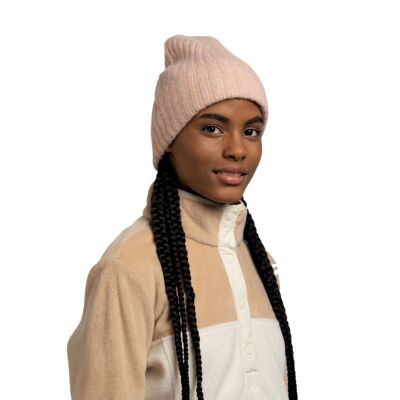
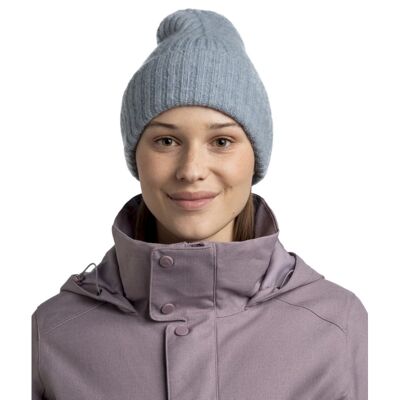
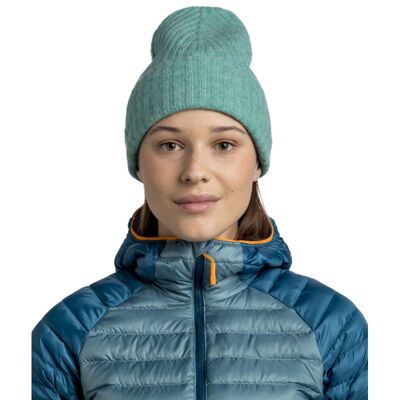
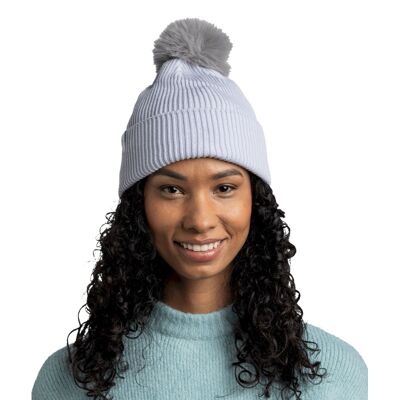
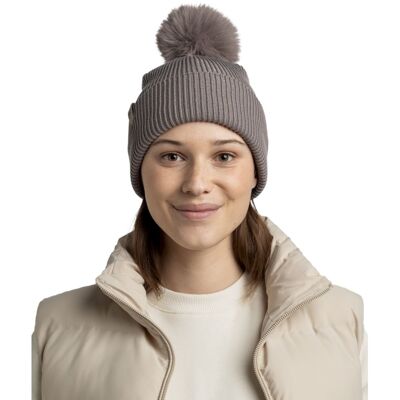
The trail beanie, essential for your cold weather runs
When you run, 70% of the heat your body loses escapes through your extremities. Whether it's your hands, feet, or head, it's crucial to protect them from the cold. It's always advisable to take a running beanie with you for your winter outings, to brave the cold and the elements during a trail weekend in Samoëns, for example. You'll also discover some tips that will help you choose the most suitable trail beanie for your practice and body shape.
Why wear a running beanie?
The trail beanie to keep your ears warm
When you run, your extremities (hands, feet, head) cool down faster than the rest of your body. Your ears, for example, are particularly susceptible to this issue. A trail beanie will perfectly address this problem as it will completely cover your ears with fabric, preventing you from getting cold. Think of the beanie like the Mammut Merino beanie, made from Merino wool, a bestseller that guarantees you'll stay warm in all circumstances.
The running beanie against cold at the head
The heat you emit during exercise is mainly lost through your body's extremities. Your head alone accounts for about 30% of this heat loss. A chill to the head can quickly lead to your entire body cooling down. This will affect your performance and your health: a nasty cold at best. Therefore, it's essential to use a trail beanie to avoid such discomfort. Beyond your comfort, you'll simply have to use a running beanie without which trail practice can become dangerous. A running beanie is highly recommended if you're undertaking a trail training session on the Mont Blanc trails.
The trail beanie, use it even just for the start of your effort
Running in trail shorts or running tights in the middle of winter rarely poses a problem as long as your body is warm. However, your body is often not warm at the beginning of your effort. If taking a jacket to warm up isn't practical, a running beanie takes up little space and can easily be stored in your pocket afterwards. The trail beanie will therefore protect you from the cold until your body warms up. It's ideal if you're doing a few laps of the track during a personalized trail and running coaching session.
Now that the usefulness of wearing a running beanie is clearer, here are some tips for choosing the running beanie that will be best suited to your practice and intended use.
How to choose your trail beanie?
There isn't a miracle running beanie that will meet the expectations of all runners. We all have different sensitivities to the cold and different expectations regarding the product we wish to use. For some, a Ridge II Beanie from Eider, thin and made of acrylic, will suffice, while others will need a Patagonia Beanie Hat, more suitable and efficient to avoid discomfort from the temperatures. Therefore, it's essential to select the criteria that suit you to find the trail beanie that best meets your expectations.
Trail beanie: with or without elastic?
One of the first questions to ask when choosing your trail beanie is whether it has an elastic or elastic material. This will depend on your sensitivity to the cold and your comfort level (which is very subjective). One advantage of an elastic running beanie is its ability to prevent air from passing between the beanie and your head. For those of you who are more sensitive to cold air, we would tend to recommend an running beanie made of elastic material to keep the cold air out. A running beanie like the Tyak Ear Flap from Millet for example would be perfect for you.
Which running beanie if you sweat a lot?
One of the downsides of sweating a lot is moisture evacuation. The issue is as follows: if it isn't evacuated, moisture will form and you'll get cold. Therefore, you need to find a trail beanie made of breathable material to avoid being chilled by the moisture from your head. A model like the Active Beanie from Salomon, lightweight and breathable, should suit you.
Choose a trail beanie that fits the shape of your head:
There is no standard skull shape. Each of us has a different head shape. A trail beanie that fits one person may not fit another. If you don't have the opportunity to try on the running beanie model you want, opt for models made of elastic materials. These will better conform to the shape of your skull.
Choose your running beanie to avoid overheating!
A very important criterion in choosing your trail beanie is the risk of overheating. This factor is often not taken into account, and it happens that runners use a running beanie that is too effective in terms of thermal insulation and end up overheating. The purpose of the running beanie is not to make you hot but to maintain your body temperature at its normal level. If the running beanie you choose is too effective for the temperature at which you run, your head will be at risk of overheating. And overheating is, of course, just as harmful during exercise as getting cold. So be sure to choose a trail beanie suitable for the temperatures you will be running in during your outings.
Some tips to help you:
Don't forget that just before your outing, the best way to assess the temperature is the thermometer. Your feelings can mislead you, but the thermometer won't. You'll need to be equipped differently if you're doing a trail initiation course in the Alps or a nordic trail initiation in Ariège.
You've read everything, well done, now all that's left is to choose! You can find a selection of trail beanies on Hardloop.fr: Patagonia, Eider, Millet, all the top brands are available on our site.