
Compression Tights & Leggings
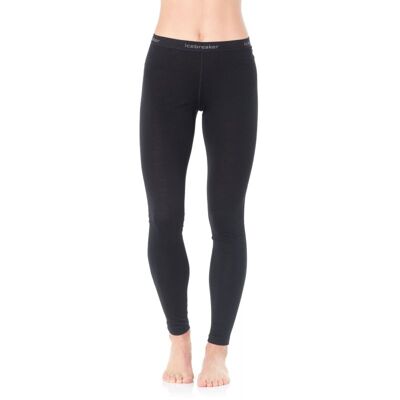
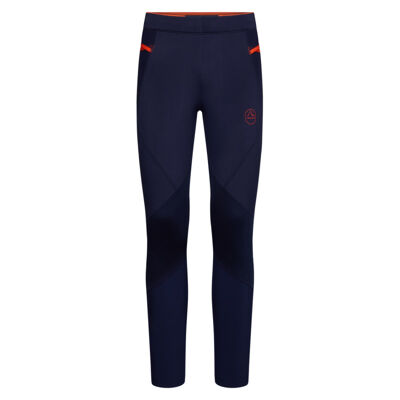
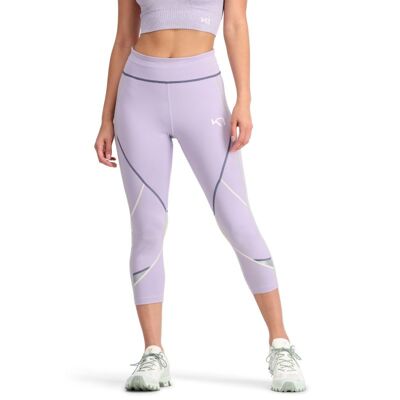
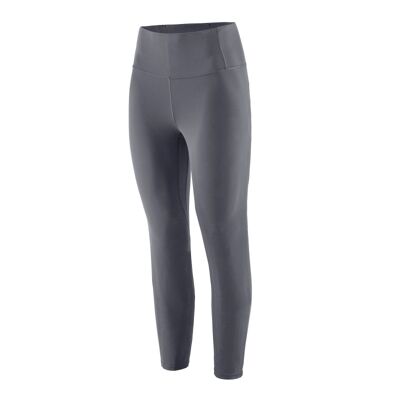
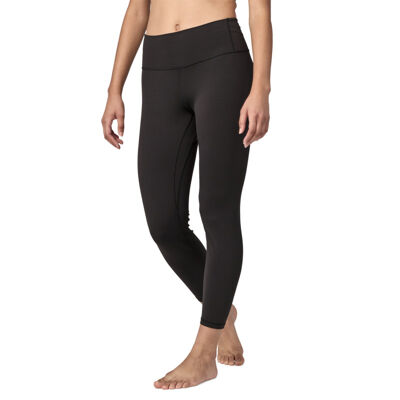
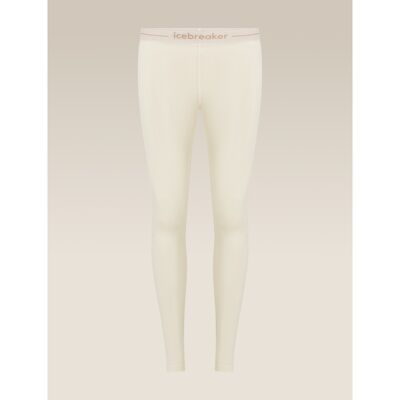
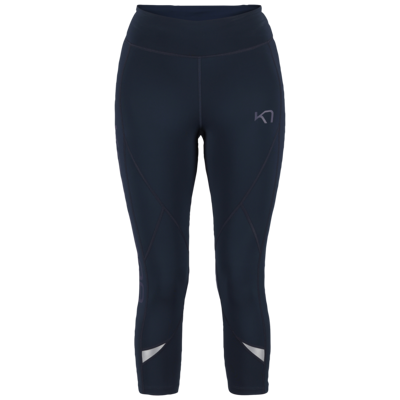
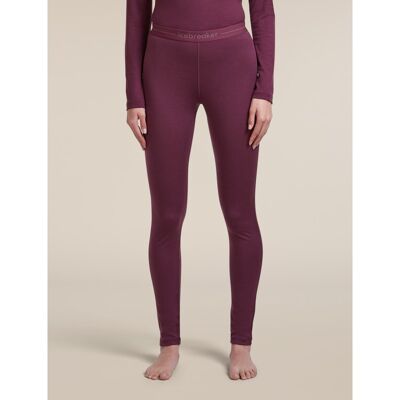
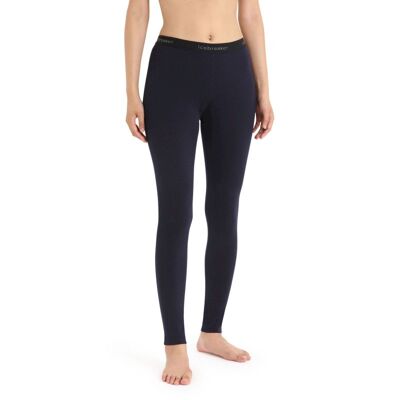
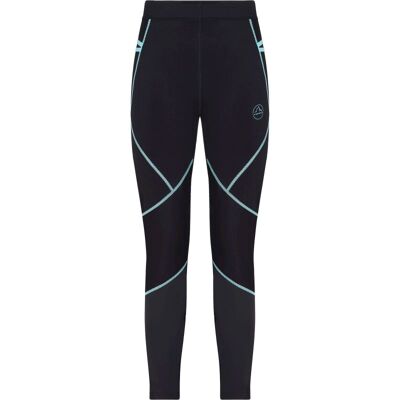
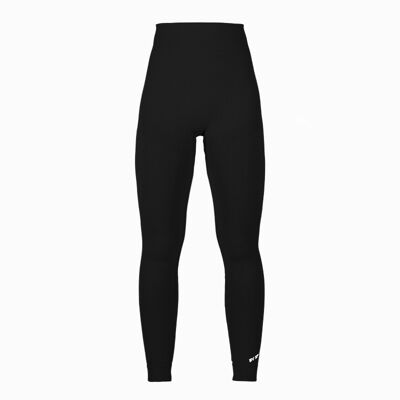
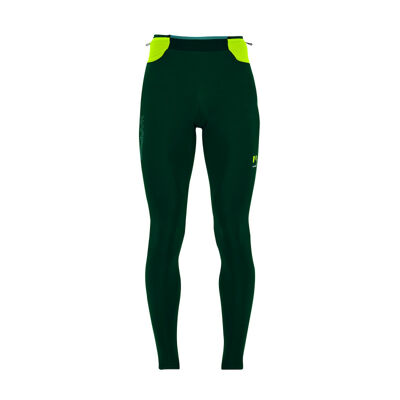
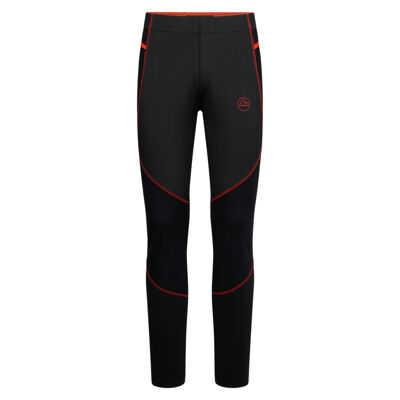
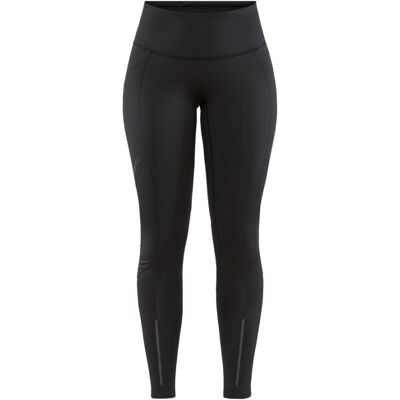
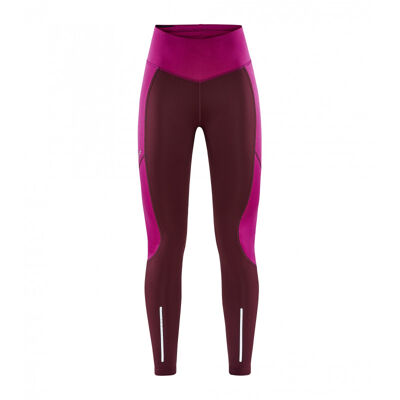
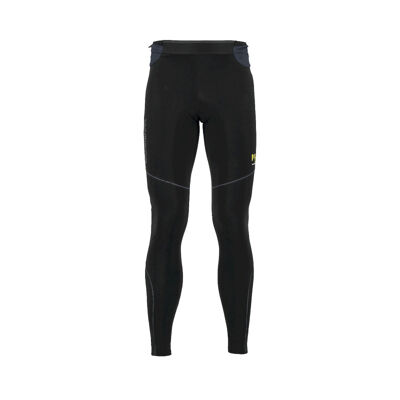
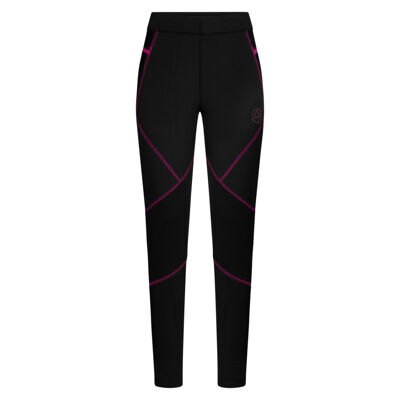
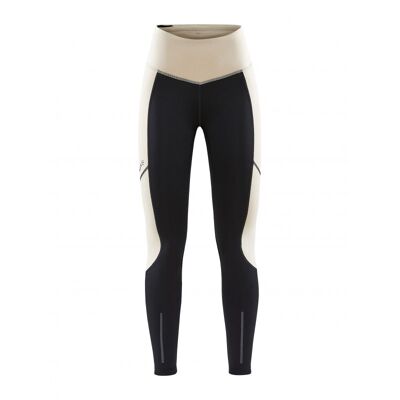
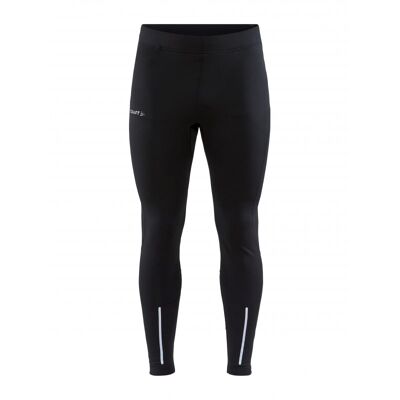
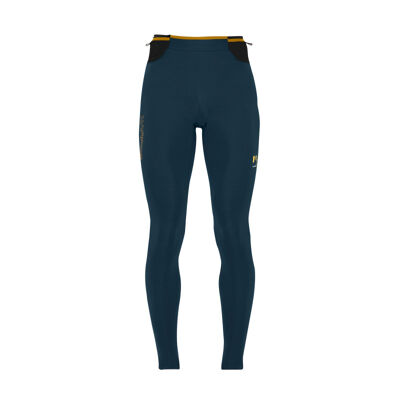
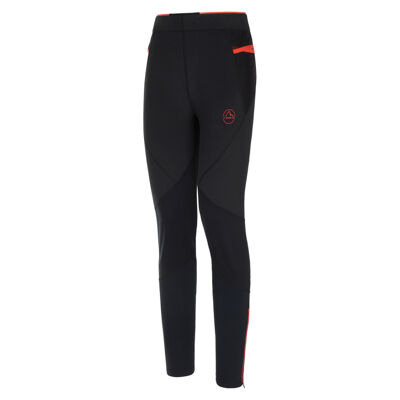
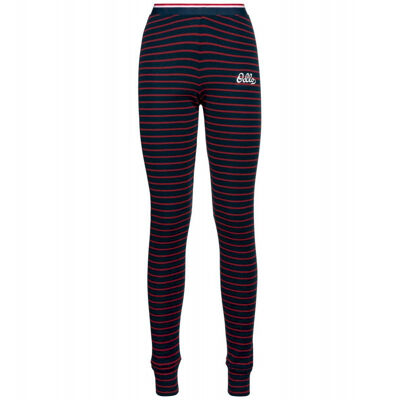
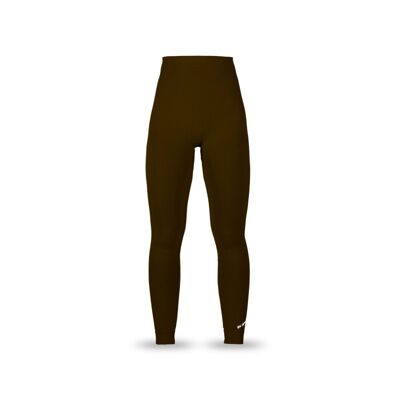
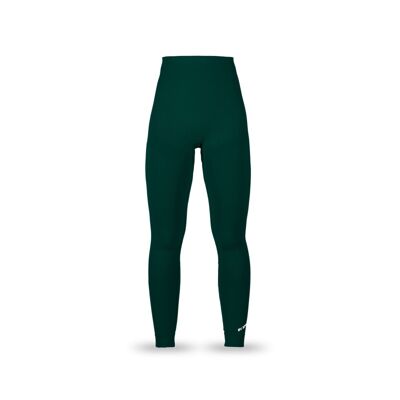
A compression tight, ideal for enhancing recovery
If you've ever started a marathon or a trail, you may have noticed that more and more athletes are equipped with compression clothing. You will indeed know many sportspeople who will extol the virtues of this type of gear. During a conversation, you might hear that a compression tight improves venous return, promotes muscle recovery, enhances sweat evacuation, and optimally supports the muscles. However, compression should not be confused with support! A compression tight possesses all the aforementioned qualities and exerts pressure on your legs, whether you are at rest or in full effort. In contrast, support clothing often consists of a non-elastic band that generates pressure only during exertion, not at rest.
The compression tight covers the entire lower body and is therefore beneficial for all lower muscles. Compression tights can be used in many disciplines, whether in mountain biking or during a running event.
If you decide to trek from Chamonix to Zermatt in a trail over the course of 6 days, for example, you might thank your lucky stars for guiding you towards a functional compression tight.
How to choose the right compression tight?
To choose your future compression tight, you should first consider the size of the compression tight.
When selecting your compression tight, the most important factor is indeed the size. To enjoy all the benefits of compression, the garment must fit you perfectly. Therefore, make sure that the compression tight exerts a certain pressure on your muscles, without being too tight. You will feel, when moving your muscles, whether you experience discomfort or if your compression tight provides a light or even pleasant pressure during exertion.
There are two schools of thought in the creation of compression tights. You may find compression tights that are termed decreasing, meaning a compression tight that exerts decreasing pressure along the leg. The compression will be greater at the thigh level. This method of compression is particularly recommended by medical studies.
However, you will also find compression tights that are termed progressive, which exert increasing compression as they move up the lower limb. Proponents of this compression argue that a compression tight with progressive compression is much more effective than one with decreasing compression.
The compression tight therefore promotes muscle recovery and can be a quality asset for all athletes. For trail enthusiasts, choosing the right men's compression tight or women's compression tight is as important as selecting from the 10 best trail running shoes available on the market. In a society where everything tends to move too quickly, you will appreciate being able to rest in the evening after an intense effort by the fireplace. Your muscles will also appreciate the compression tight and the recovery sandals that will help relieve your feet, just like your legs. However, do not forget to hydrate during your effort so that the compression tight and all the other recovery elements in your backpack can truly relieve you. A cool water kept in a quality bottle will complete the recovery period you have started with your compression tight.