
Men's Climbing Shoes
- Shoes & boots (5514)
- Hiking shoes (1107)
- Trekking boots (576)
- Mountaineering boots (93)
- Approach shoes (139)
- Trail running shoes (548)
- Nordic walking shoes (4)
- Running shoes (391)
- Climbing shoes (153)
- Cycling shoes (511)
- Hiking sandals (345)
- Ski boots (38)
- Snow boots (277)
- Rain shoes (111)
- Lifestyle shoes (1561)
- Flip flops & slides (58)
- Carbon plate shoes (26)
- Men's Boat shoes (21)
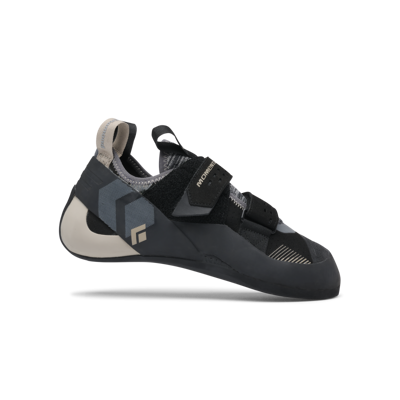
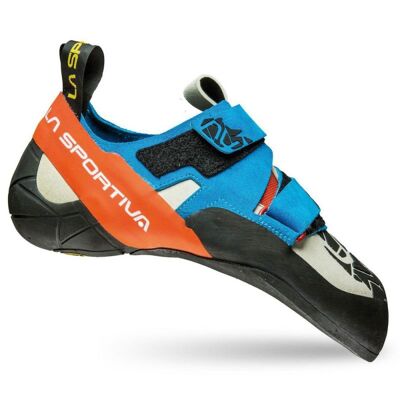
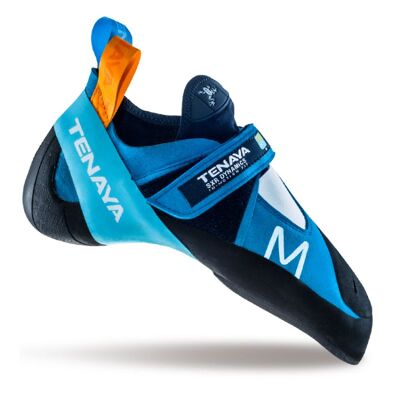
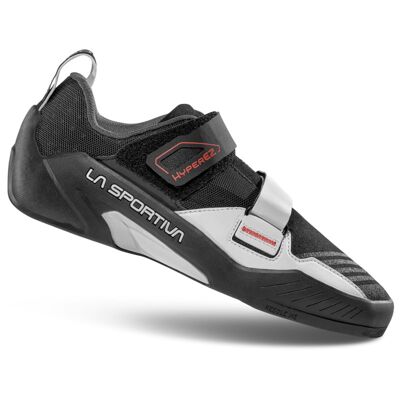
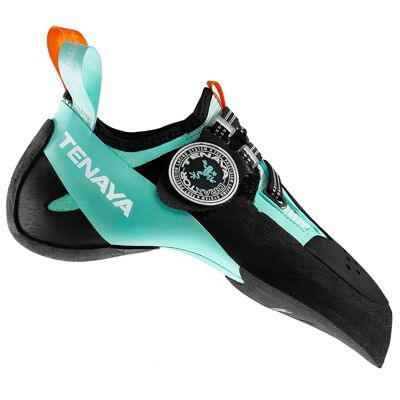
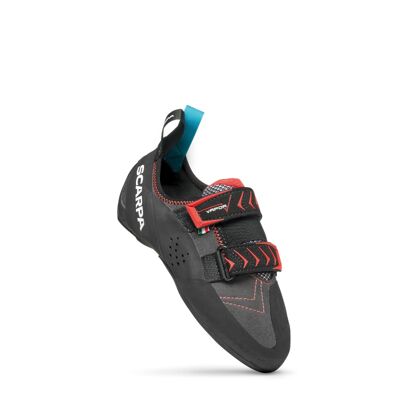
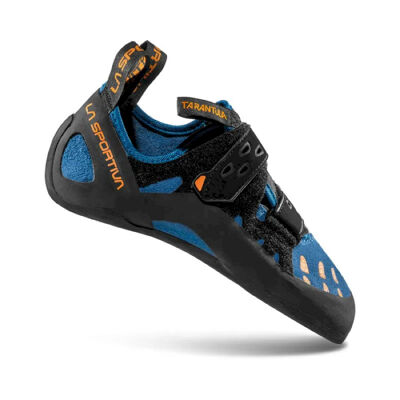
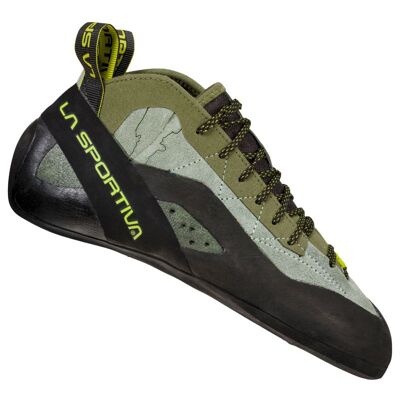
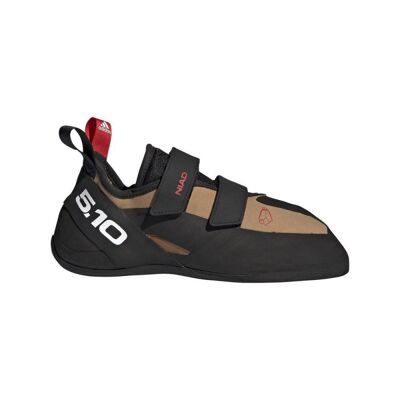
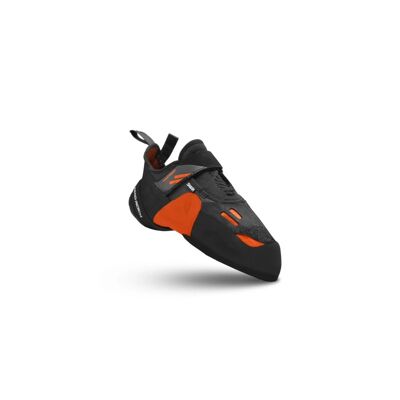
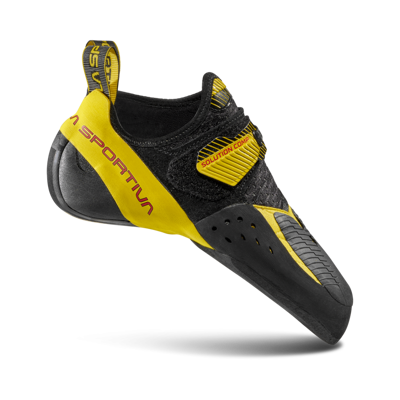
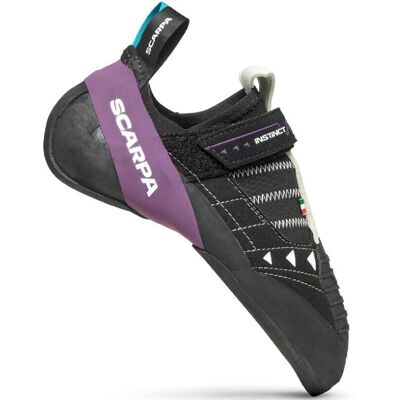
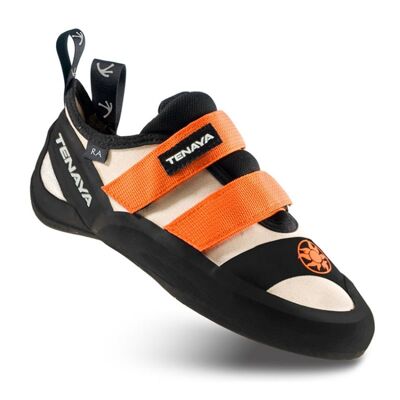
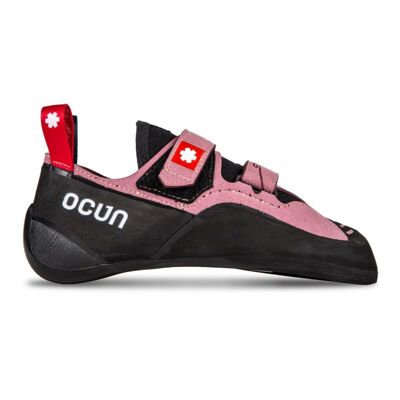
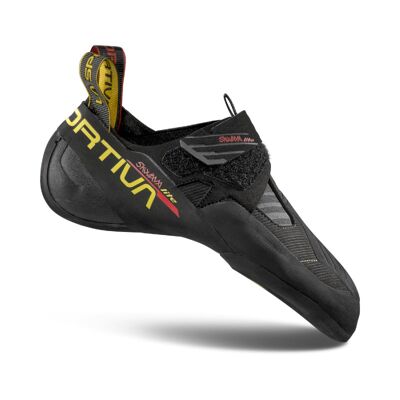
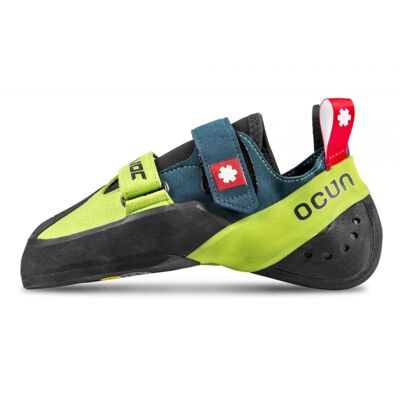
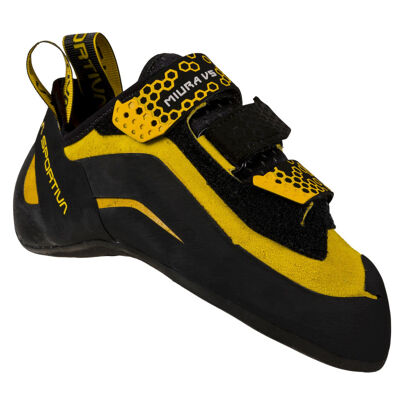
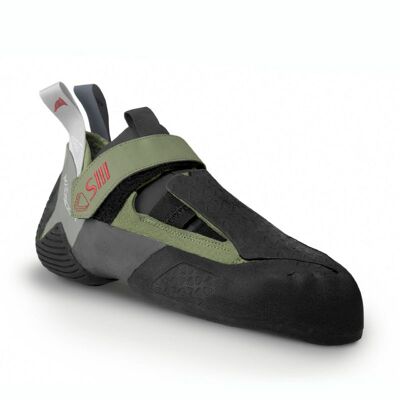
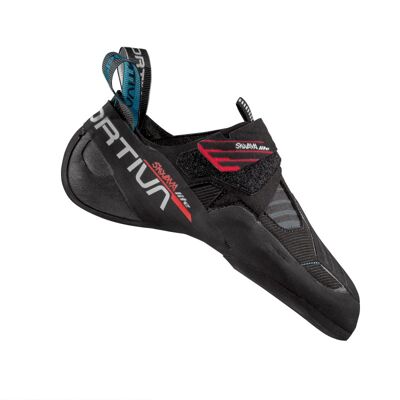
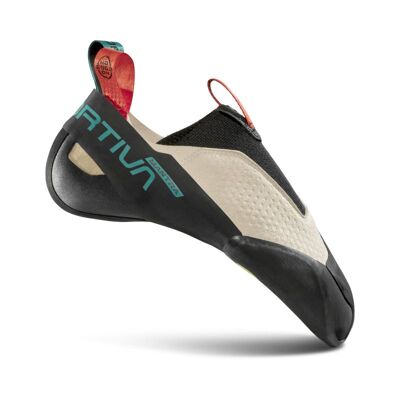
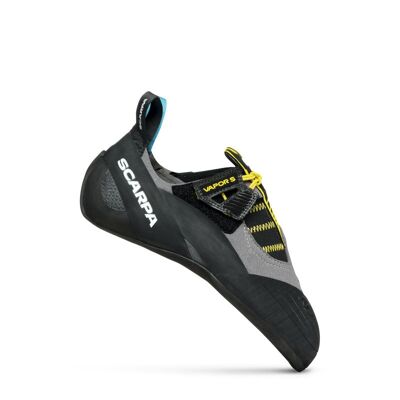
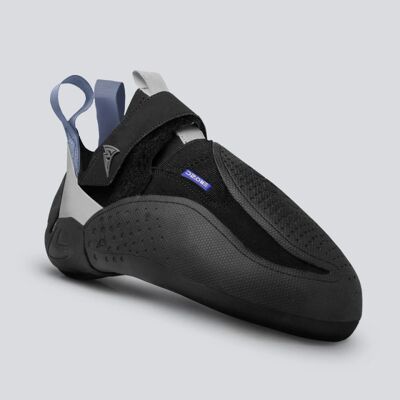
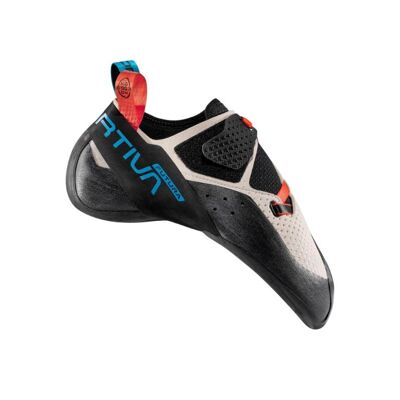
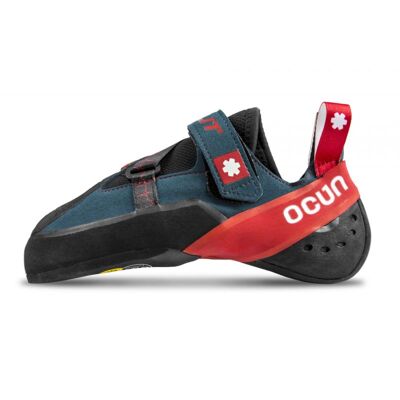
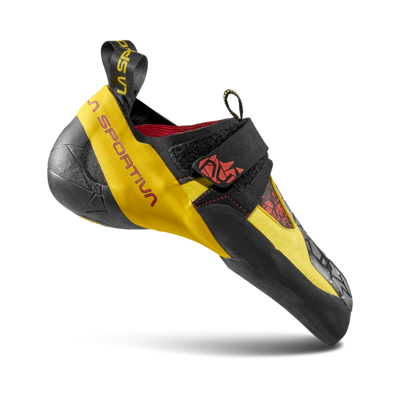
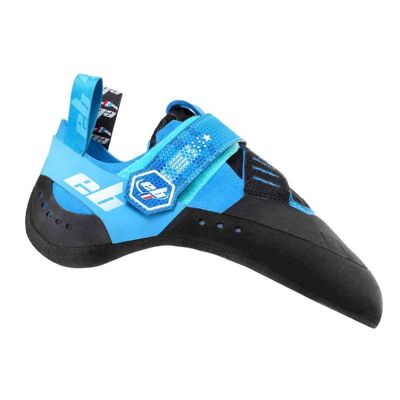
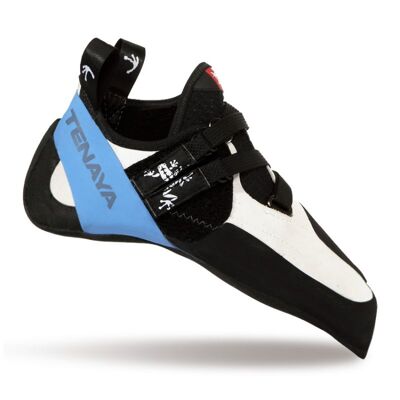
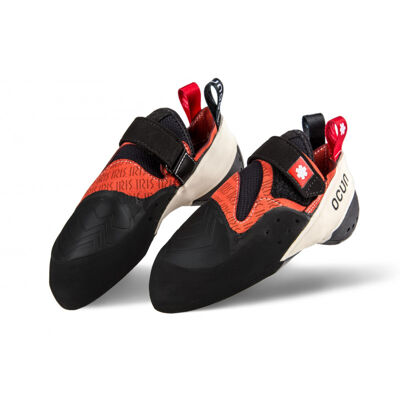
Choosing the Right Men's Climbing Shoes
Your men's climbing shoes are one of the key elements that ensure you climb at your best. Therefore, choosing your men's climbing shoes should not be taken lightly. Climbing has become a very popular sport today, and various practices have developed around this discipline. In this regard, indoor climbing, bouldering, sport climbing, and trad climbing indeed have many enthusiasts. However, these practices, all quite different from one another, have their unique characteristics, which are important to consider when selecting your men's climbing shoes. At the same time, many models of men's climbing shoes are available on the market, offering a vast array of shoes with diverse features: it can be overwhelming! To help you better understand the characteristics of men's climbing shoes and how to choose them wisely, the following article explains the essential points to consider for your next purchase of men's climbing shoes.
Characteristics of Men's Climbing Shoes
Shape of Men's Climbing Shoes
We can find men's climbing shoes in two distinct shapes: symmetrical and asymmetrical. To know how to choose the shape of your men's climbing shoes, two criteria are essential: your climbing level and the shape of your feet. To clarify, we will first present the different shapes of men's climbing shoes, and then we will discuss the shape of your feet.
- Symmetrical men's climbing shoes (straight): for this type of shoe, the tip of your shoe (the extremity where your toes are) will be central. This feature allows you to use all your toes without distorting your foot. Often recommended for beginners and those with a wider foot shape, these shoes provide good grip.
- Asymmetrical men's climbing shoes: for this type of shoe, the tip is angled towards the big toe. This characteristic offers more technicality to your men's climbing shoes. This particular shape allows you to concentrate your force on your big toe. The climber thus has more precision and grip when dealing with small holds. However, be cautious, as asymmetrical climbing shoes offer much less comfort; they require sufficient endurance and years of climbing experience to withstand the discomfort.
The shape of the men's climbing shoes you choose also depends on the shape of your feet. Indeed, different foot shapes exist, leading to variations in how toes present themselves from one foot to another. The three most common foot shapes are as follows:
Egyptian foot: on this type of foot, the big toe is the longest.
Greek foot: on this foot, the longest toe is the one next to the big toe.
Square foot: on this foot, all toes are aligned.
Thus, Egyptian feet will be much more suited to support men's climbing shoes of an asymmetrical shape. The shape of your feet is therefore an integral component to consider before choosing your men's climbing shoes.
Closure System of Men's Climbing Shoes
The closure systems of men's climbing shoes are grouped into three categories: ballerina closure, velcro closure, and lace closure. Each of these closure systems offers advantages and disadvantages that should be considered based on your practice.
Ballerina: a ballerina-type closure system allows you to quickly put on and take off your men's climbing shoes. This provides a significant advantage in bouldering and indoor climbing: you can quickly remove your shoes between routes to rest your feet, for example. This type of closure often reduces the price of the shoes. However, ballerina closures do not provide as effective a foot hold as velcro or lace systems. Made of elastic, ballerina shoes will stretch over time, which will inevitably reduce the support for your feet. This is why ballet shoes are primarily used in indoor climbing, where foot support is less critical.
Velcro: shoes equipped with velcro represent the best compromise in terms of foot support and quick donning. You can indeed put on and take off your men's climbing shoes quite quickly, just like with the ballet shoe, without the drawback of an elastic that stretches over time. However, you will have less precise tightening than with lace closures. Moreover, velcro is not always suited to your foot and suffers from the same issue as the ballerina: narrow feet may lack grip in a men's climbing shoe with velcro, while the velcro itself tends to wear out faster than a standard lace. Like ballet shoes, men's climbing shoes with velcro are primarily used indoors.
Laces: shoes equipped with laces offer the most precise tightening possible for your men's climbing shoes. With laces, you can optimally adjust the shoe to your foot. However, shoes with laces take longer to put on and take off. For these reasons, men's climbing shoes with laces are more commonly used in sport climbing or trad climbing.
Stiffness of Men's Climbing Shoes
The stiffness of men's climbing shoes can vary from quite soft to very stiff. Stiff men's climbing shoes provide little feel for the rock beneath your feet but allow the climber to transmit more power through their feet. Thus, these men's climbing shoes are recommended for sport climbing. Conversely, soft men's climbing shoes will give you good sensations on the wall, almost making you feel barefoot, and provide unparalleled performance on rounded holds and excellent grip. This type of men's climbing shoes is formidable in bouldering. To find the stiffness that suits you, it is important to test the stiffness of the men's climbing shoes you wish to buy to see if the stiffness suits you.
If some people wish to climb both in bouldering and sport climbing, you have several options for equipping yourself:
- Purchasing two pairs of men's climbing shoes or more may be feasible. You will thus have one pair dedicated to bouldering and another pair dedicated to sport climbing.
- The second solution is to buy a pair of versatile men's climbing shoes. If you choose this solution, you should know that your shoes will generally be less effective than men's climbing shoes specifically designed for the discipline.
Rubber of Men's Climbing Shoes
The rubber on the soles of climbing shoes varies depending on their stiffness. For soft men's climbing shoes, the rubber will be soft and thin. With this rubber, men's climbing shoes are flexible and also have good grip. These characteristics are ideal for bouldering. For stiff men's climbing shoes, the rubber will be harder. With this type of rubber, men's climbing shoes are more dynamic and powerful during pushes. These characteristics make them ideal partners for sport climbing. You will find the different types of rubber available for your men's climbing shoes:
C4 Five Ten and XS Edge Vibram: these rubbers are 4 or 5 mm thick. Durable, they are a good compromise between grip and durability.
Onyx Five Ten: this rubber is 4 mm thick. The Onyx Five Ten is very soft and provides good grip.
XS Grip Vibram: this rubber is 4 or 5 mm thick. Like the Onyx Five Ten, it is grippy and soft.
XS Grip 2 Vibram: only available in a thickness of 3.5 mm, this is the thinnest rubber available. It is suitable for smaller, lighter individuals.
Tip of Men's Climbing Shoes
The tip of men's climbing shoes is more or less narrow. The finer it is, the more precision you gain. However, this fineness comes at the expense of comfort: it is essential to find the right balance between these two components.
Camber of Men's Climbing Shoes
Sometimes referred to as the “shoe claw,” the camber of men's climbing shoes allows you to lean more or less heavily on your toes. Comfort is also significantly reduced at the expense of power. You will find cambered men's climbing shoes useful in overhangs, for example. Your feet can indeed find support more easily thanks to a “claw” effect. This type of men's climbing shoes is by no means mandatory. Moreover, a strong camber is not necessarily synonymous with performance: you need to have the necessary experience and level to benefit from it fully.
Heel of Men's Climbing Shoes
At the back of men's climbing shoes is the heel. This part should not be overlooked either. Indeed, your heel must be securely held by this part of the shoe. To ensure it does not move, when you push with the tip of your men's climbing shoes, you should feel a tension that spreads throughout your shoe from the heel. Also, be careful not to choose a heel that rises too high on your ankle: it could irritate you significantly with repeated friction.
Material of Men's Climbing Shoes
The upper of your men's climbing shoes can be made from different materials: leather or synthetic. You can find men's climbing shoes with either a synthetic upper, a leather upper, or a combination of both materials.
Leather: the leather upper of men's climbing shoes is ideal for beginners. Softer than synthetic men's climbing shoes, leather shoes offer you more flexibility. Thus, a 100% leather upper stretches over time and adapts to the shape of your feet. However, in the long run, leather men's climbing shoes are less durable than those made of synthetic materials, as they stretch significantly. Lined leather uppers offer a better alternative, although the problem persists after a certain period. This is why synthetic has become the primary material used by manufacturers.
Synthetic: men's climbing shoes made with a synthetic upper are much stiffer than those made with a leather upper. A synthetic upper hardly stretches at all. Therefore, you need to be meticulous when choosing your shoe: if you choose it too small, it will not adapt to your foot, and the shoe will be uncomfortable. However, the synthetic upper has advantages due to its stiffness. Indeed, the shoe will not deform, ensuring you have men's climbing shoes that are very durable over time.
Leather - Synthetic Mix: in cases where the upper of a shoe is made with both leather and synthetic, the synthetic is located at the front of the men's climbing shoes to ensure good stiffness at the toe area. The rest of the upper is made of leather to allow for good stretching in a less critical area of the foot.
Different Climbing Practices
The main elements that make up men's climbing shoes are now no longer a secret to you. Now, to find your men's climbing shoes, you should consider your climbing practice. Depending on the type of wall you are climbing on, your men's climbing shoes will vary.
Sport Climbing: Men's Climbing Shoes
If you primarily climb in sport climbing, it is useful to consider the profile of the routes you enjoy climbing. Indeed, the holds are different when you are in an overhang or on a vertical wall. Thus, if you are a fan of overhanging routes, cambered men's climbing shoes are necessary to provide you with good grip. An asymmetry will also allow you to have a plunging tip for more precision. Conversely, for those who prefer vertical walls, the stiffness of the shoe will be paramount. The support of your feet must be ensured by precise lacing to enhance the accuracy of your movements. Regarding the closure system, laces are highly recommended in sport climbing.
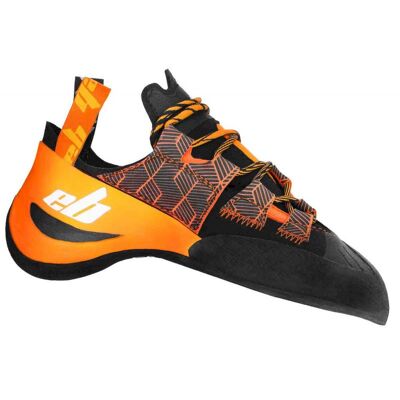
3 models of men's climbing shoes for sport climbing:
Bouldering: Men's Climbing Shoes
Bouldering involves intense but short efforts. To choose your men's climbing shoes for this practice, you need to identify the type of bouldering you will primarily be climbing on. For boulders with many small holds and few flat ones, opt for stiff men's climbing shoes that will guarantee the necessary power transfer to your feet. If you practice on boulders with rounded holds, you should rather choose soft men's climbing shoes. You will thus have good grip, which is well-suited for this type of bouldering.
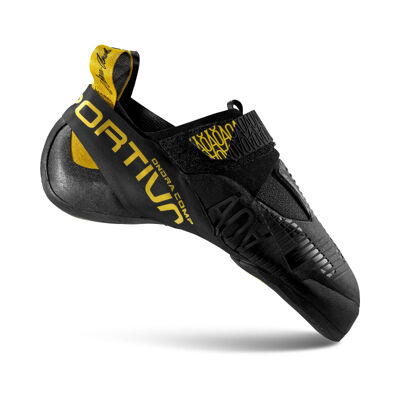
3 models of men's climbing shoes for bouldering:
-Python -La Sportiva
Long Routes: Men's Climbing Shoes
For this type of practice, it is possible to choose your men's climbing shoes identical to those you use for sport climbing. However, as long routes require much longer efforts than in sport climbing, and you may sometimes need to keep your shoes on throughout the ascent, it is recommended to choose half a size or even a full size larger than your sport climbing shoes.
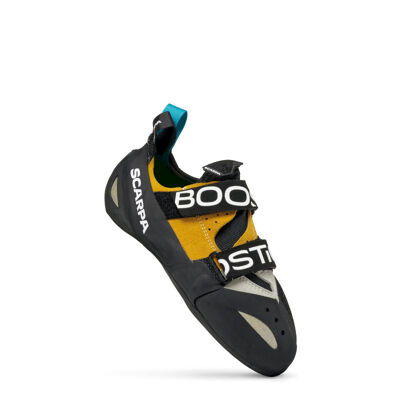
3 models of men's climbing shoes for long routes:
Indoor Climbing: Men's Climbing Shoes
For indoor climbing, you do not necessarily need very technical men's climbing shoes. Indeed, it is easier to place your feet on the holds indoors. Moreover, a velcro closure system is ideal for indoor practice, allowing you to easily remove and put on your men's climbing shoes throughout your session.
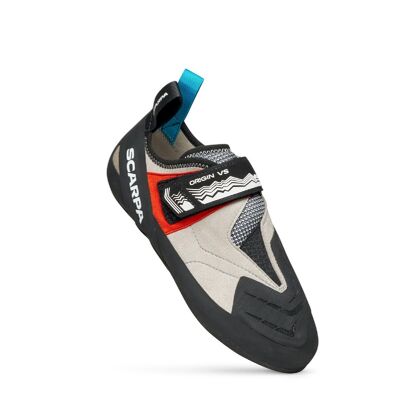
3 models of men's climbing shoes for indoor climbing:
Choosing Men's Climbing Shoes Based on Your Level
It is important to choose your men's climbing shoes based on the terrain you are climbing on, but it is also important to choose them based on your level.
Men's Climbing Shoes: Beginner Level
For a beginner in climbing, comfort should be one of your priorities: you should feel relatively comfortable in your men's climbing shoes. Your feet should be properly supported but not too cramped. To choose men's climbing shoes that fit your feet, it is best to have your feet measured by a professional. You will then start from the given size, gradually adding or subtracting sizes to find the one that suits you. As a beginner, opt for men's climbing shoes that are flat or slightly cambered. They will ensure good comfort and are suitable for easy route or bouldering holds. For a beginner, enjoying climbing is important: your progression will be much faster!
3 models of men's climbing shoes for beginners:
-Wall Street -Millet
Men's Climbing Shoes: Intermediate Level
For intermediate climbers, more technical men's climbing shoes are in order. Comfort will be slightly reduced, as your feet will need to be more snug in the shoes to improve your technique and provide better sensations. A slight asymmetrical shape is thus recommended to gradually refine your climbing technique. The same goes for the camber, which can be increased depending on the type of wall you wish to climb.
Men's Climbing Shoes: Expert Level
For someone at a high climbing level, the accumulated experience generally allows you to choose your men's climbing shoes easily. You usually know your climbing style and the characteristics you expect from a climbing shoe. At this stage, the levels of camber and asymmetry will be quite high for more precise technique.
3 models of men's climbing shoes for expert level:
Choosing the Right Size for Men's Climbing Shoes
To ensure your men's climbing shoes fit properly, the test is simple: your foot should not move inside the shoe and should be well supported. Vary the sizes based on your usual size or the one measured by a professional until you reach the right feel. With asymmetrical and cambered shoes, you must be sure you can tolerate the additional discomfort they provide. For those who wish to wear socks while climbing, we recommend choosing thinner socks when trying on your shoes. This will help avoid creating too much of a size difference when you are barefoot.
Wearing Socks for Climbing: Is It Possible?
This question is debated within the climbing community. Two schools of thought thus emerge among climbers. The first states that socks reduce climbing sensations and thus precision. The second states that socks help limit the formation of odours and blisters while keeping narrow feet more secure, especially in velcro shoes. To settle the question, it is up to you to try climbing with or without socks to form your own opinion on the matter.
Buy the Men's Climbing Shoes You Need at Hardloop.co.uk
At Hardloop.co.uk, you will find all types of men's climbing shoes: for sport climbing, long routes, beginners, experts, bouldering... We work with the leading brands of men's climbing shoes to offer you an ever more qualitative choice tailored to your practice and level.