
Pédales vélo & VTT
(118)

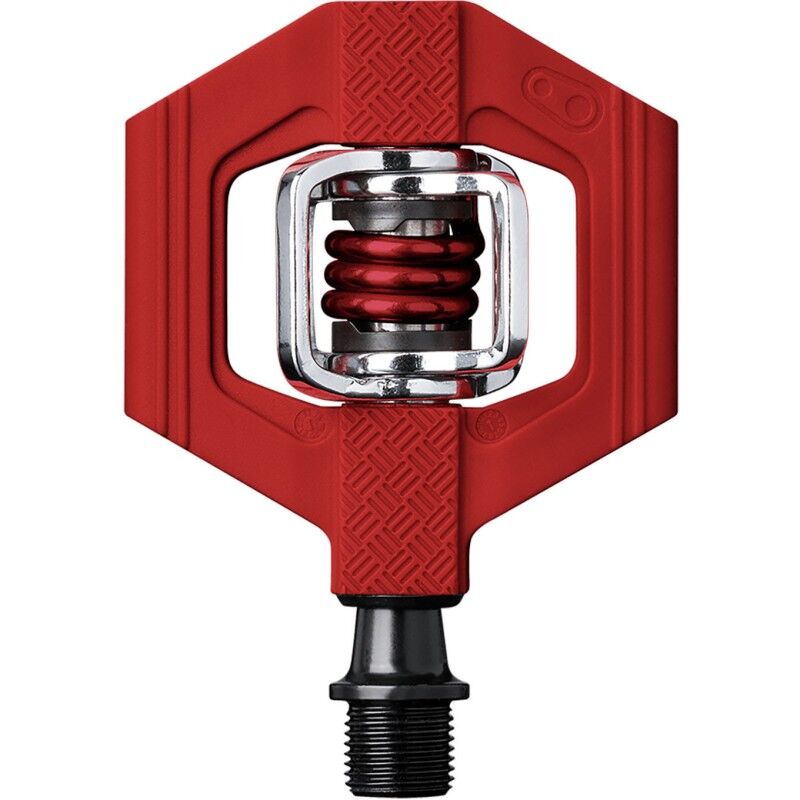
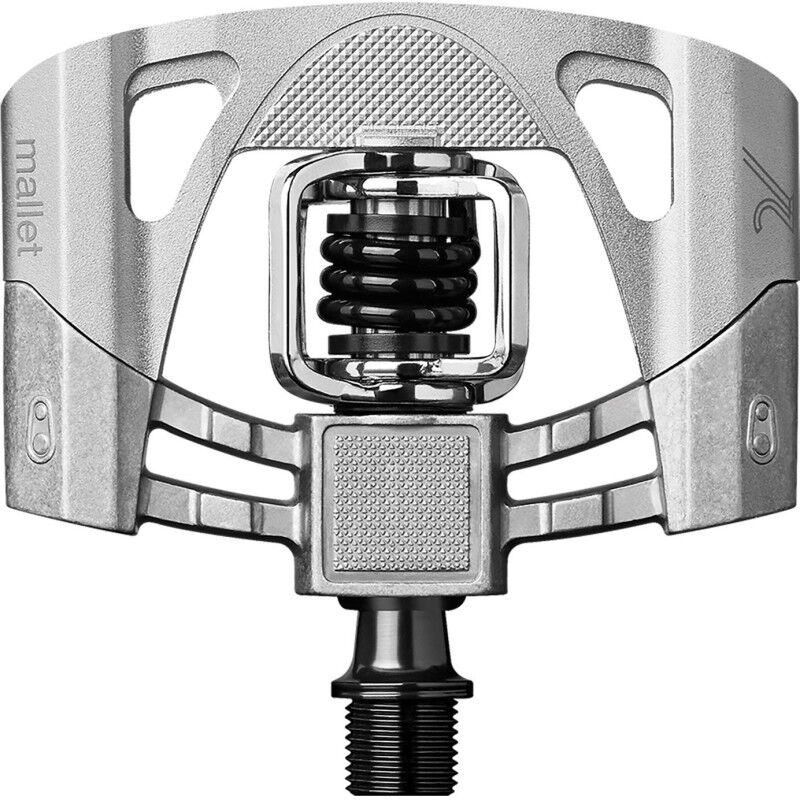
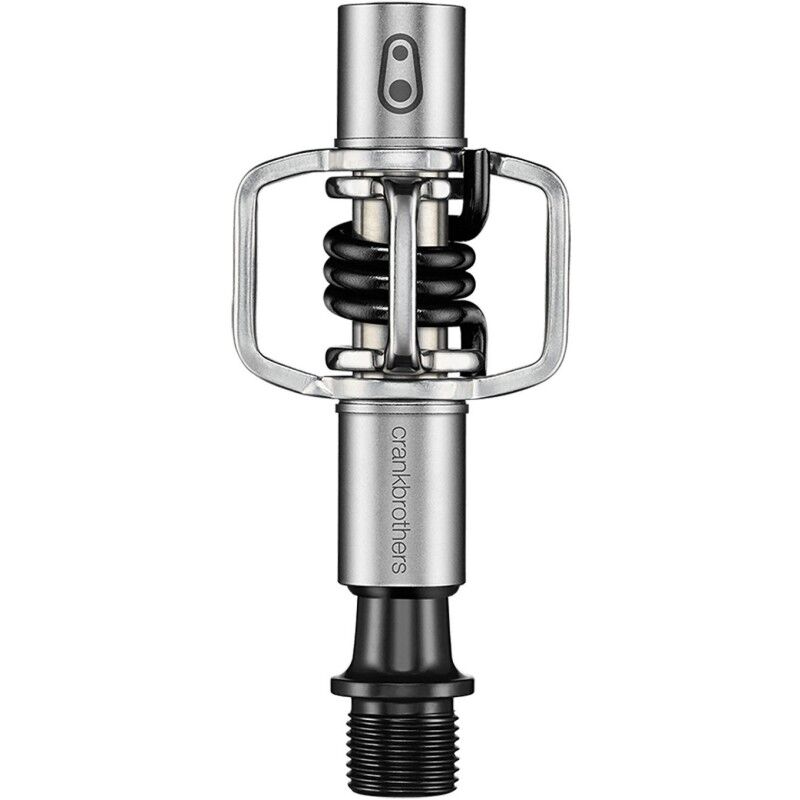
What are the different types of bike pedals?
In the market, we mainly distinguish three main types of bike pedals:
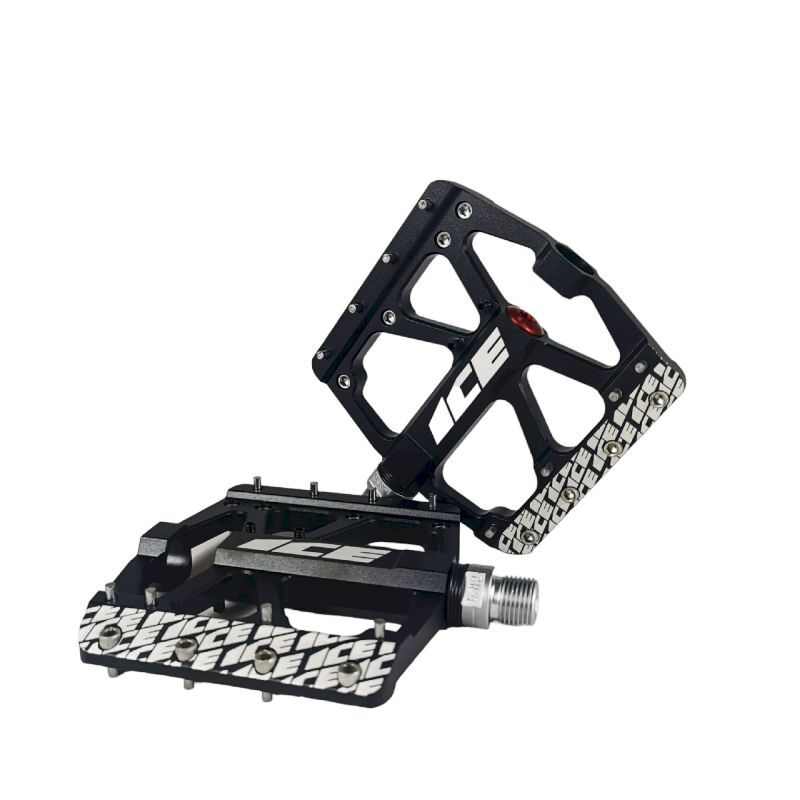
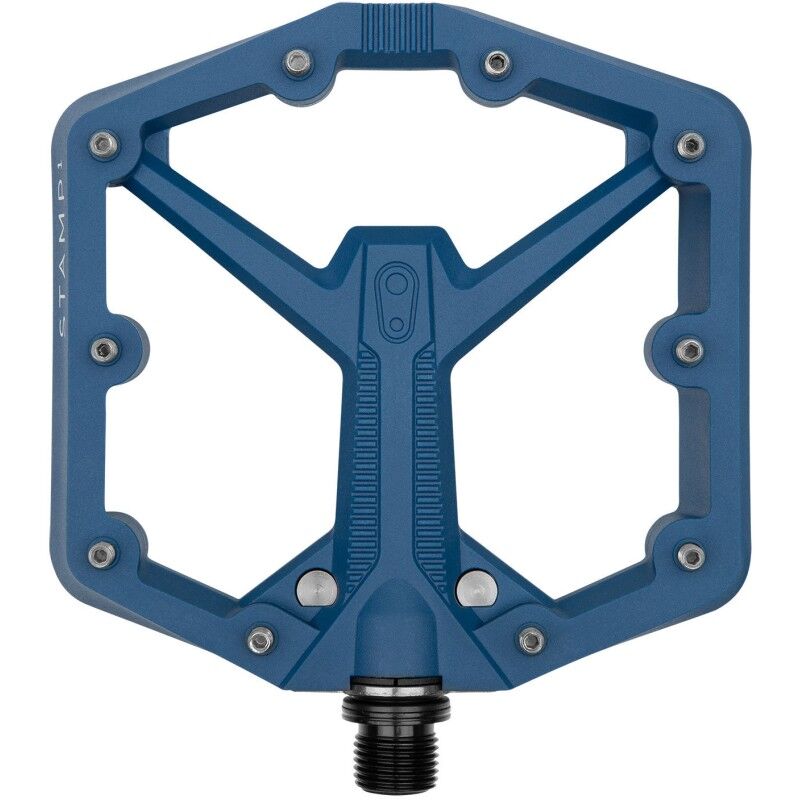
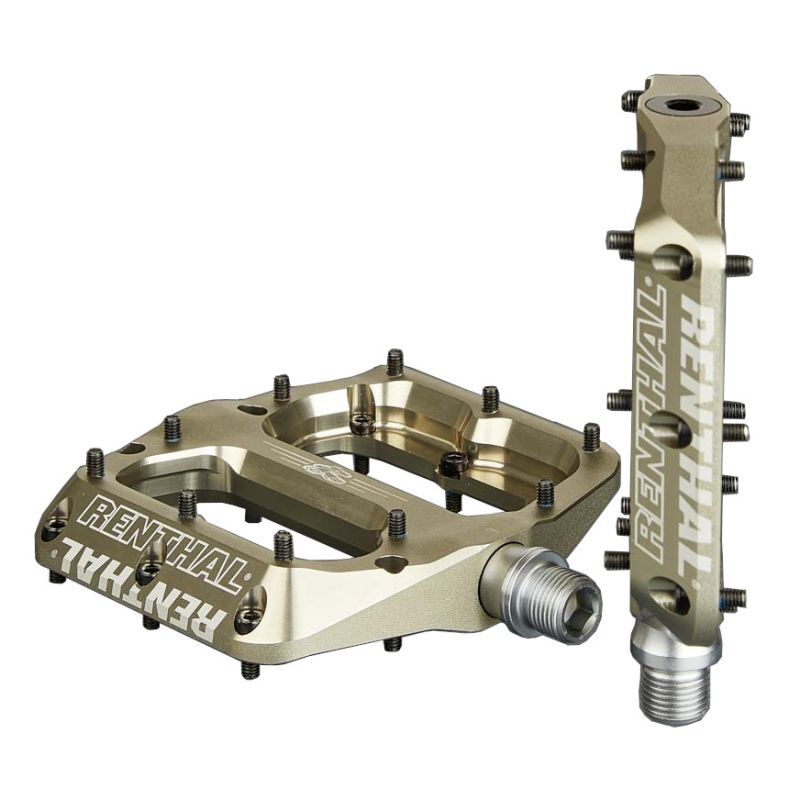
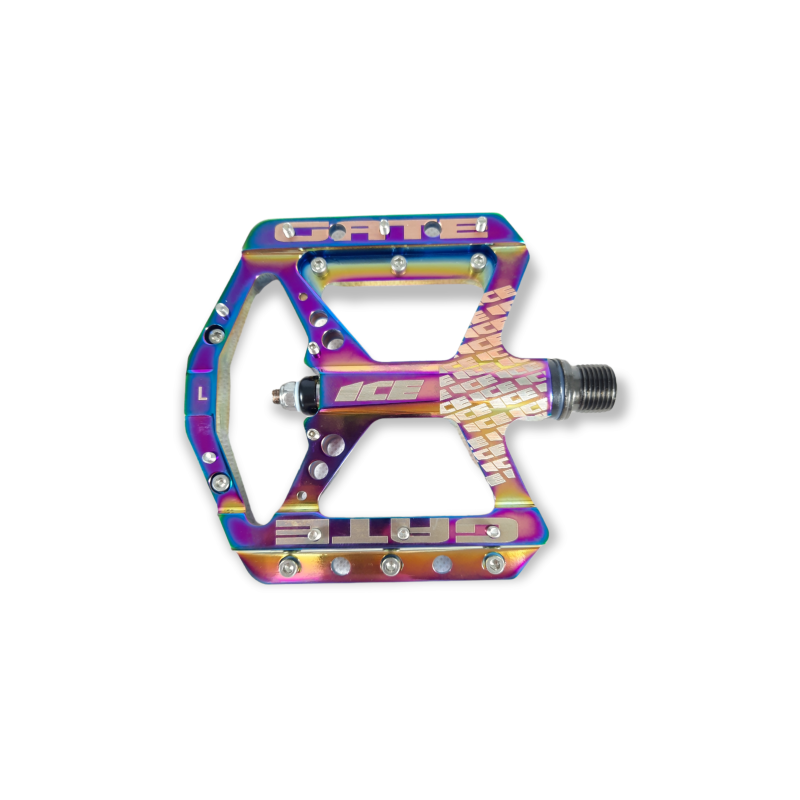
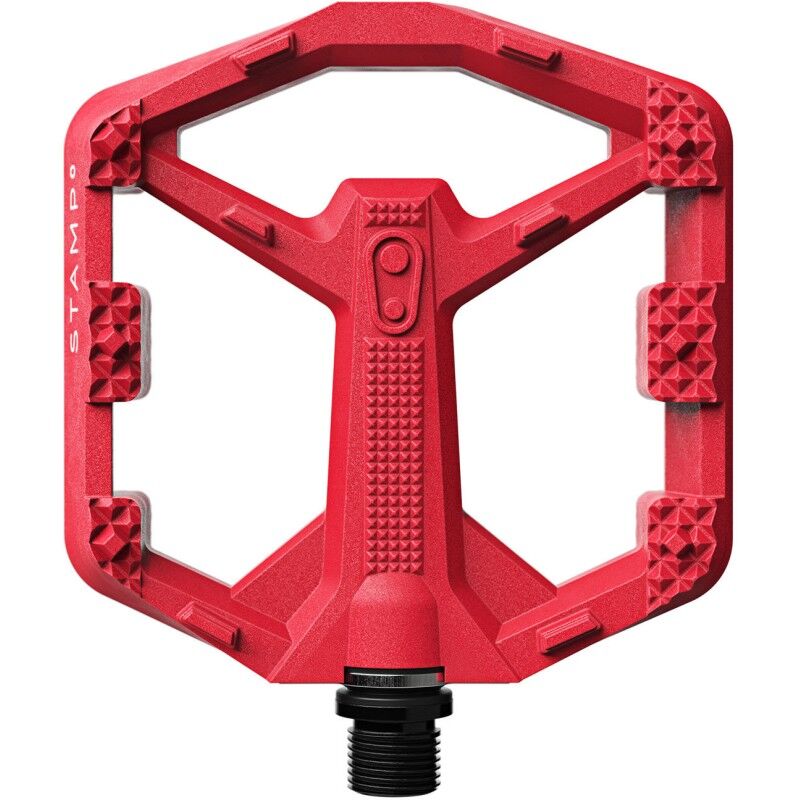
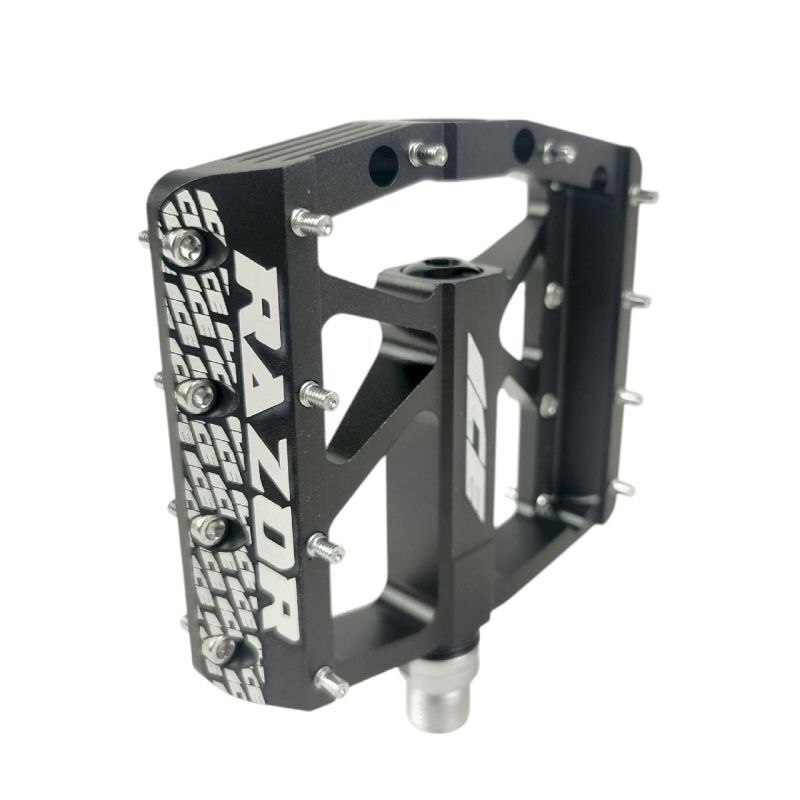
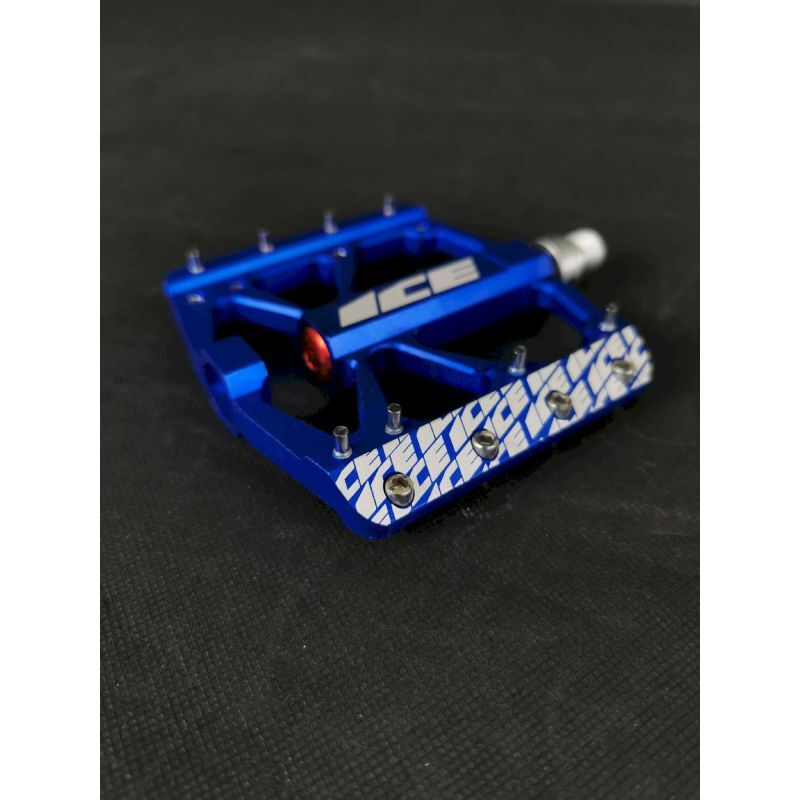
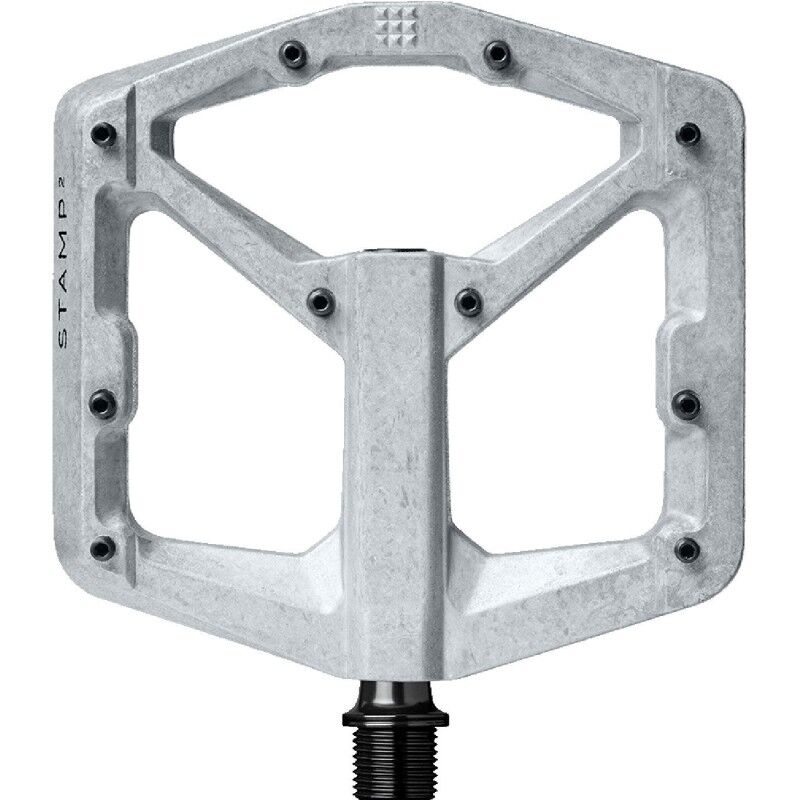
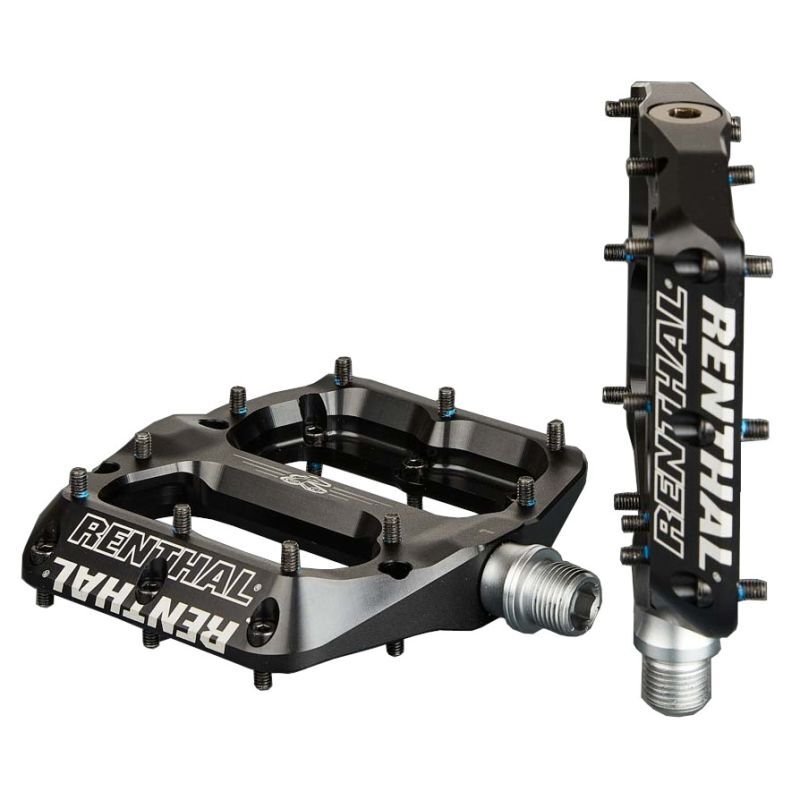
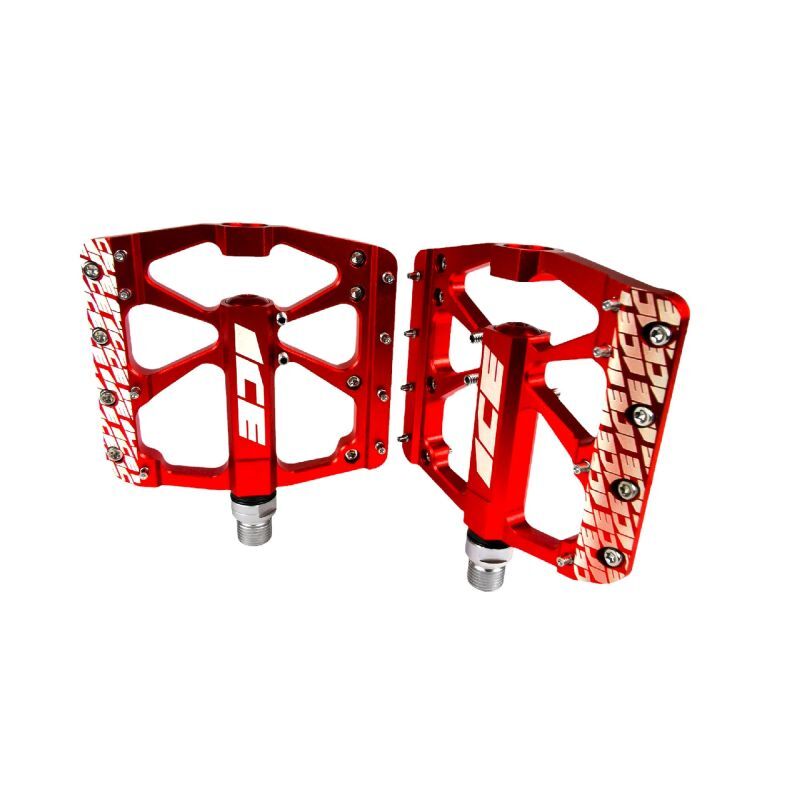
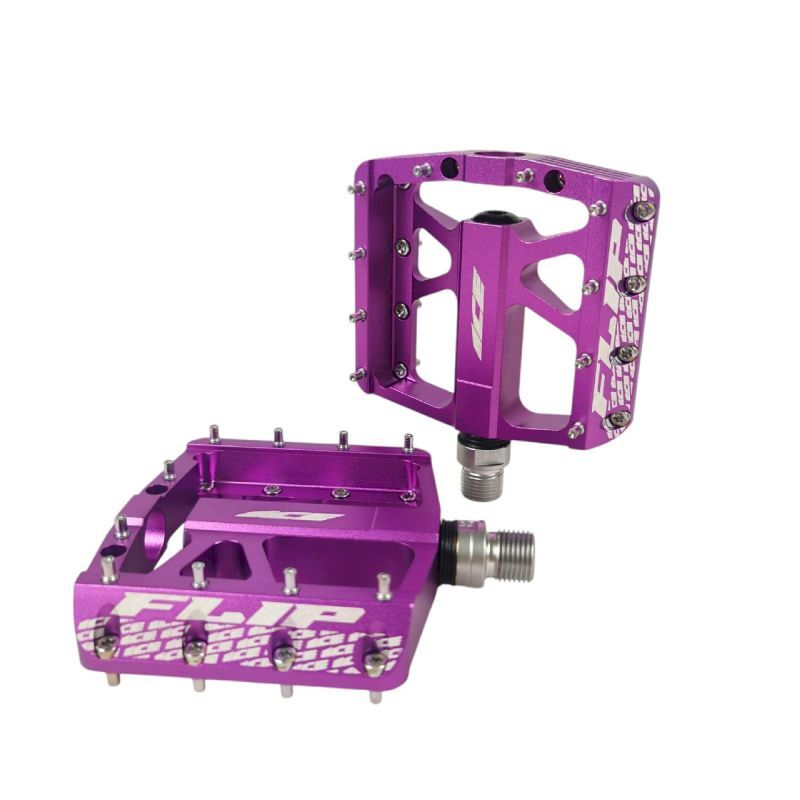
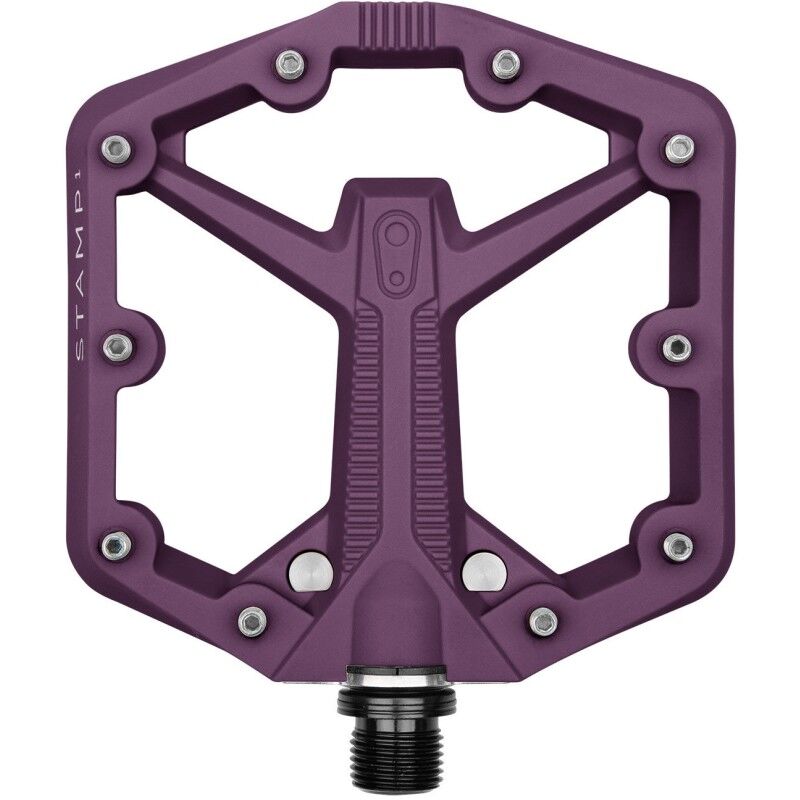
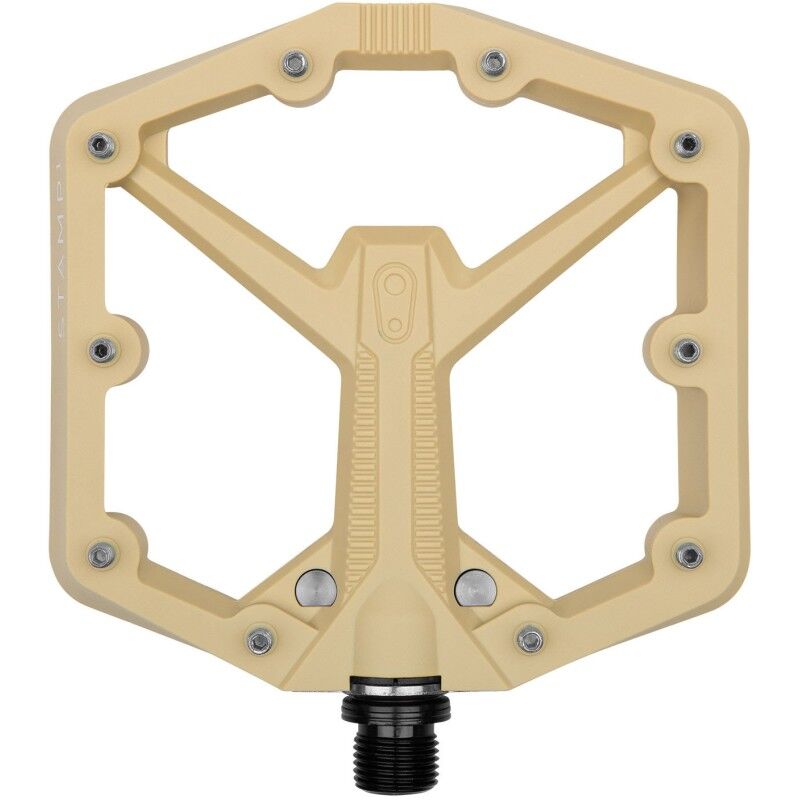
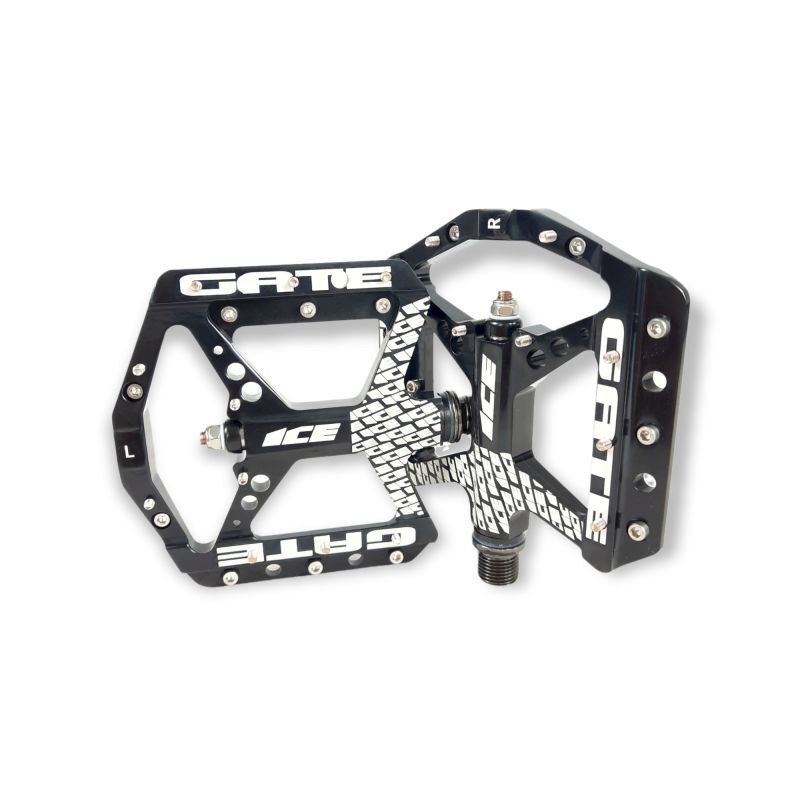
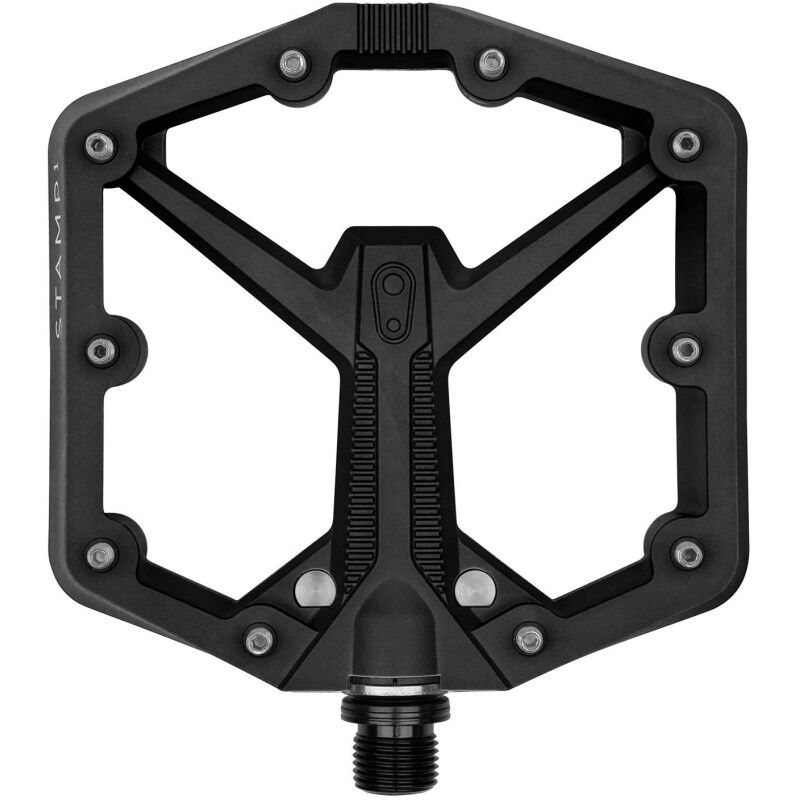
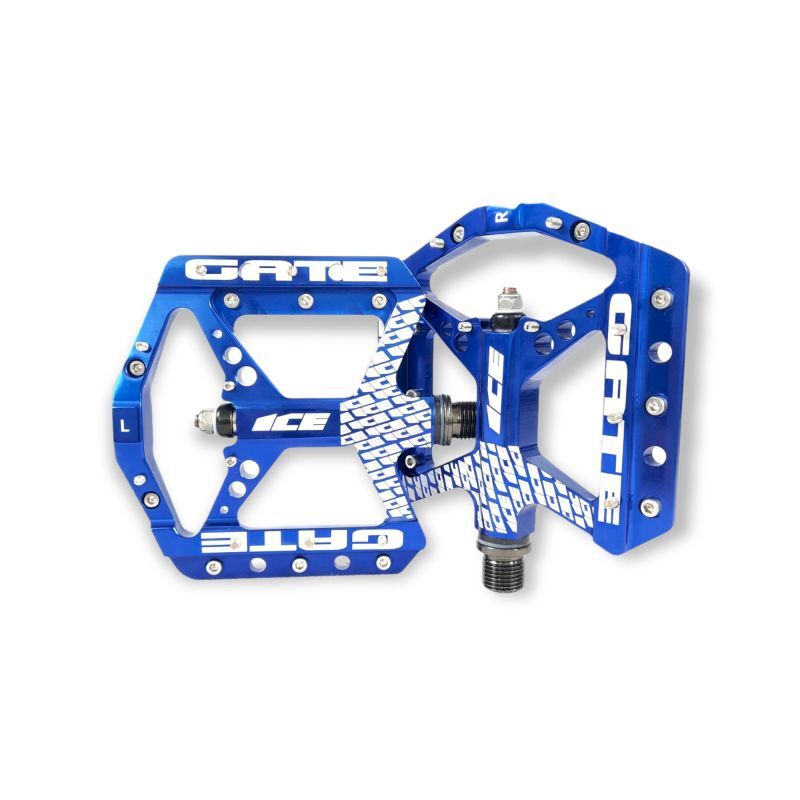
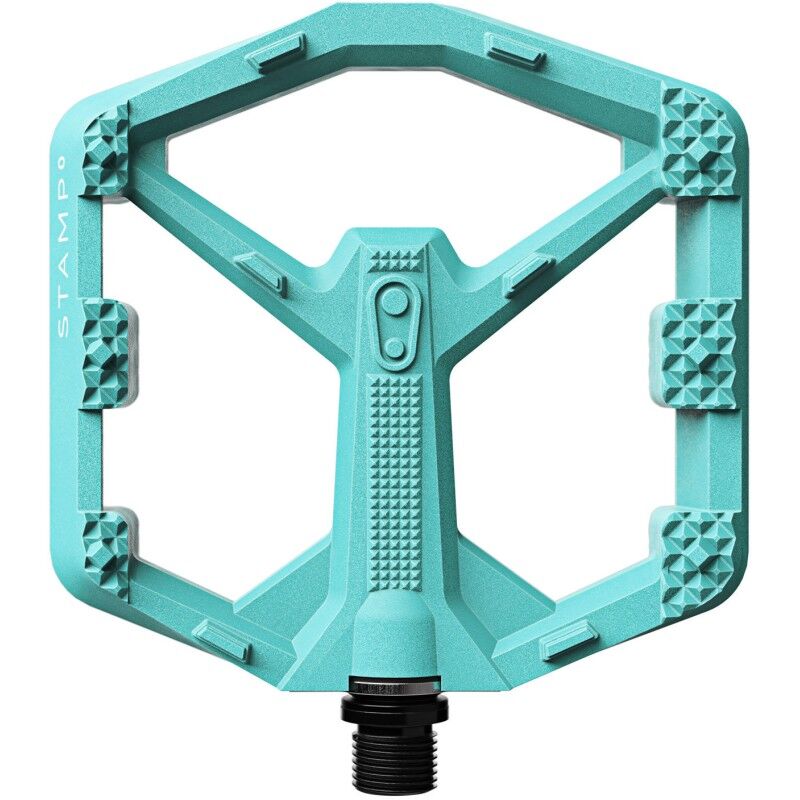
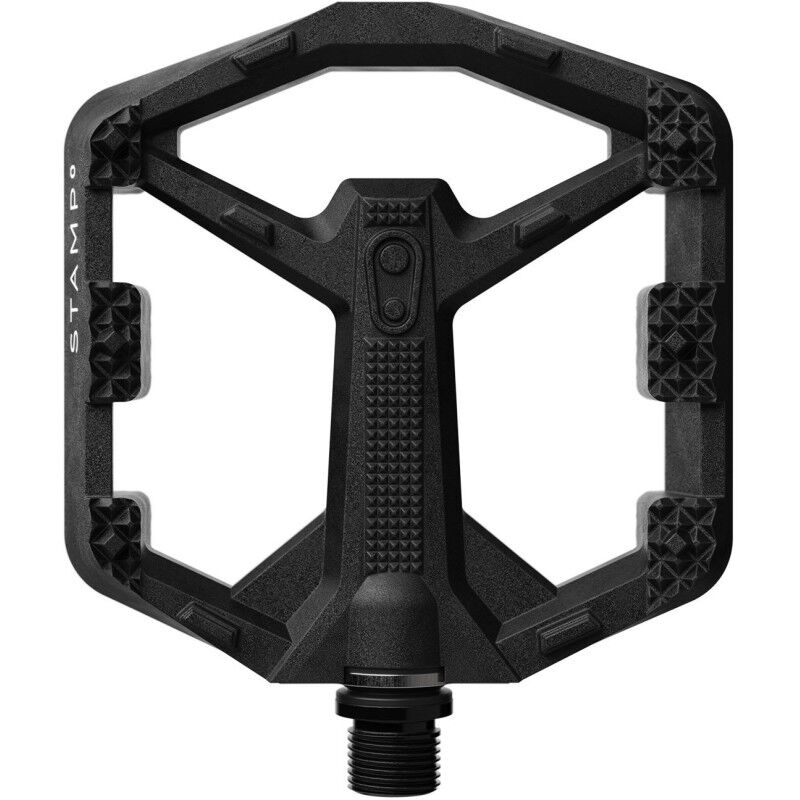
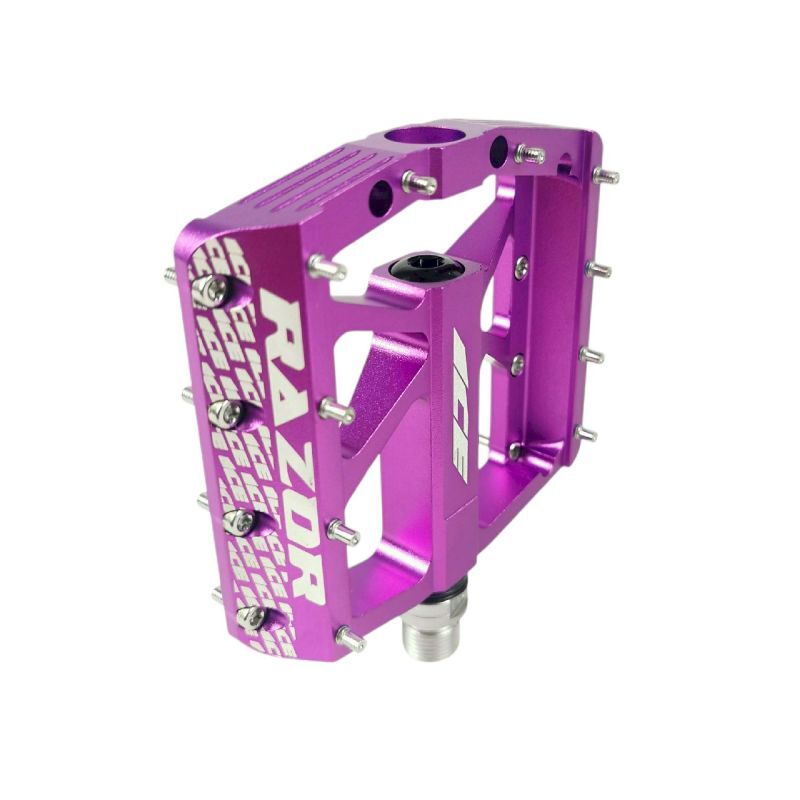
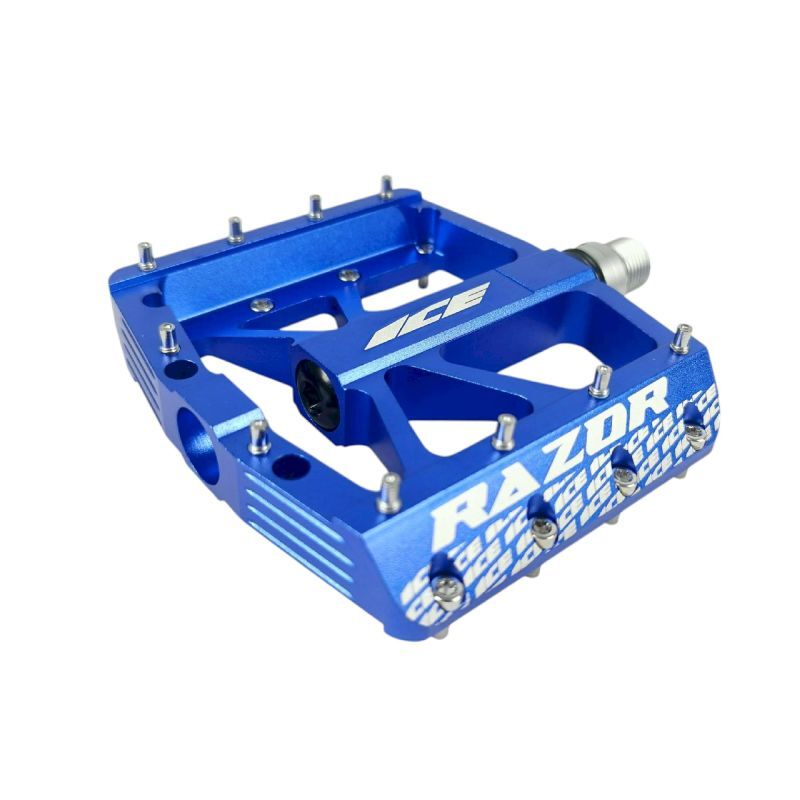
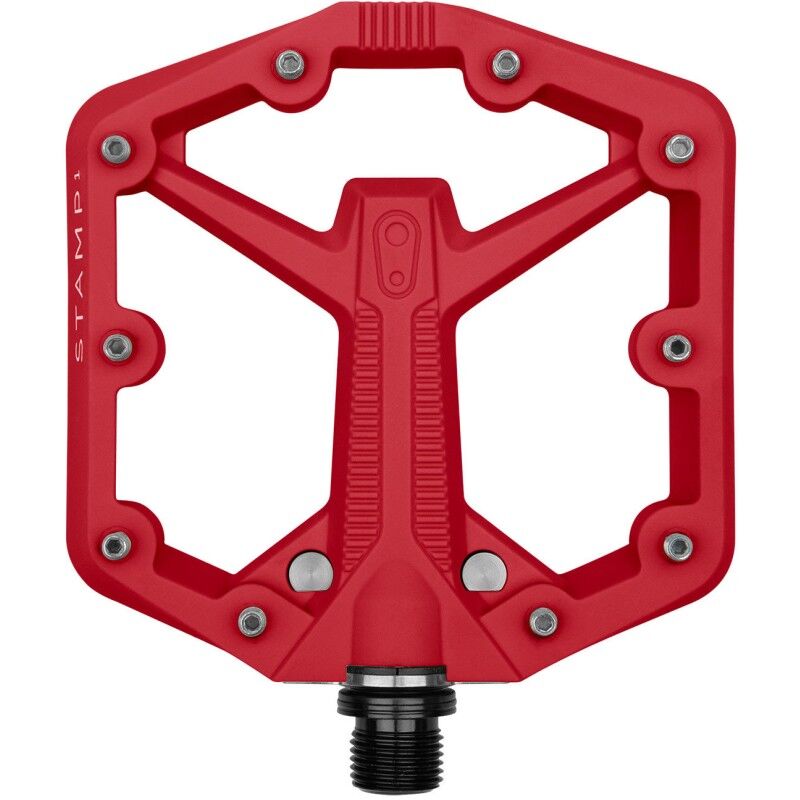
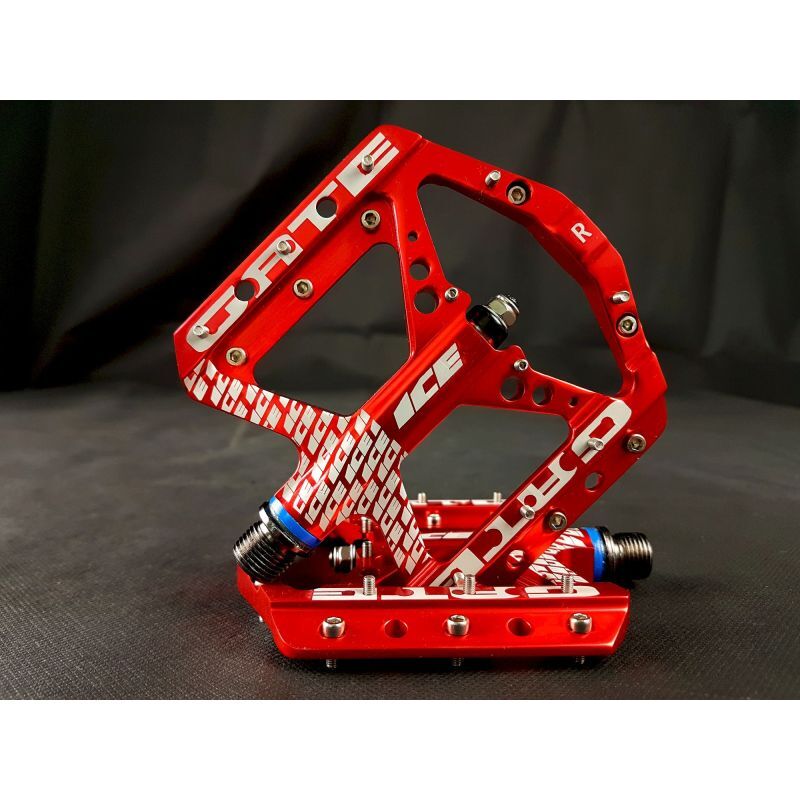
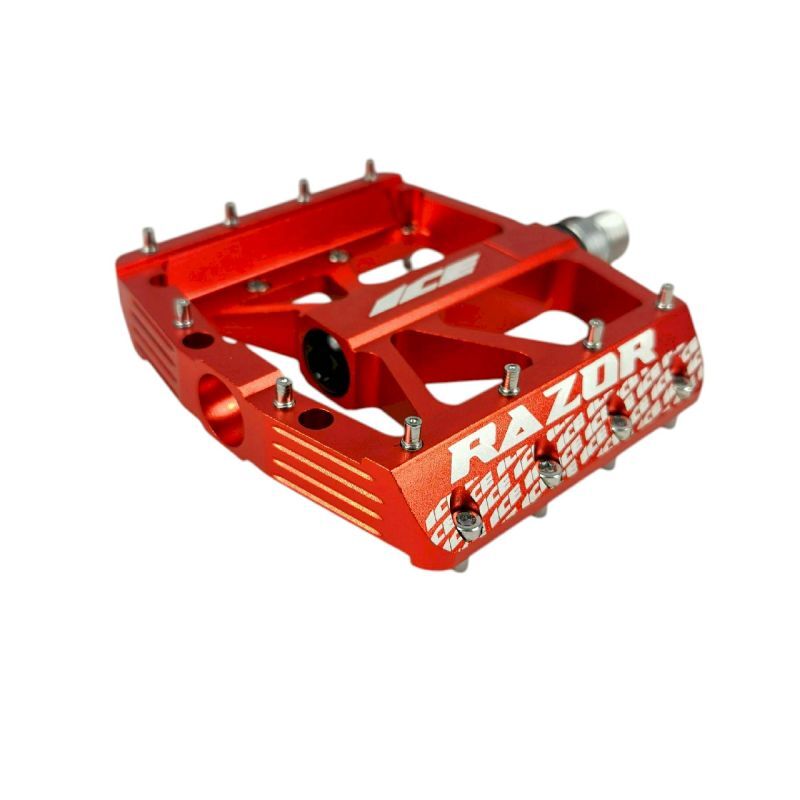
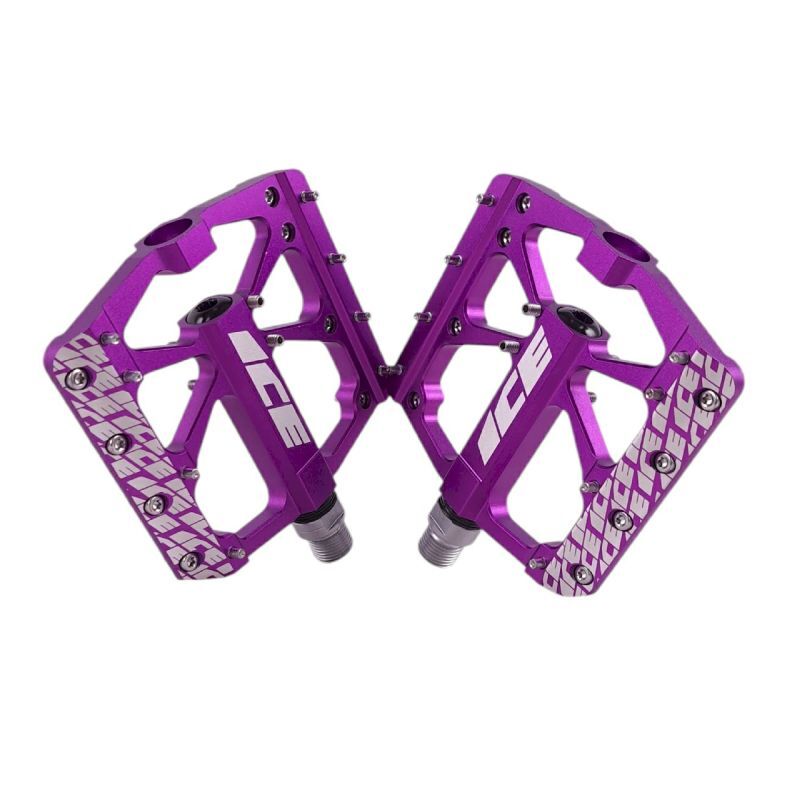
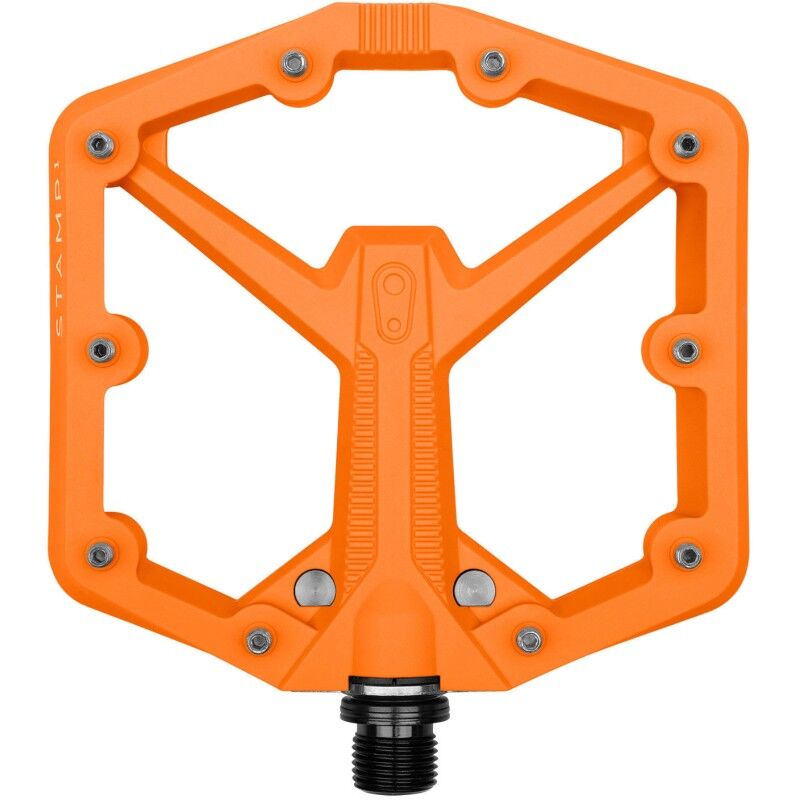
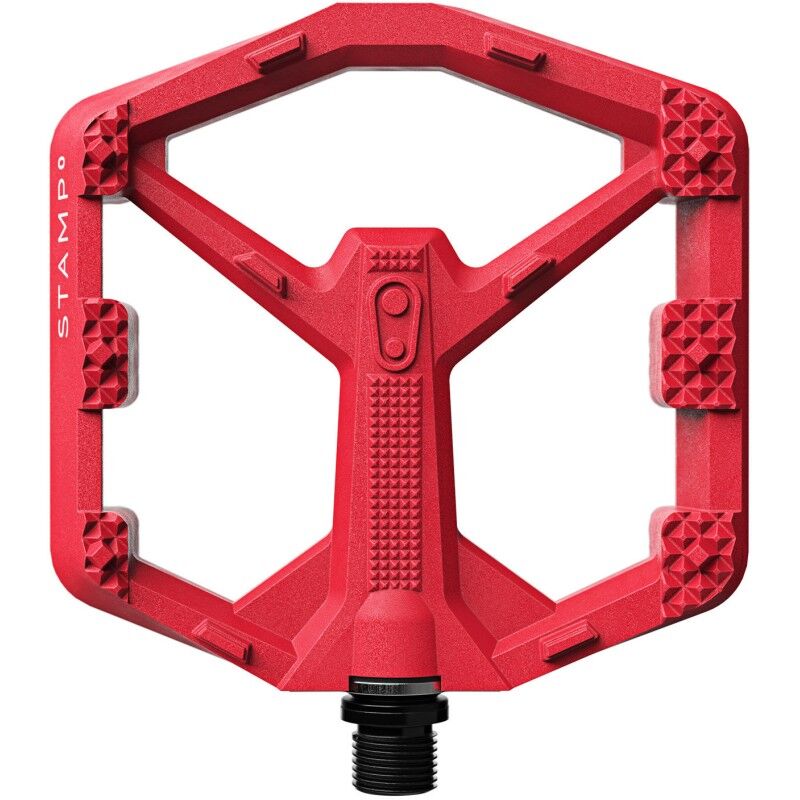
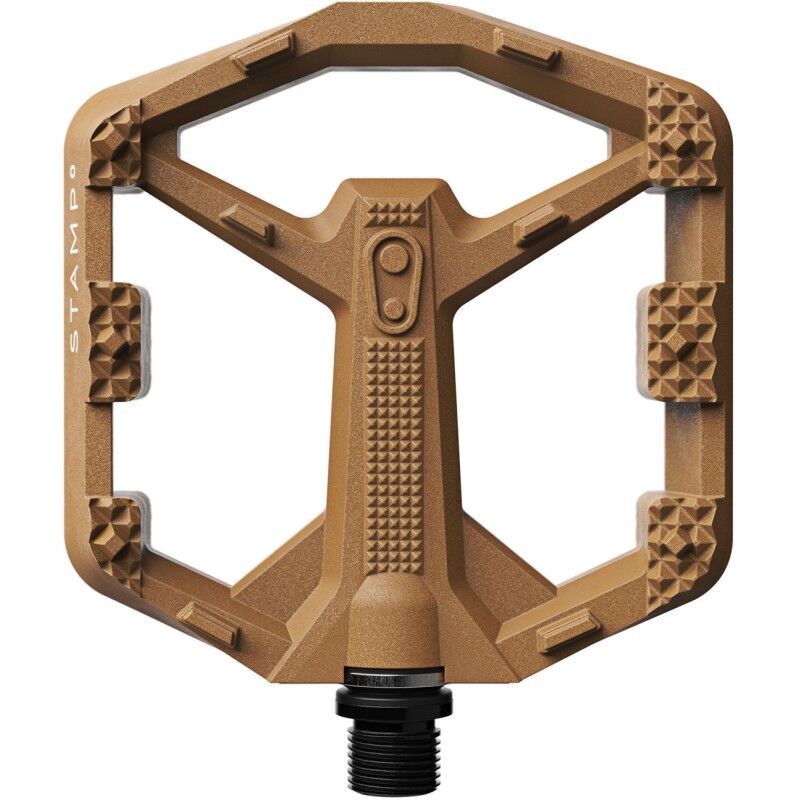
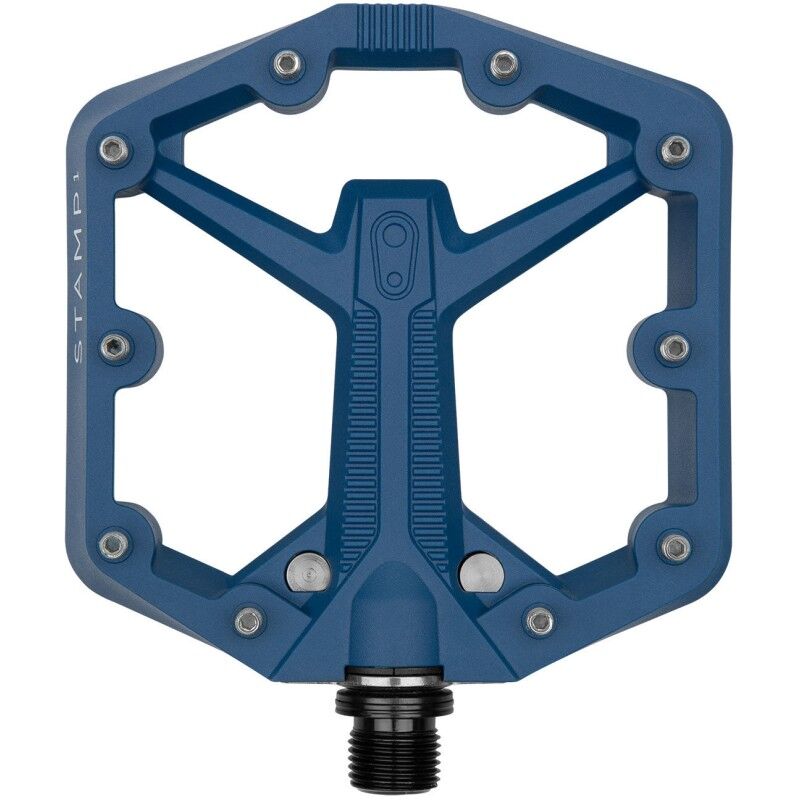
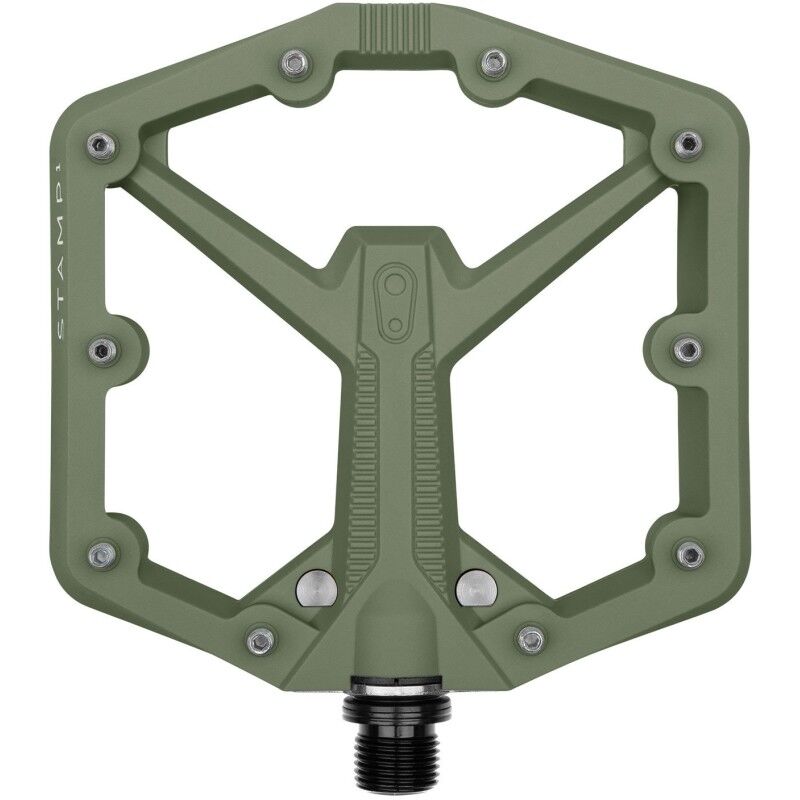
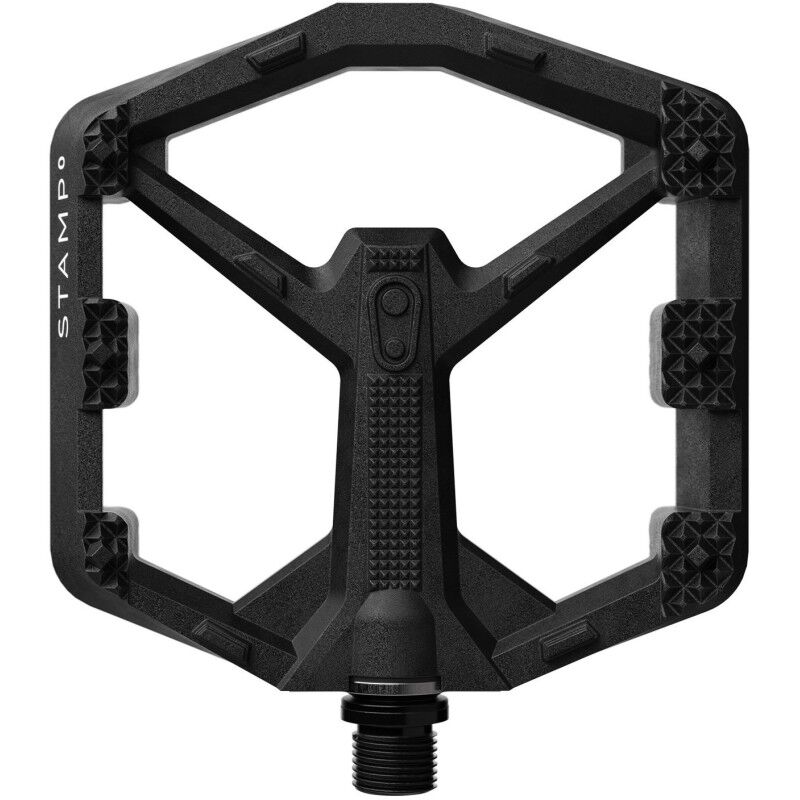
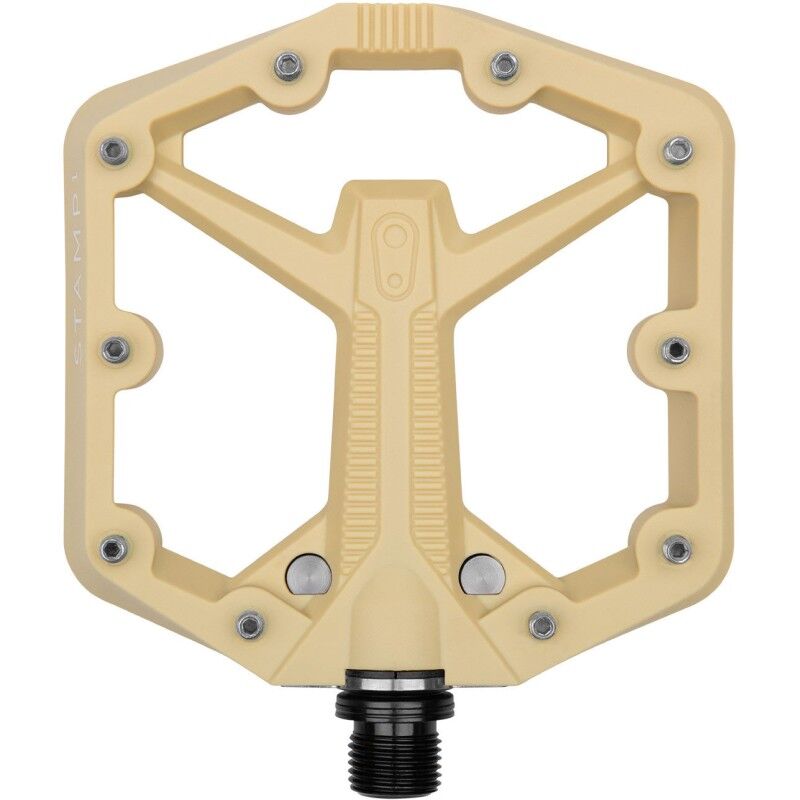
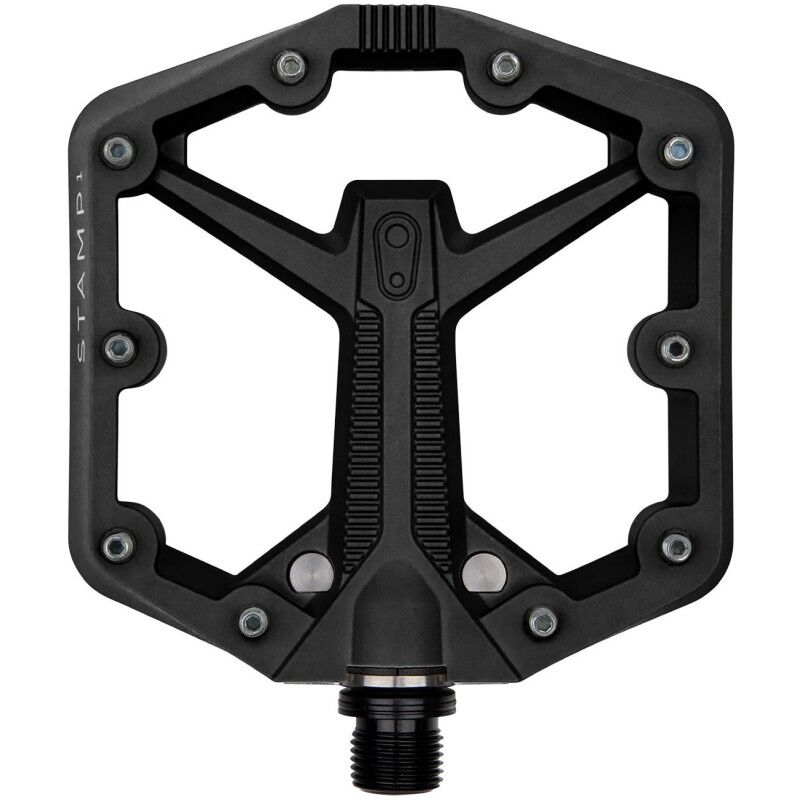
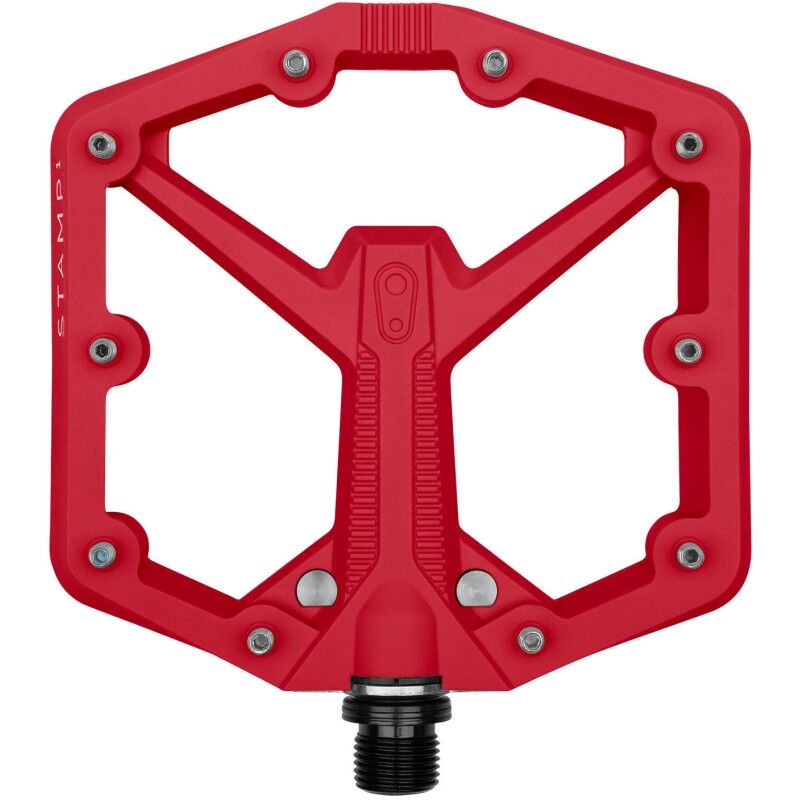
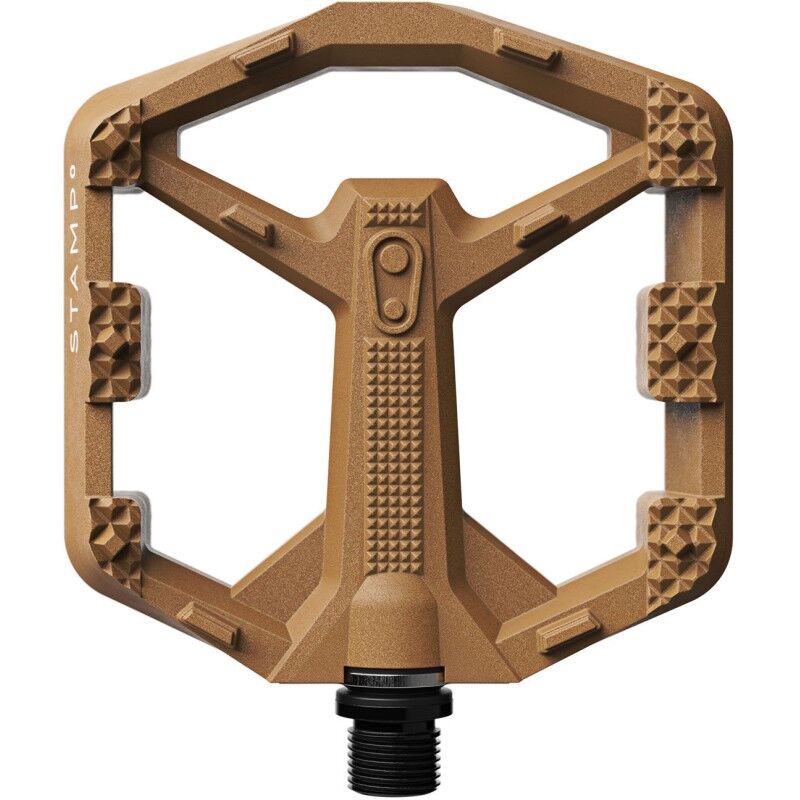
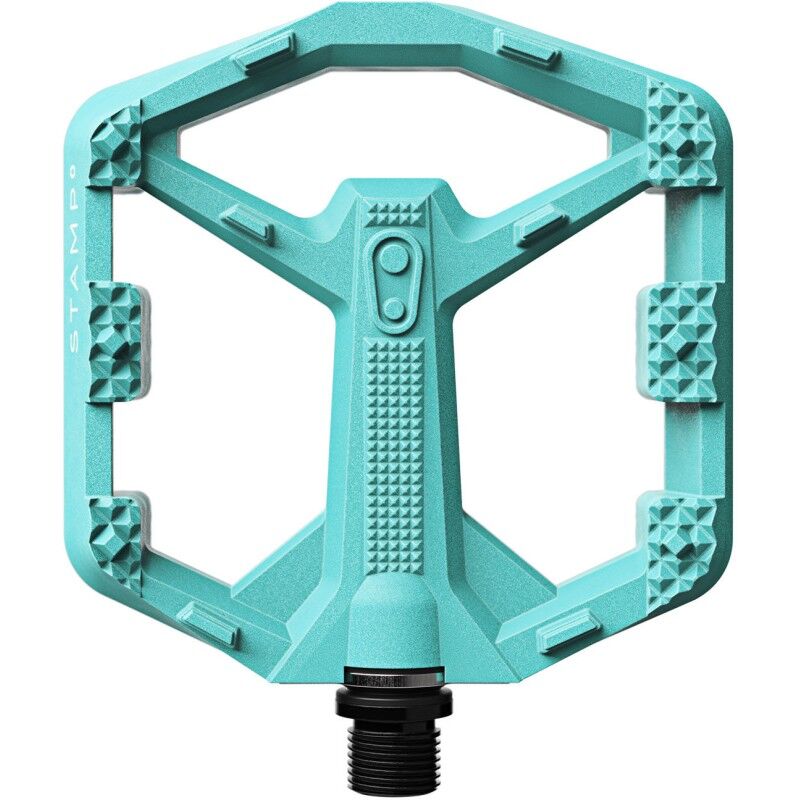
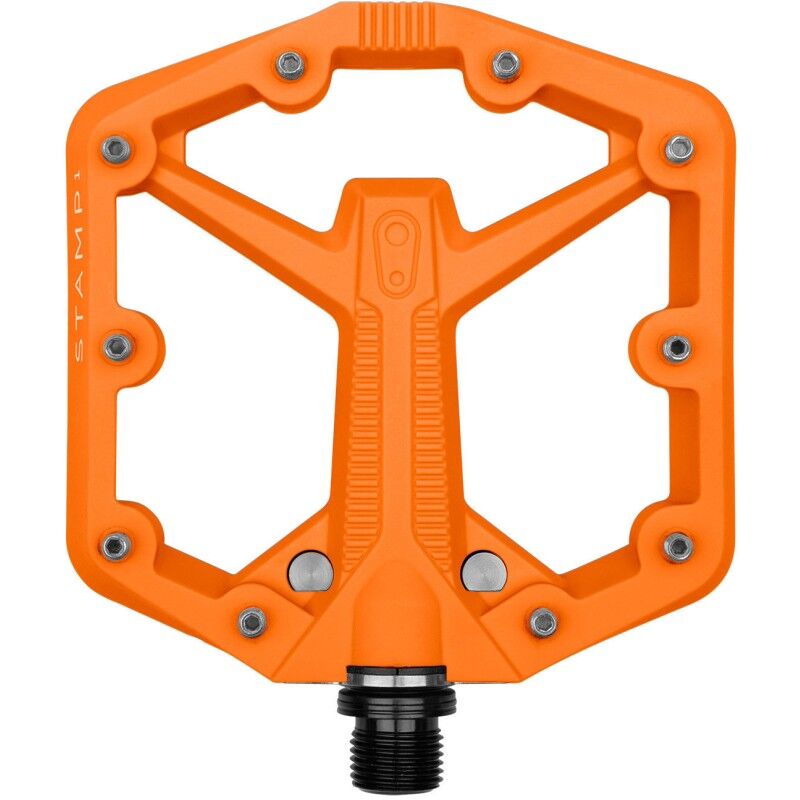
Flat pedals: simple and effective, they allow you to place and remove your foot at any time. Ideal for beginners, downhill mountain bikers, or those who enjoy maximum freedom of movement. Some are equipped with pins for better grip even in wet conditions.
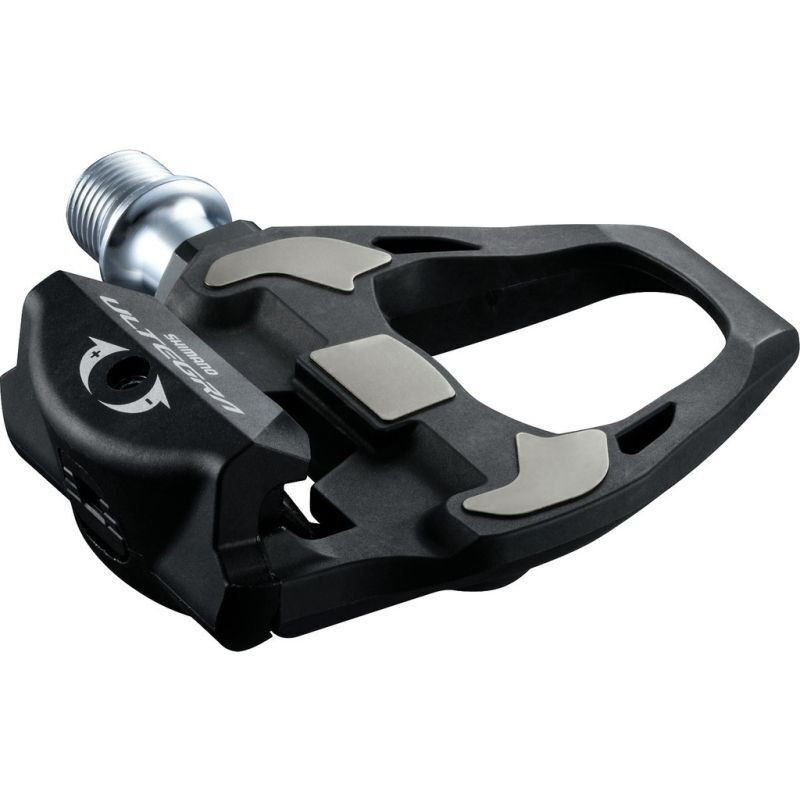
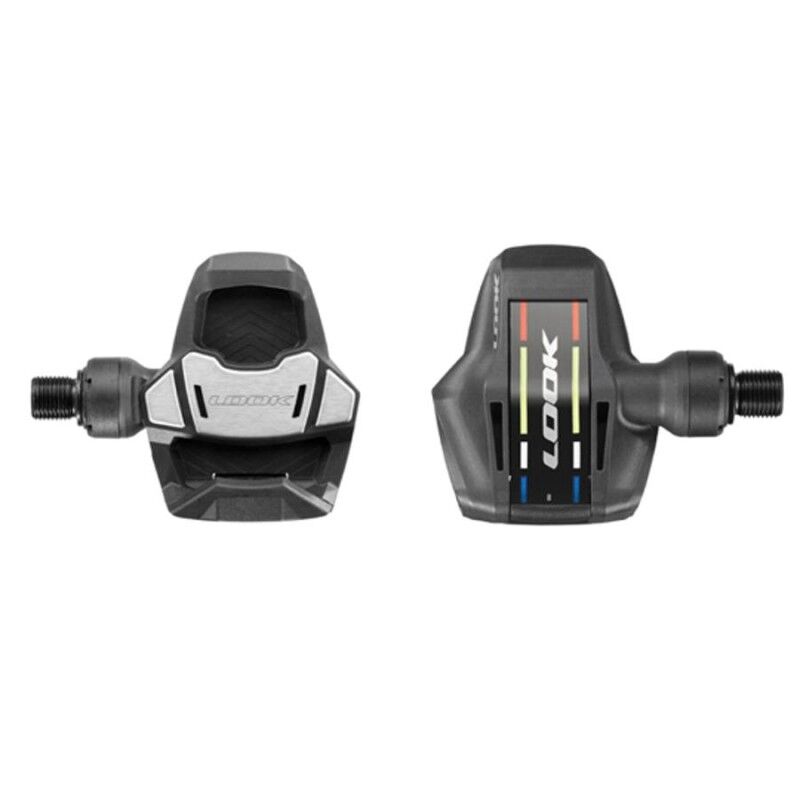
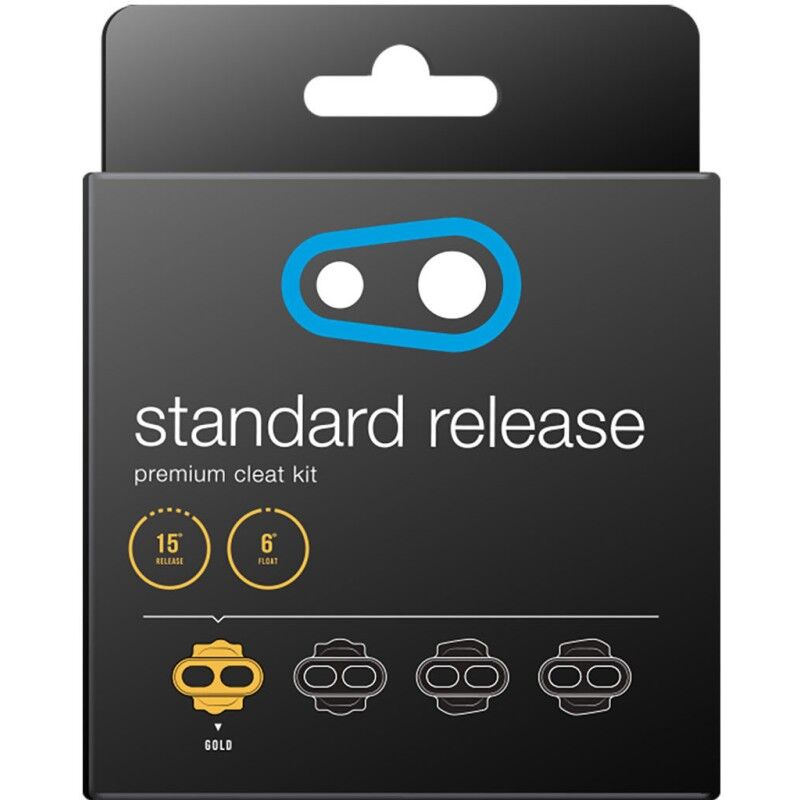
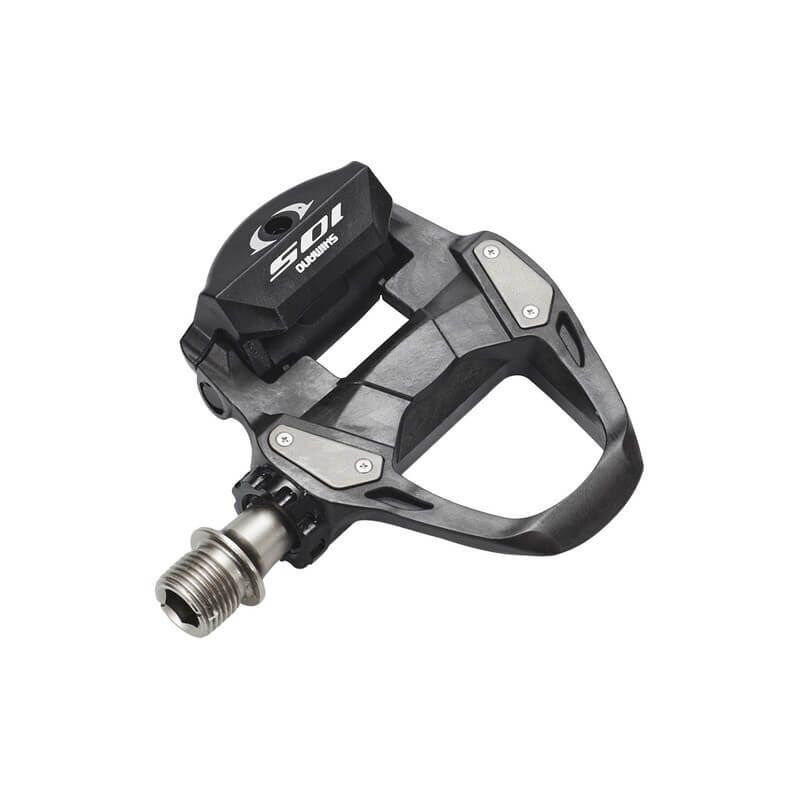
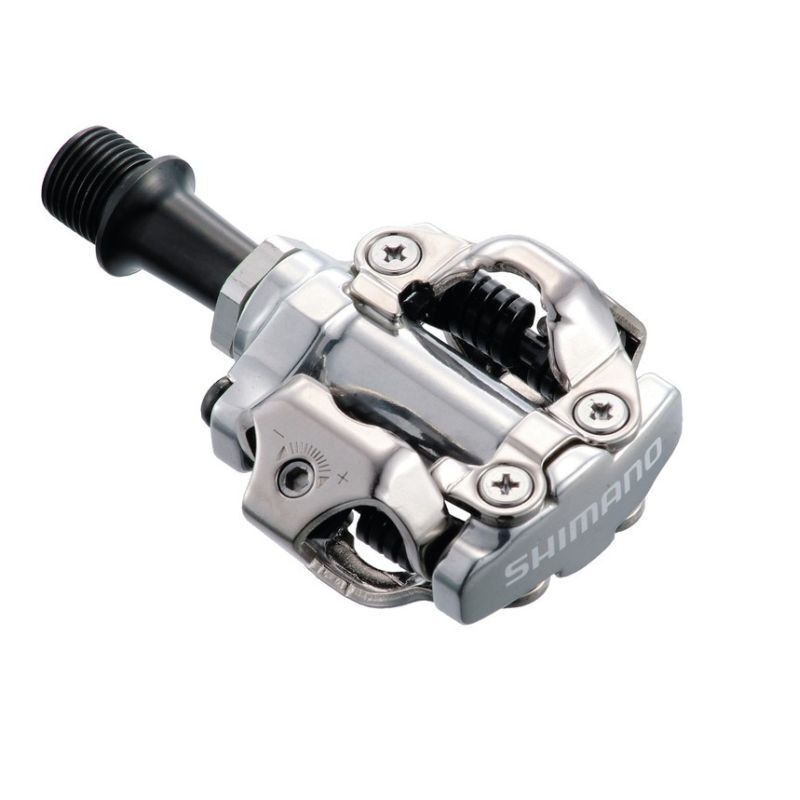
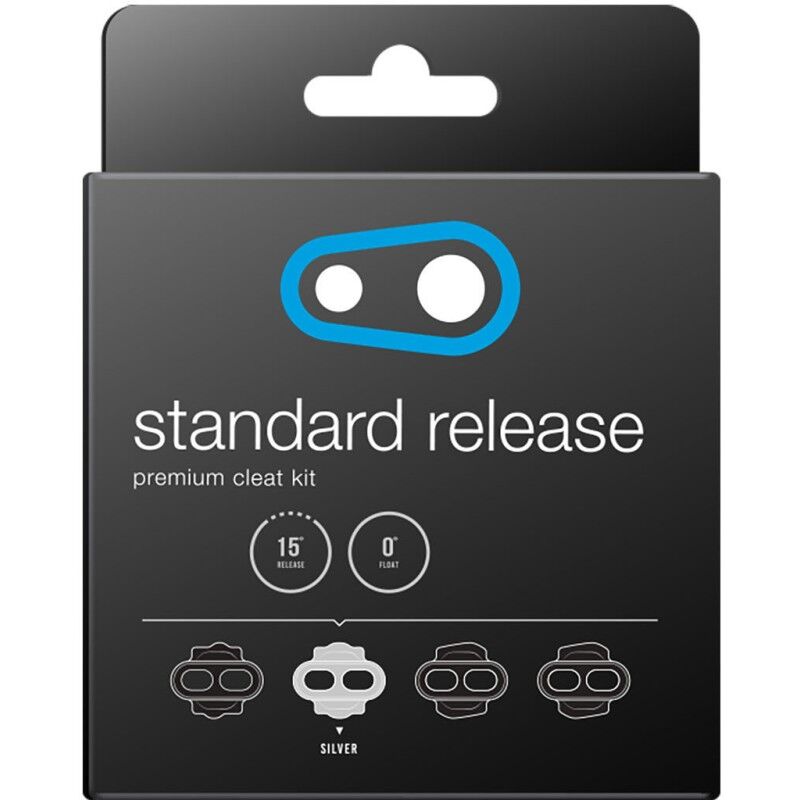
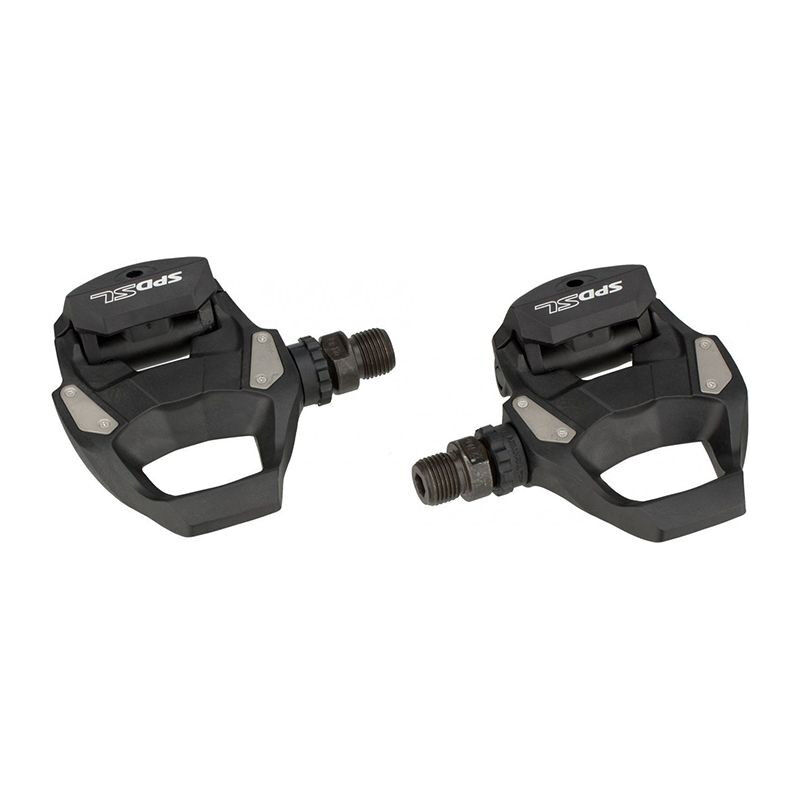
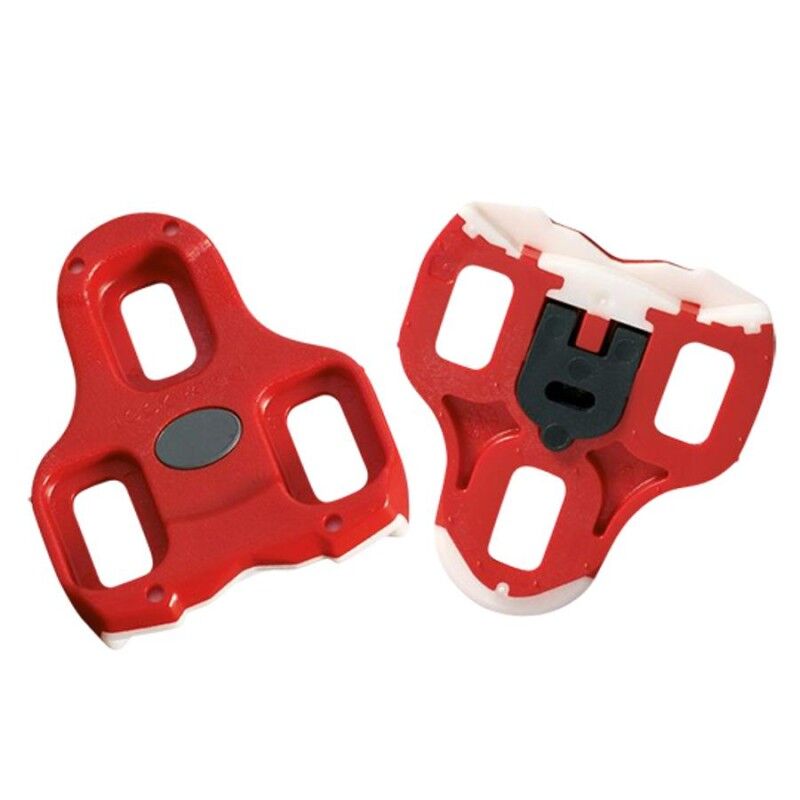
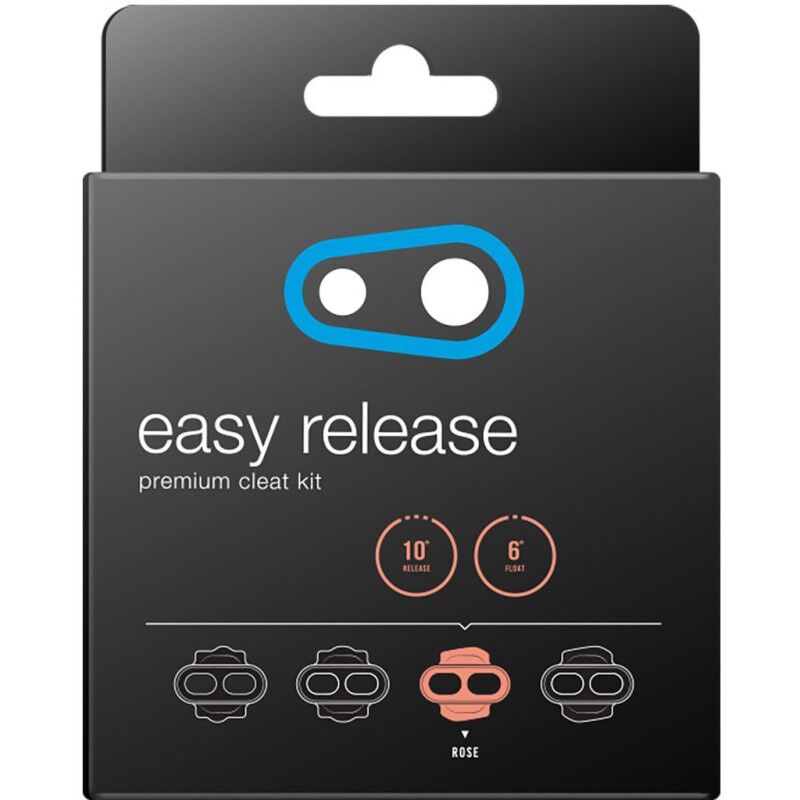
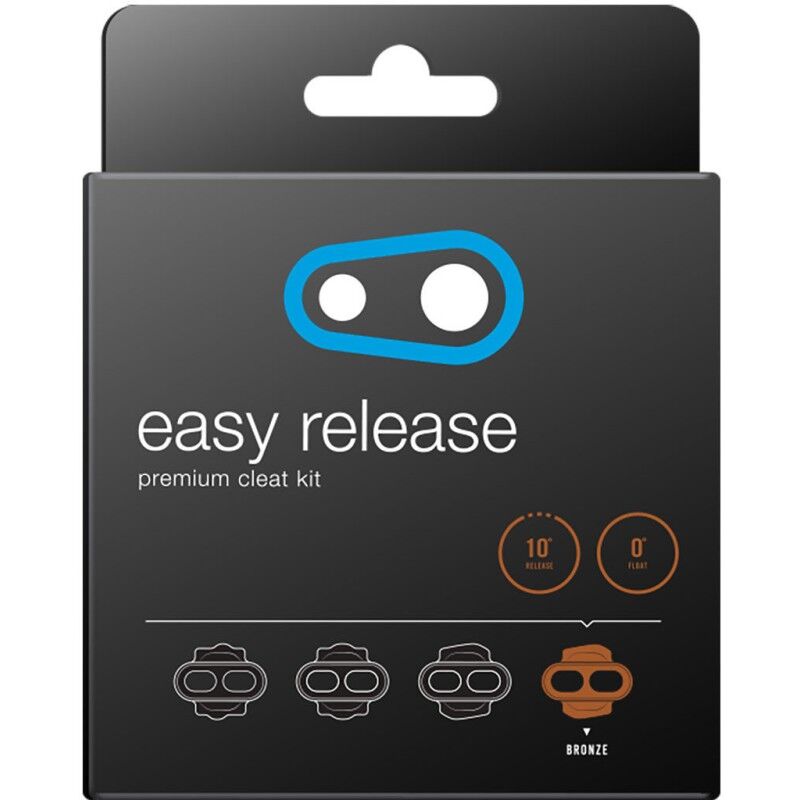
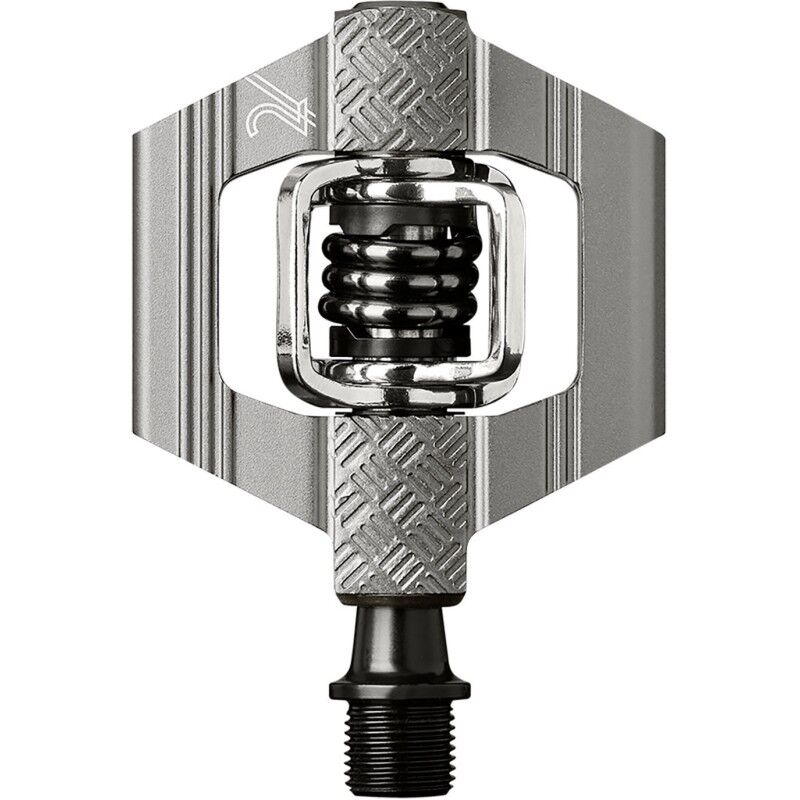
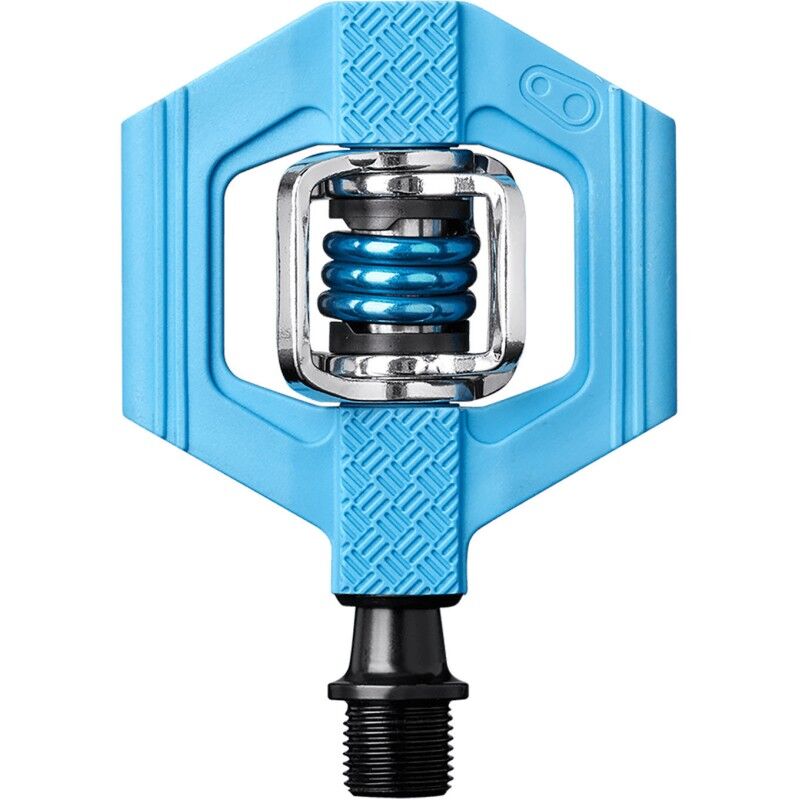
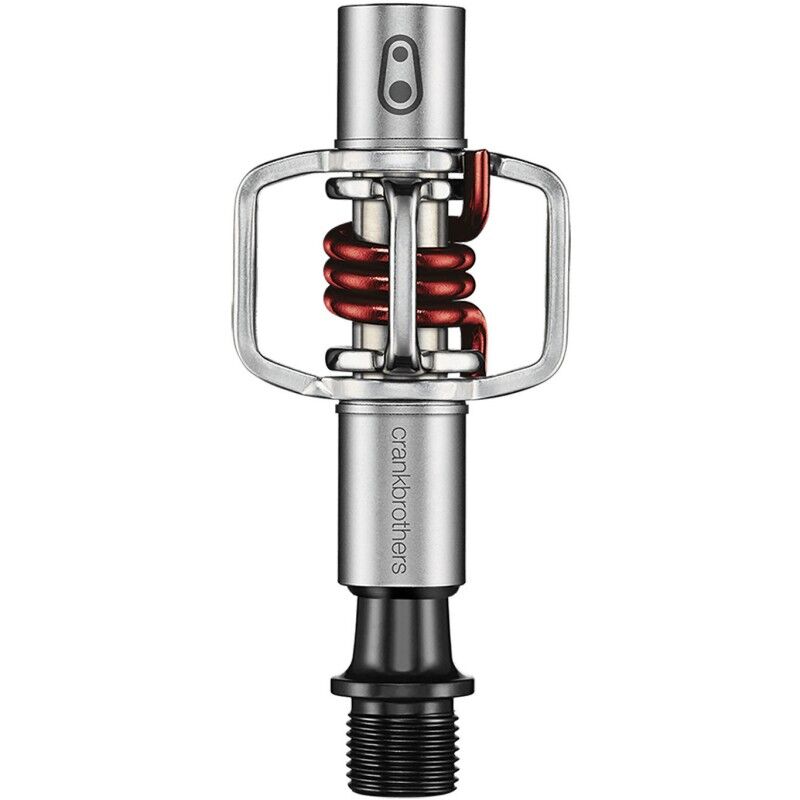
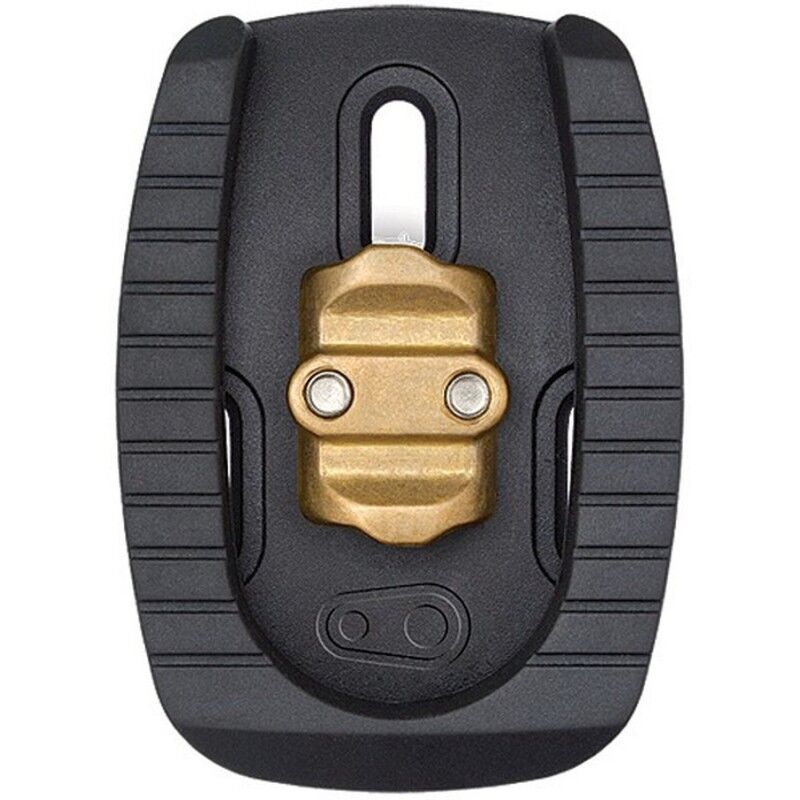
Clipless pedals: they attach to cleats, which are themselves attached to compatible cycling shoes. The advantage? Optimal power transfer and better stability, both on the road and in mountain biking.
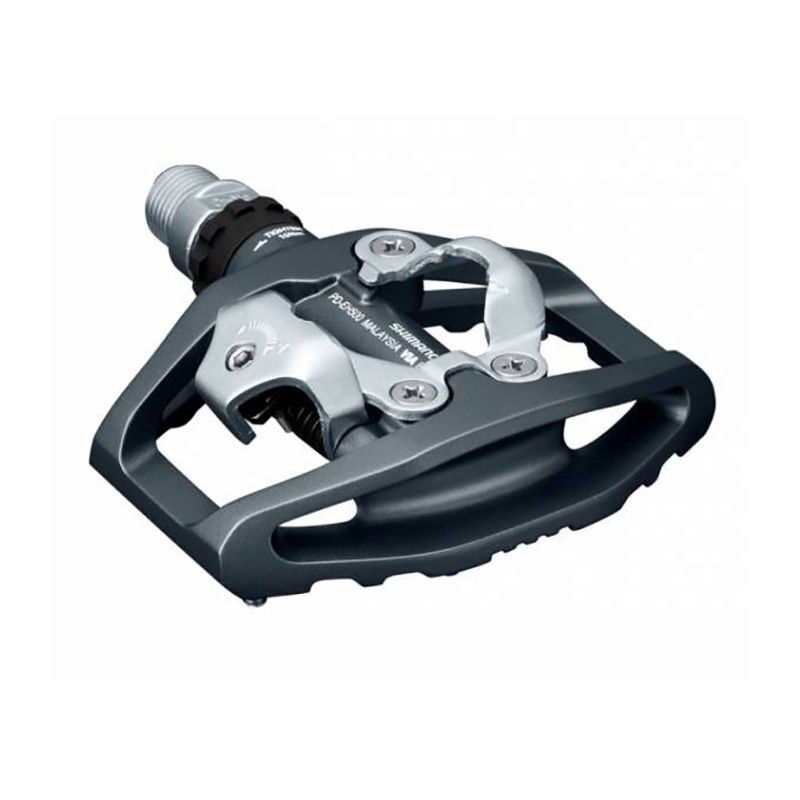
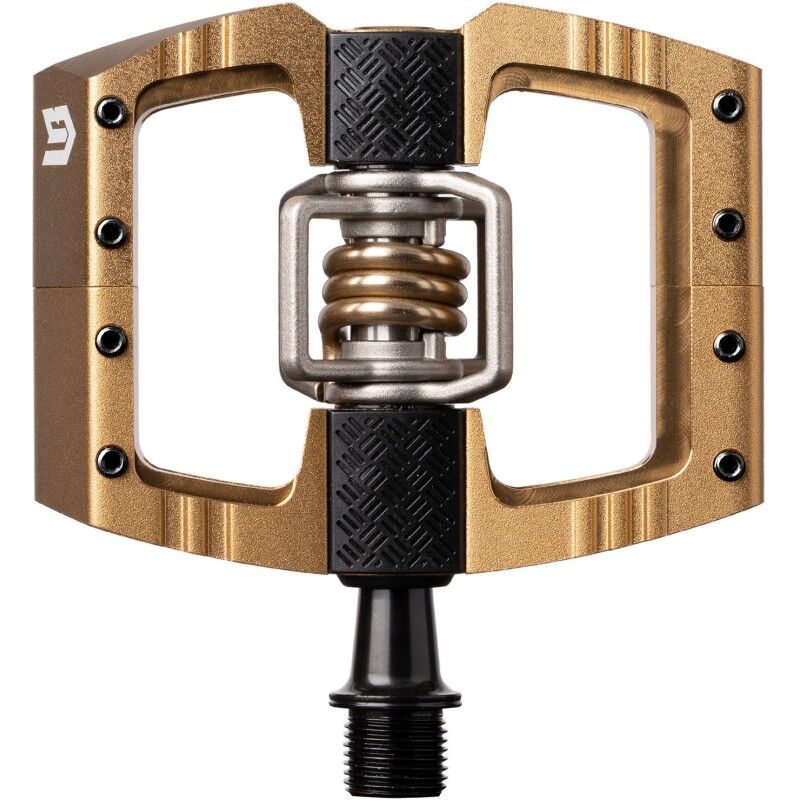
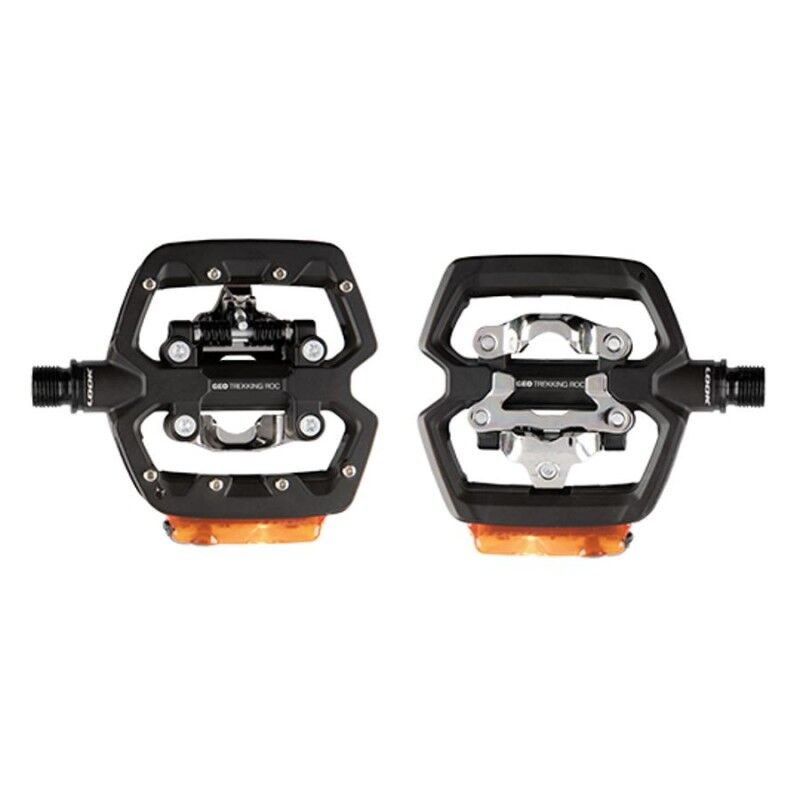
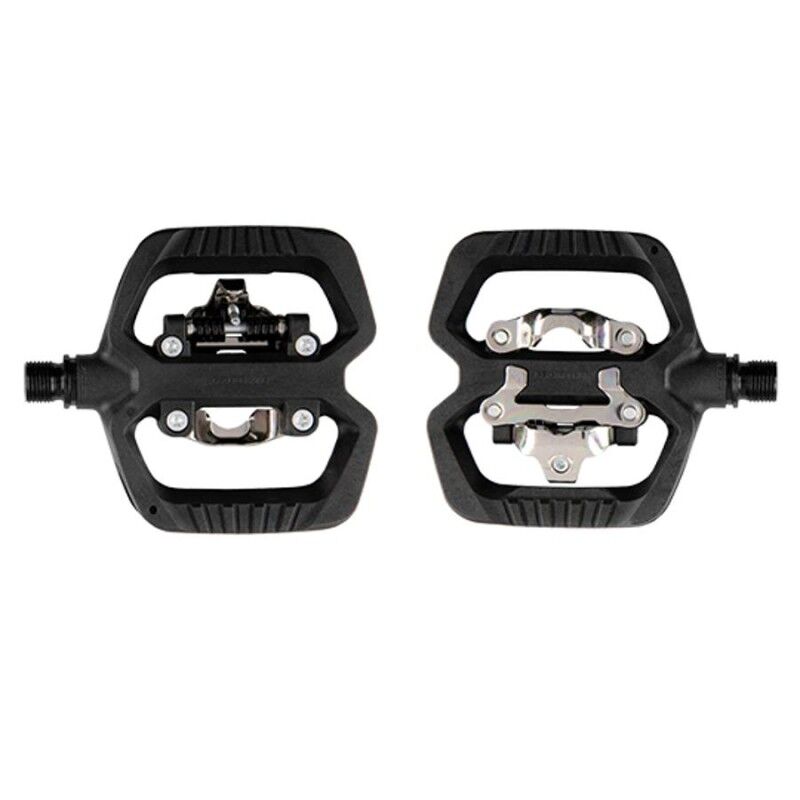
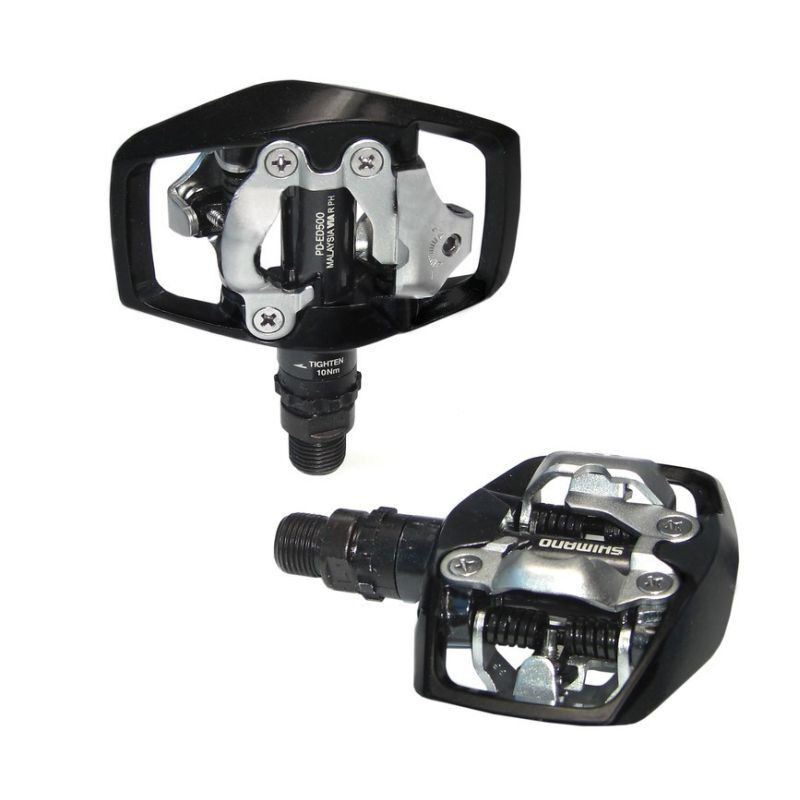
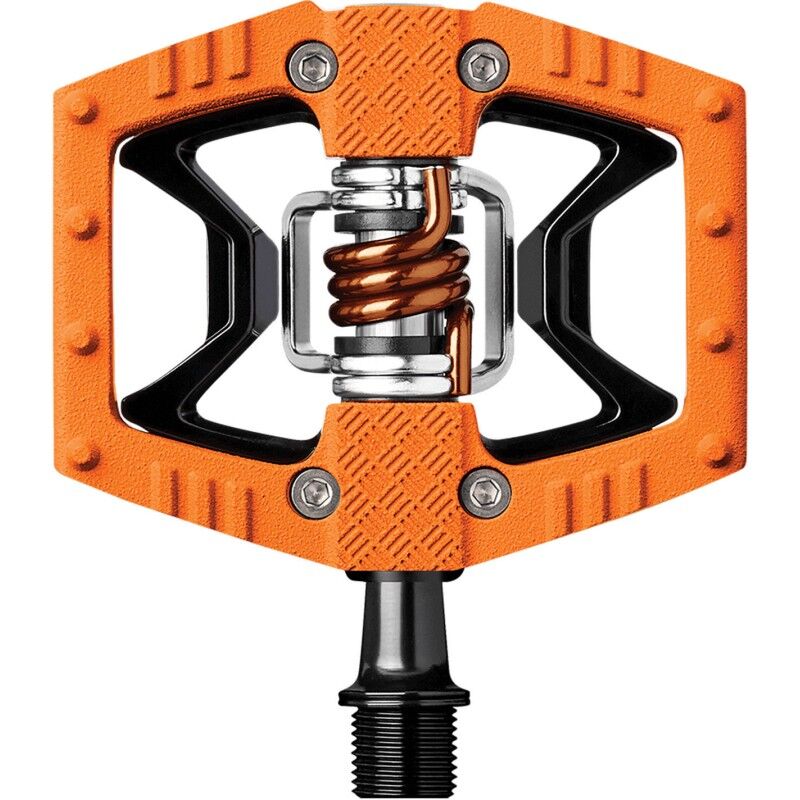
Semi-automatic pedals: they combine both worlds, with one flat side and one automatic side. Perfect for versatile cyclists, or those who don’t want to choose between freedom and performance.
The choice of pedal type will therefore mainly depend on your practice, but also on your level of experience and personal preferences.
How to choose your pedals?
Choosing a MTB pedal or a road bike pedal is not just a matter of compatibility; it’s also about sensations. Here are some essential criteria to consider:
The discipline: for the road, opt for automatic road bike pedals with a large contact surface, perfect for maximum efficiency. In mountain biking, clipless pedals are often more compact and equipped with a quick-release mechanism. For demanding practices like enduro or downhill, flat pedals remain an excellent choice.
Comfort and safety: clipless pedals provide stability and efficiency but require a bit of adjustment time. Toe clips offer an intermediate alternative for those who want to improve their performance without going fully automatic.
Compatibility: be sure to check the compatibility of your pedals with your MTB shoes or road bike shoes.
A good bike pedal is one that faithfully accompanies you on all terrains, without compromising on performance or safety.
What is the difference between a clipless pedal and a semi-automatic pedal?
You might think it’s a matter of detail, but the difference between a clipless pedal and a semi-automatic pedal can radically change your experience on the bike.
The clipless pedal is designed to firmly lock the foot to the pedal via a cleat system. The result: smoother, more powerful pedalling, and a real gain in efficiency. Ideal for long rides and demanding courses, it does require learning how to clip in/out quickly, especially in technical conditions.
The semi-automatic pedal, on the other hand, plays the versatility card. With one automatic side and one flat side, it adapts to all situations. Heading into town or for a leisurely ride? Use the flat side. Tackling a climb? Clip in and enjoy all the power of your legs. It’s an ideal compromise for cyclists who want to do everything with one pair of pedals.
Why use clipless pedals?
The question deserves to be asked. After all, why burden yourself with cleats and fastening systems when a simple flat bike pedal suffices?
The answer lies in one word: efficiency. A clipless pedal allows you to pedal by pulling as well as pushing, which offers a considerable gain in efficiency. Road cyclists benefit from consistency and power, while mountain bikers gain stability and precision in technical passages.
Another significant advantage: comfort. By keeping the foot well positioned at all times, the clipless pedal reduces muscle fatigue and the risk of injury. Once you’ve experienced it, it’s hard to go back… unless you’re on a muddy singletrack in the middle of winter, in which case a good old flat pedal can still work wonders.
In summary, the choice of your pedals deserves your full attention. Take the time to reflect on your practice, your desires, your goals, and choose a bike pedal or MTB pedal that suits you. Because in the end, it’s not just an accessory: it’s the direct link between your body and your machine, between your will to move forward and the road that opens up before you.