
Climbing & Ski Skins
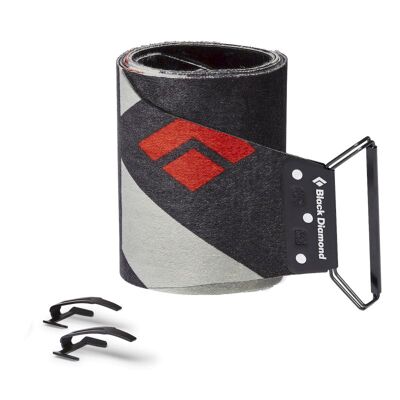
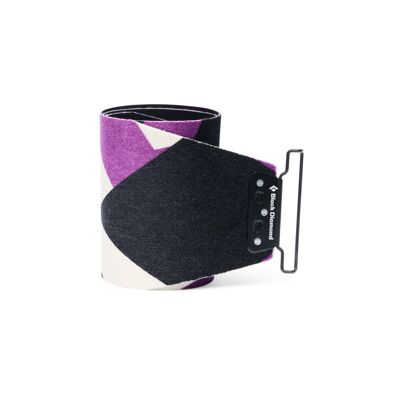
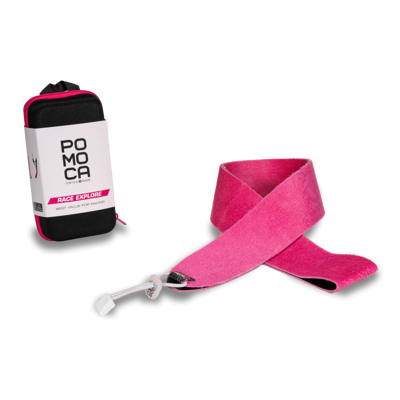
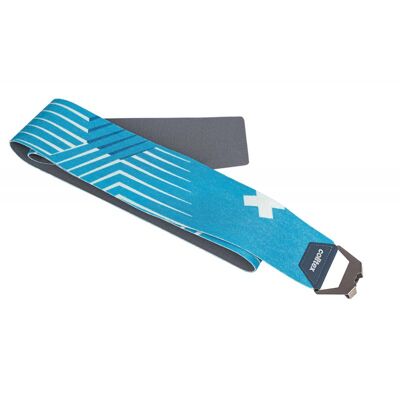
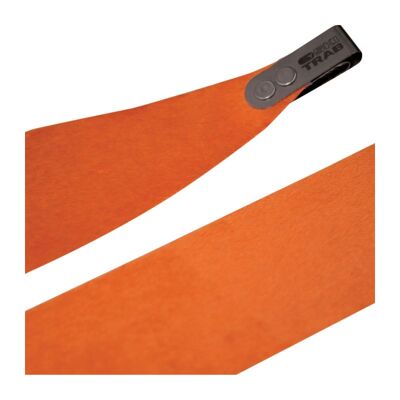
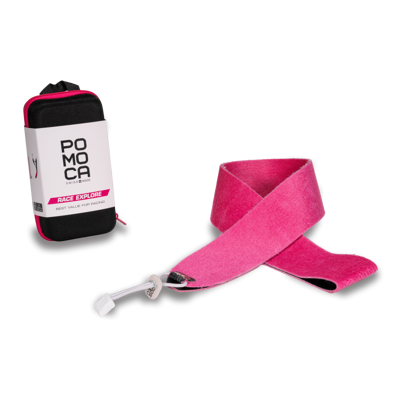
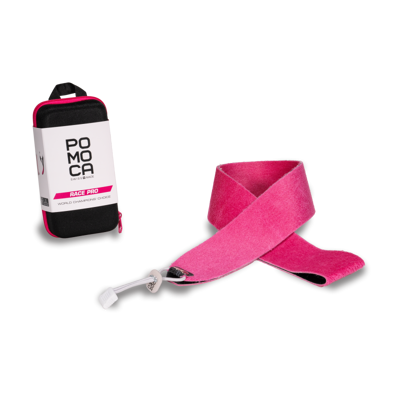
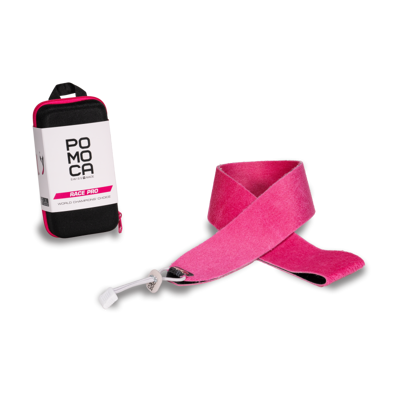
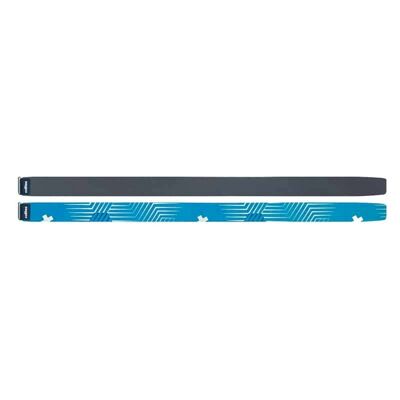
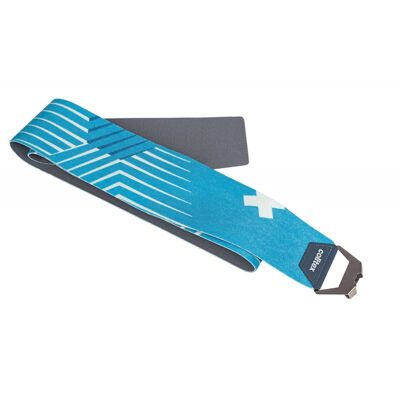
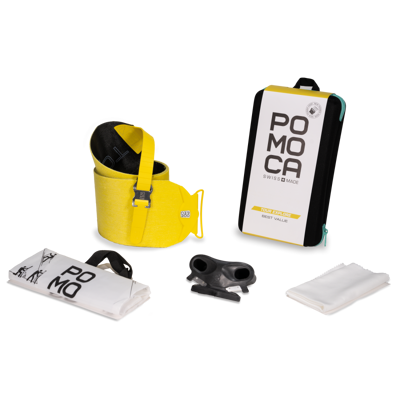
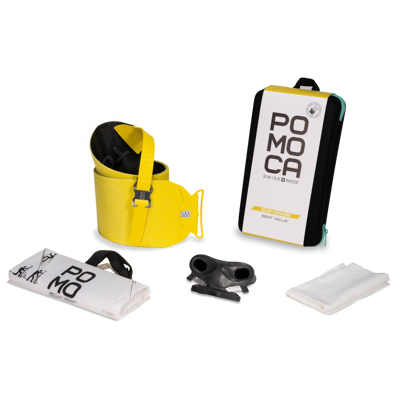
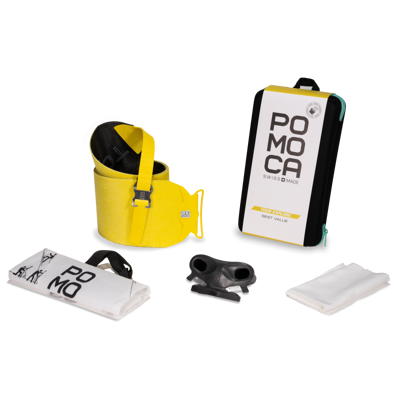
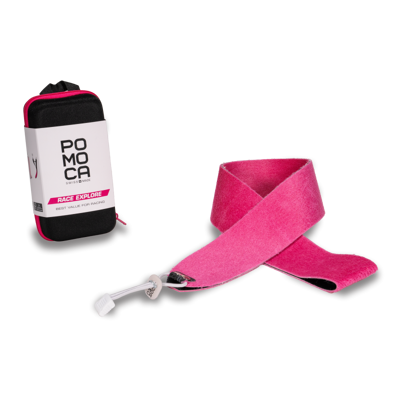
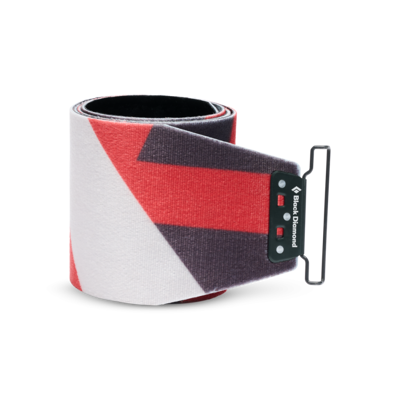
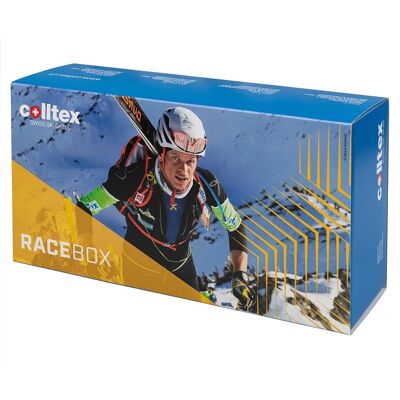
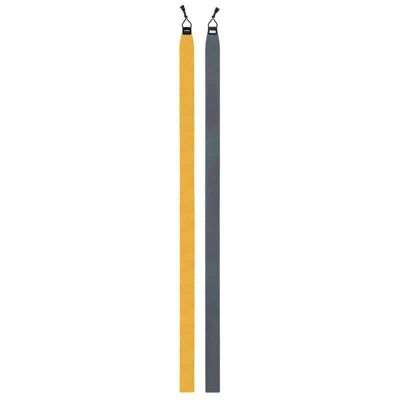
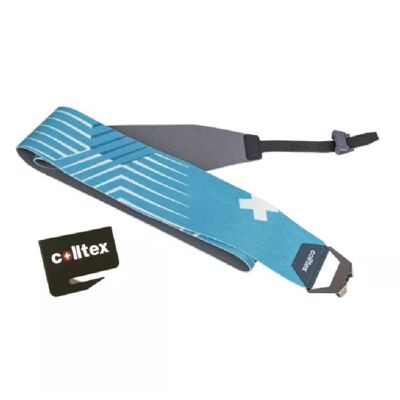
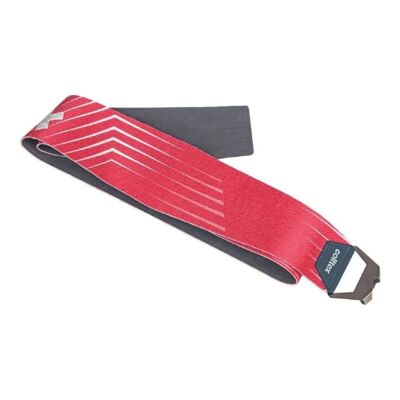
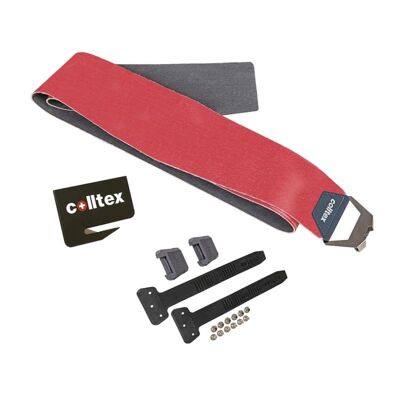
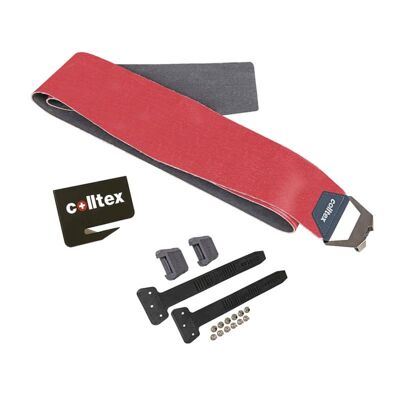
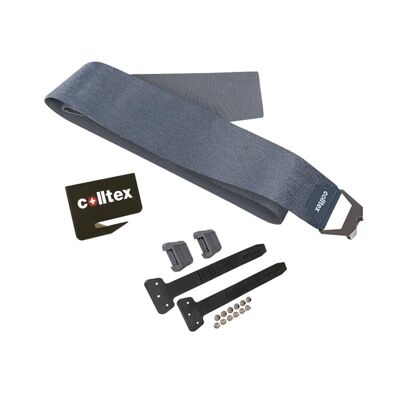
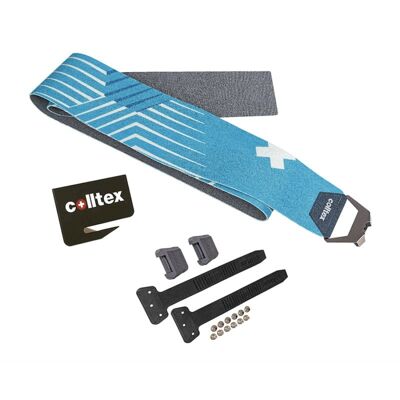
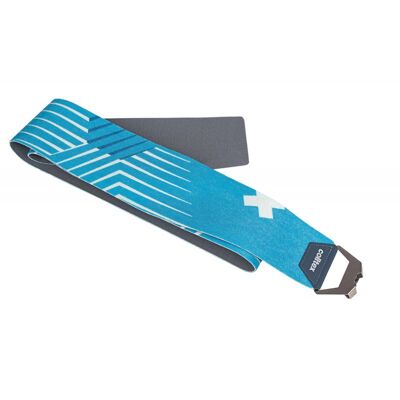
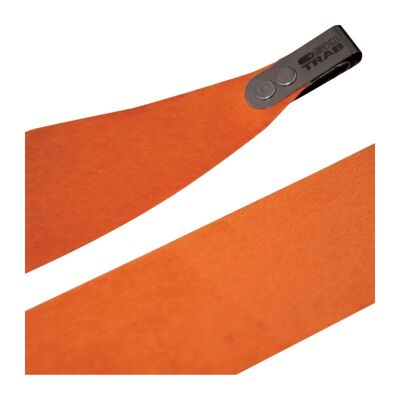
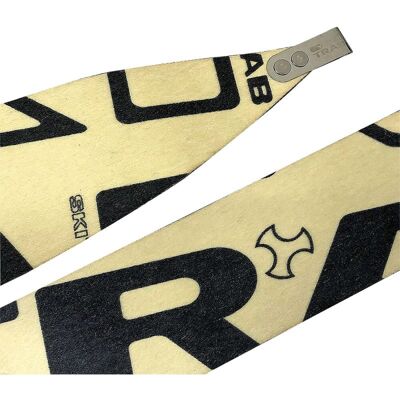
Climbing & Ski Skins : glueless skins & glue skins, your unwavering companion for ski touring!
The powder has arrived, and the mountains are ready to welcome you; all you want to do is strap on your touring skis and set off to conquer the most beautiful summits in your area! Whether in the Alps, the Pyrenees, or abroad, the possibilities for ski touring are endless, and inspiration is abundant! Whether you are new to ski touring or have some experience, one accessory is essential: your climbing & ski skins : glueless skins & glue skins. Placed under your touring skis, your climbing & ski skins allow you to ascend snowy slopes without any issues and reach the most stunning peaks. For those discovering the wonderful benefits of ski touring, it may seem incredible: how can one climb snowy faces, sometimes steep, without slipping on their skis? There’s no magic behind it: ski skins are simply extremely adhesive on snow. But how do climbing & ski skins actually work? And which climbing & ski skins should you choose among the various models available? If these are questions you have, stay tuned: you’re in the right place to get all the answers to your queries about climbing & ski skins!
Climbing & Ski Skins : how do they work?
Let’s start with a bit of history. The climbing & ski skins got their name centuries ago for a simple reason: skiers used to rely on real seal skins, or occasionally on moose or other animals with short, coarse fur. While this practice lasted for several decades, that era is thankfully over, and skiers now use synthetic climbing & ski skins, which have retained their original name. Just like car tires, a climbing & ski skin aims to ensure grip, specifically of your skis on snow. Extremely grippy, climbing & ski skins allow you to stay fixed on the snow and not slide backwards, providing an anti-recoil effect. Without climbing & ski skins, it is indeed impossible to ascend a mountain on skis, which would slip on the very first climb. Therefore, it is crucial to choose them wisely to ensure a problem-free ascent to the summit. Also, if you are new to this, you may not yet know that there are several types of climbing & ski skins: glue or adhesive, made from mohair, synthetic fibers, or mixed, cut or pre-cut, and finally with different attachment systems. In short, a multitude of options are available to you in terms of climbing & ski skins! Let’s examine these parameters one by one, so you can become a true expert in the field!
Climbing & Ski Skins : how do they stick to the skis?
You might guess that your climbing & ski skins don’t magically appear on your skis! They need to be added, and especially, they need to stay attached! Until very recently, the most commonly used method to stick your climbing & ski skins to your skis was simply... glue! While particularly effective, the use of glue comes with many disadvantages. Moreover, in recent years, adhesive skins have emerged, offering a revolutionary sticking process. Let’s take a look at these two options and their respective advantages and disadvantages!
Glue skins
Having proven themselves time and again, glue skins are widely used in ski touring. This involves coating the surface of the ski skin that contacts the ski base with glue. This traditional method offers excellent grip, which is why it has been predominantly used until now. However, the use of glue has several drawbacks. First, you probably thought of it immediately, but it’s not uncommon to end up with glue-covered hands when trying to stick or unstick your climbing & ski skins from your skis. The second main disadvantage concerns the maintenance of your climbing & ski skins: it is indeed essential to re-glue your skins regularly to maintain optimal grip, as well as to store your climbing & ski skins on a special mesh once your ascent is complete to prevent them from sticking together. To avoid these inconveniences, glueless skins, or adhesive skins, have emerged in recent years.
Adhesive skins
Considered revolutionary, adhesive skins operate on the principle of a molecular suction cup, usually made from acrylic or silicone. Thus, adhesive climbing & ski skins contain no glue whatsoever. Easier to use, adhesive climbing & ski skins require no re-gluing, and, as you might guess, they save you from getting glue on your hands! Additionally, they are easier to store in your backpack and can even fold into your jacket. Finally, glueless skins can be washed in warm water to remove any dirt that may have accumulated during your outing. Their main disadvantage is the price: more expensive than glue skins, they require an additional investment. However, their extremely practical nature is winning over more and more ski touring enthusiasts.
Beyond their sticking method, climbing & ski skins also differ in their composition. Mohair fiber, synthetic fibers, or mixed fibers: let’s shed some light on these different categories of fibers.
Climbing & Ski Skins : 3 categories of fibers used
Mohair climbing & ski skins
Derived from the fleece of Angora goats from Asia, mohair is a wool that offers incredible forward glide qualities and an excellent anti-recoil effect. Effective, mohair is, however, very fragile and wears out quickly. Moreover, mohair tends to clump very quickly, meaning that snow easily accumulates in the fibers, which reduces their effectiveness while weighing them down. To combat this issue, it is essential to maintain them frequently to preserve their performance. Mohair climbing & ski skins are generally used in competitions.
Synthetic climbing & ski skins
Durable, synthetic climbing & ski skins are, as you might guess, much easier to maintain. However, synthetic climbing & ski skins offer significantly lower glide quality than mohair skins. Often inexpensive or ultra-light, synthetic climbing & ski skins are models reserved for very specific uses and are thus not widely sold.
Mixed climbing & ski skins: mohair + synthetic
The perfect combination of the advantages of synthetic and those of mohair, mixed climbing & ski skins are generally composed of 70% mohair and 30% synthetic. Offering good glide performance and an ideal anti-recoil effect, mixed climbing & ski skins also have the advantage of a longer lifespan. Mixed climbing & ski skins are generally used by the general public, whether beginner or regular skiers.
You are now informed about the different compositions available regarding climbing & ski skins. However, climbing & ski skins are complex tools that deserve special attention. Thus, although we have seen the primary criteria, other topics are equally important, starting with the conditioning of your climbing & ski skins.
Climbing & Ski Skins : pre-cut or cut-to-fit, what’s the difference?
There are thus 2 types of climbing & ski skins, namely pre-cut skins and cut-to-fit skins. Pre-cut skins are generally manufactured by ski brands and are adapted to their specific models of skis. Choosing pre-cut climbing & ski skins from the brand of your touring skis can make things easier and prove quite practical. Cut-to-fit skins are universal skins that can be used with any brand and model of touring skis. Offered in various widths, they can be cut both in length and width to fit exactly the sidecut of your skis. Thus, for width cutting, simply place the climbing & ski skins on the skis and slide the cutter along the edges of your skis. Be sure to use a specific cutter, often provided at purchase, designed to cut your climbing & ski skins about 2 mm from the edge of your skis, which will prevent any grip issues. Once your climbing & ski skins are cut and attached to your touring skis, it is important to equip yourself with a attachment system to keep them in place during your ascent.
Climbing & Ski Skins : a variety of skin attachment systems
If climbing & ski skins adhere to your skis through their adhesive or glued surface, it is nevertheless essential to complement this hold with a mechanical system, located at the tip and sometimes complemented by a tail attachment on the ski. You can find several attachment systems on the market.
Attachment system with tip strap
For this system, the strap (made of metal or plastic) is attached to the front tip of the ski to prevent your climbing & ski skins from slipping during the ascent. More commonly used, this system is compatible with a multitude of touring skis.
Attachment system with tip strap and tail tensioner
This system incorporates the strap placed at the front tip of the ski and adds a camlock system at the back of the ski. This thus helps to secure the climbing & ski skin at both ends of the ski, providing an additional guarantee. However, this adds weight to your skis and is therefore reserved for particularly wide touring skis (with more than 80 mm underfoot).
Attachment system with insert
Compatible with only certain brands of touring skis, climbing & ski skins with inserts attach to the tip of the ski in a dedicated slot. This system helps to slightly reduce the weight of your skis.
Attachment system with quick tensioner
Finally, widely favored by competitors, the quick tensioner attachment system allows you to remove your skins from the front in a matter of seconds, without even having to unbuckle. Reserved for only a few brands, this system is also one of the most expensive.
Now that you are fully informed about climbing & ski skins, whether regarding their composition, conditioning, attachment system, or type of sticking, it’s time to understand how to choose your climbing & ski skins, optimized for your practice and needs!
How to choose your climbing & ski skins wisely?
The size of the skis, a crucial selection criterion for your climbing & ski skins
First of all, the choice of your climbing & ski skins largely depends on your touring skis. While some manufacturers offer pre-cut climbing & ski skins that may fit certain ski models, it is common practice to cut your climbing & ski skins yourself, ensuring they are perfectly adapted to your skis, custom-cut. To find the right size of climbing & ski skins, you should choose skins that are slightly larger than your skis in width to fit perfectly to their edges. In this regard, plan for about 5 mm extra to avoid any risk. Beyond the size of your touring skis, your practice will also determine the type of climbing & ski skins that is advisable to choose.
Choosing your climbing & ski skins based on your ski touring practice
If you are competing, a glue skin with a quick tensioner attachment system is ideal. Regarding the fiber (100% mohair skins, synthetic material, or mixed), the choice will depend on the event and the type of snow.
If ski touring is no longer a secret for you, and performance is one of your criteria, we recommend investing in a glue skin with a front grip. For the fiber, a mixed fiber is ideal for this use.
If you are a moderate practitioner but with a certain level, you can choose either a glue skin or an adhesive skin, depending on your preferences. However, a 100% mohair fiber is highly recommended, as well as a simple front grip.
Finally, if ski touring is new to you, adhesive climbing & ski skins will do the trick! Also, opt for a mixed fiber and a front and rear attachment system.
You are now well-versed in climbing & ski skins! All that’s left is to make your choice based on your practice and level! However, two points remain unaddressed at this stage, namely the accessories that accompany your climbing & ski skins and the maintenance of your climbing & ski skins.
Climbing & Ski Skins : what about accessories?
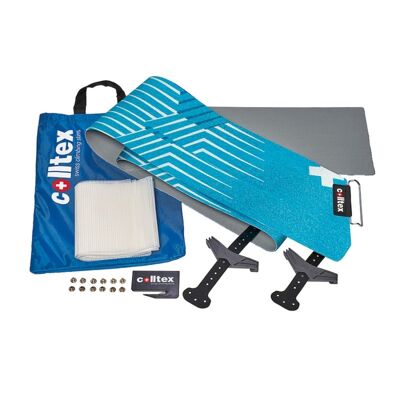
Depending on the manufacturers, your climbing & ski skins may come with various accessories: cutters, mesh, storage bags… Be sure to anticipate all the accessories you will need and inquire at the time of purchasing your climbing & ski skins about the accessories that come with them. Note that there are climbing & ski skins with the attachment system already installed: this can provide you with additional safety and ease the attachment phase of your skins. Beyond accessories, be sure to follow some maintenance guidelines to ensure your climbing & ski skins last for years.
Climbing & Ski Skins : how to maintain them?
To keep your climbing & ski skins effective, avoid storing them in a dusty place that could harm their adhesion. When you remove them, store them glue to glue, in a closed container away from drafts, so the glue doesn’t dry out. Additionally, it is recommended to re-glue your climbing & ski skins after several outings. Note that there are skins that use silicone instead of glue, which is both more comfortable to use, washable with water, and offers better longevity without needing re-gluing.
Find your climbing & ski skins on Hardloop.fr
You can find a variety of climbing & ski skins on Hardloop.fr, tailored to your practice and needs. Do you have any questions or doubts about choosing your climbing & ski skins? Contact our team at 01 58 48 30 20 or by email at hello@hardloop.fr. You will receive expert advice from our knowledgeable team!