
Trekking Backpacks
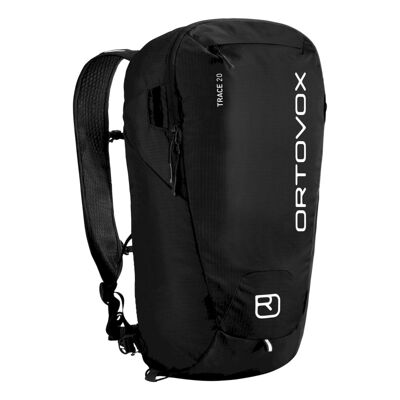
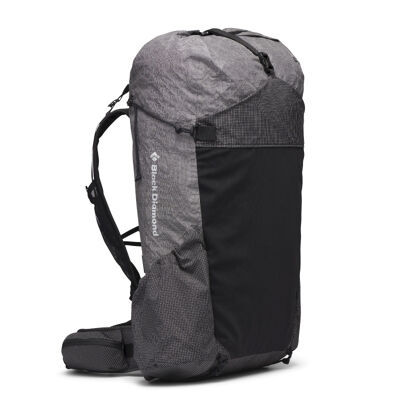
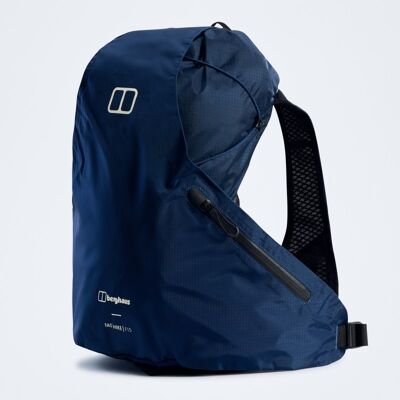
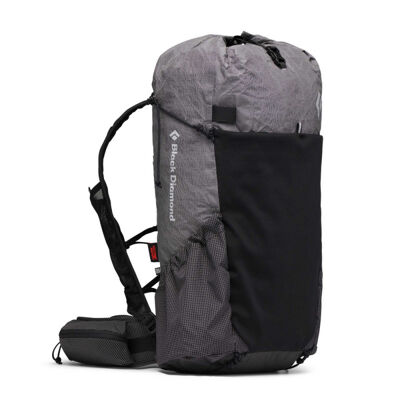
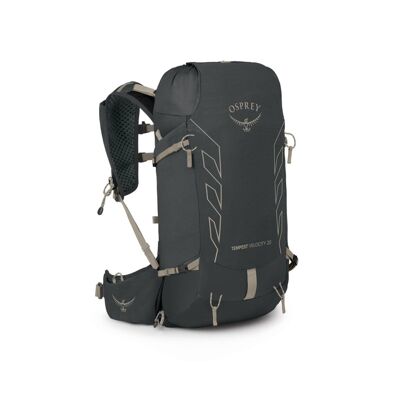
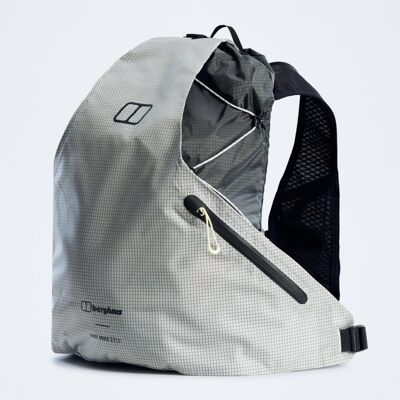
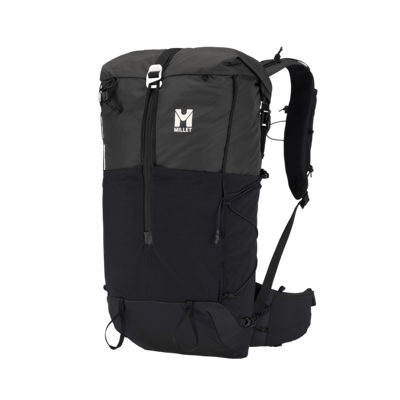
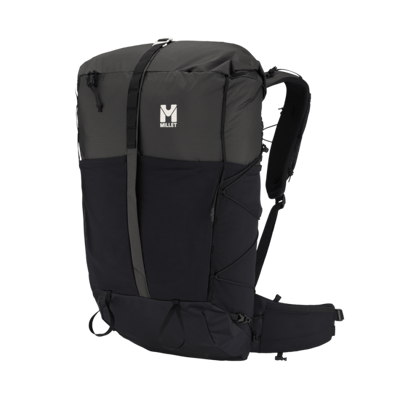
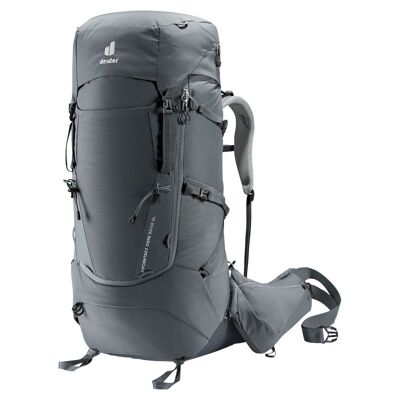
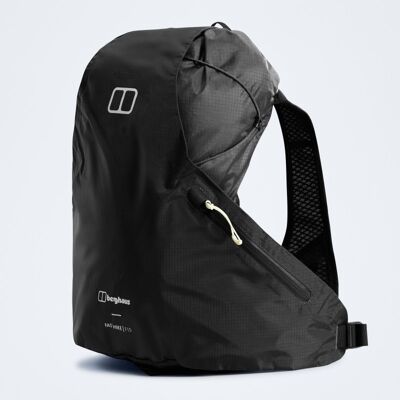
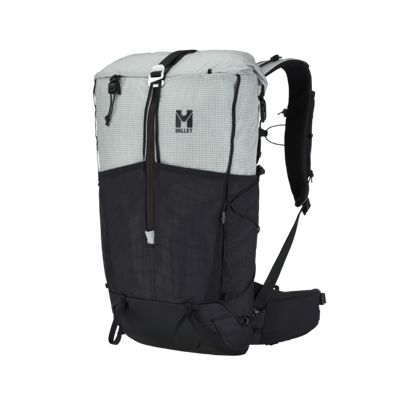
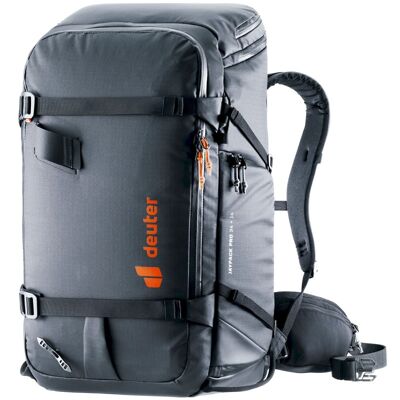
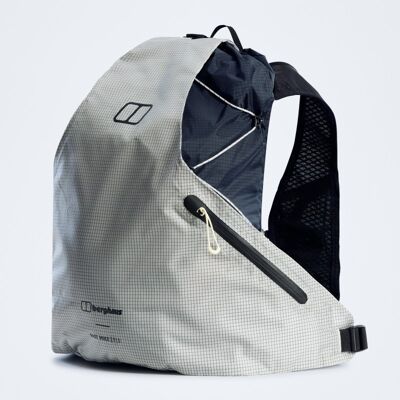
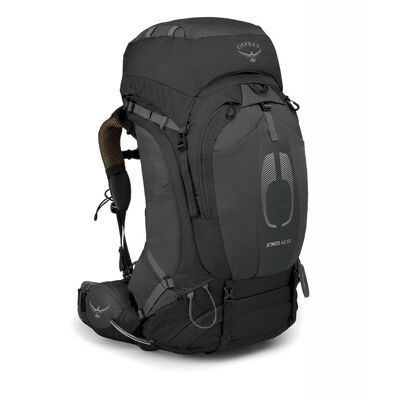
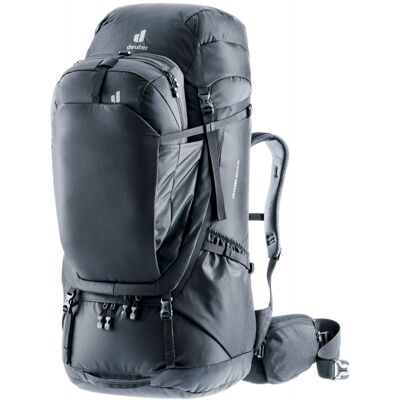
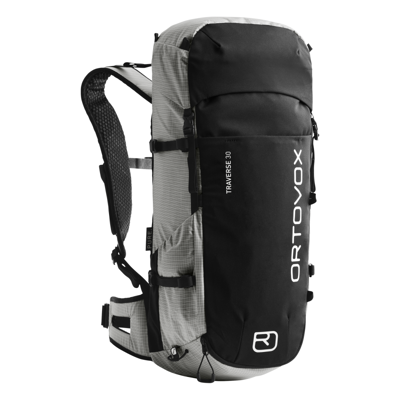
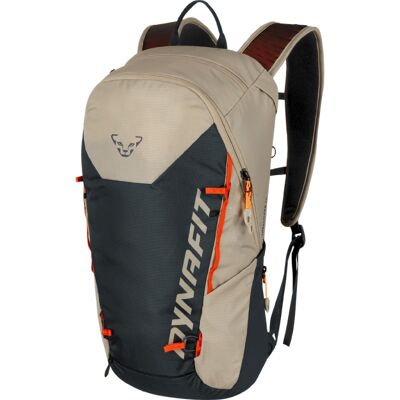
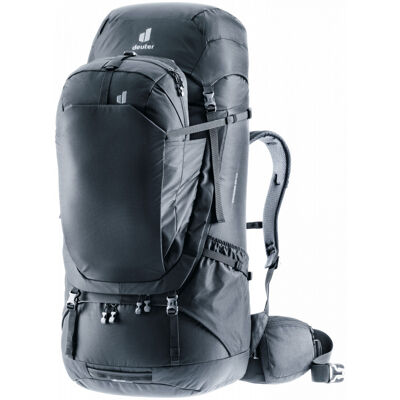
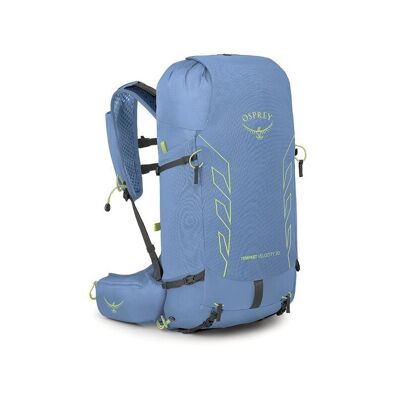
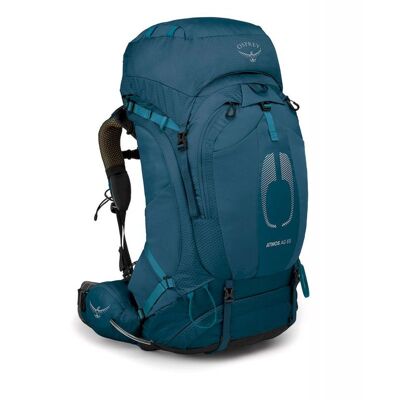
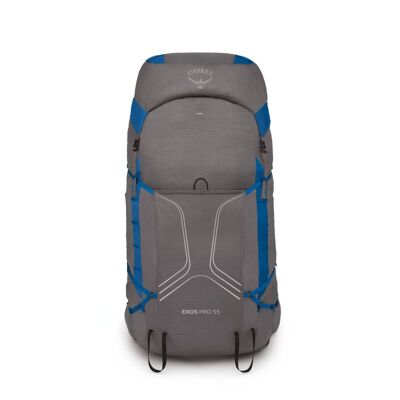
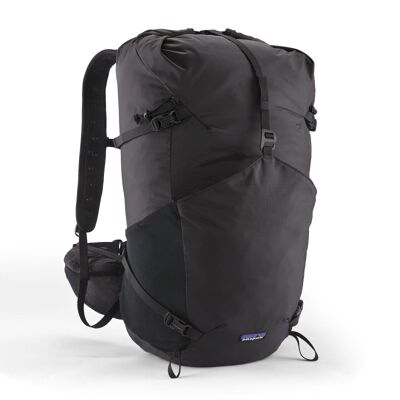
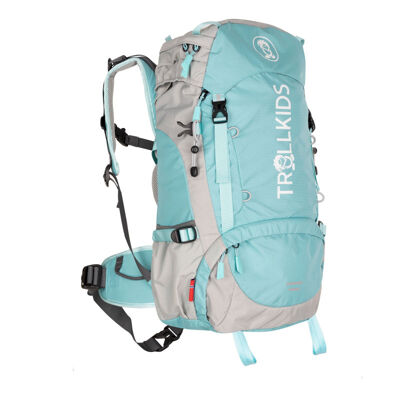
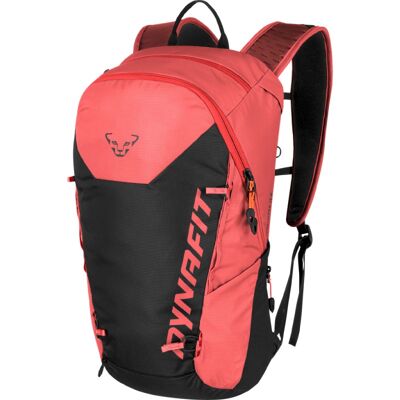
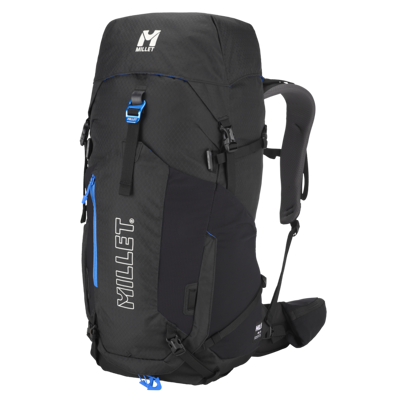
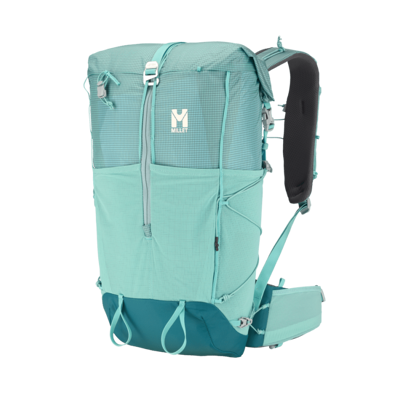
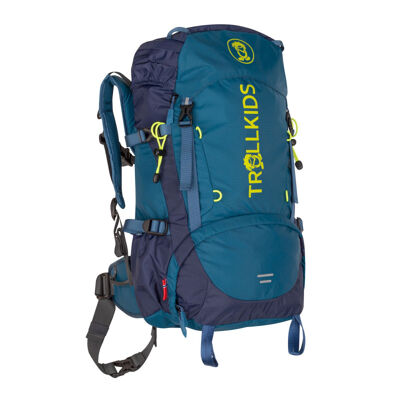
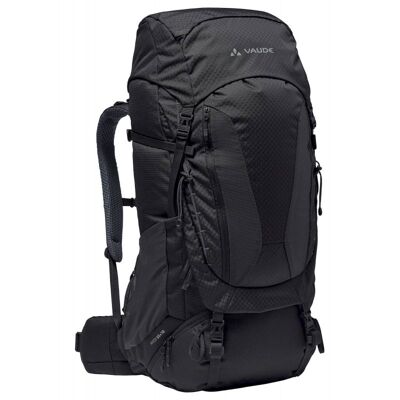
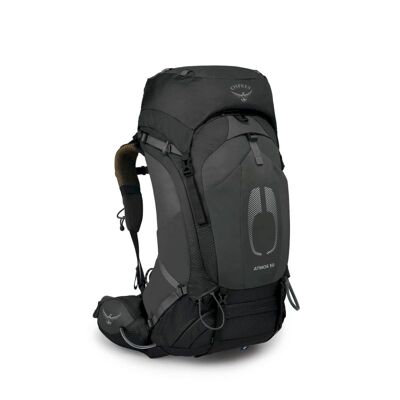
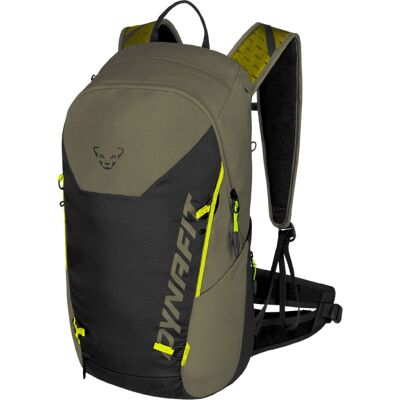
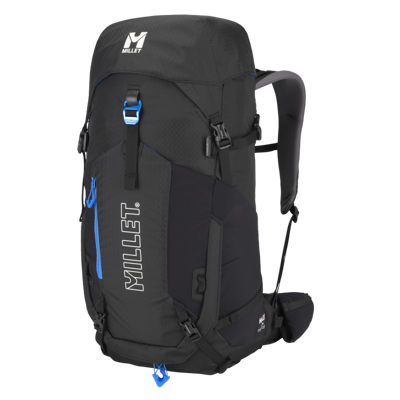
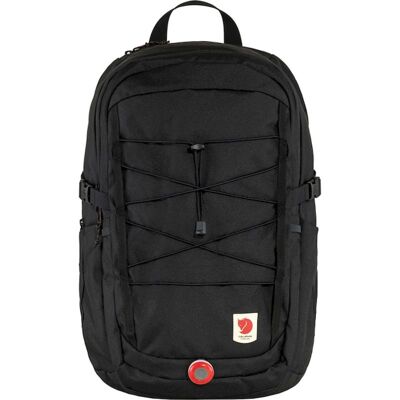
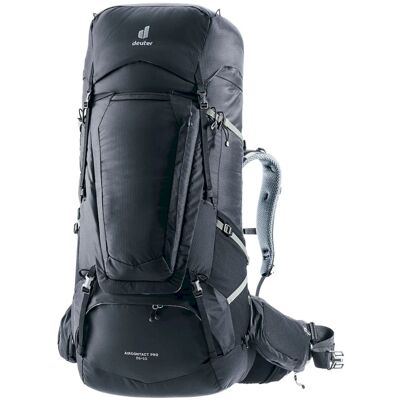

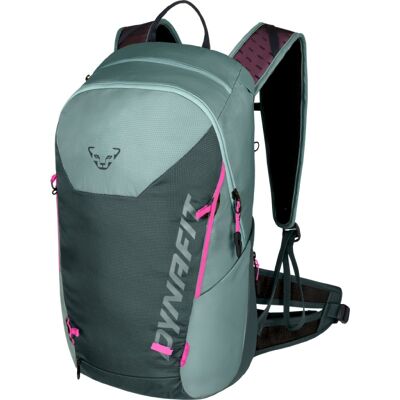
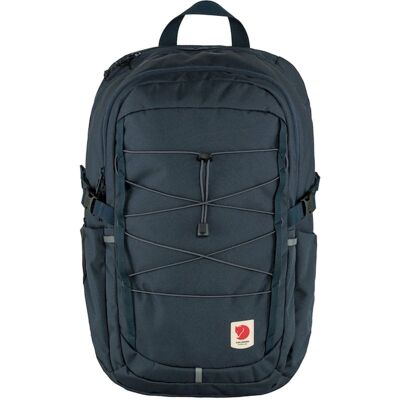
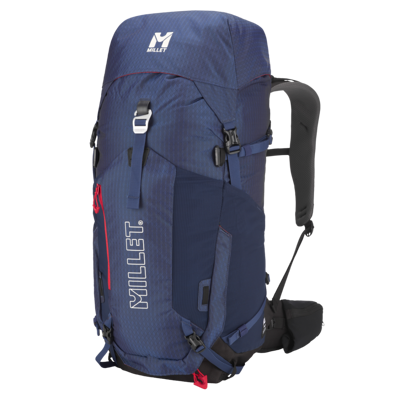
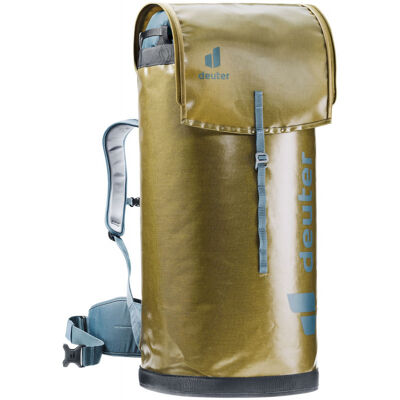
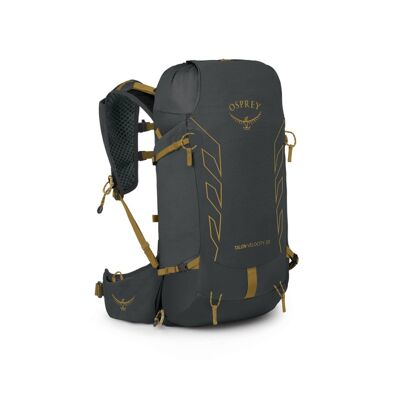
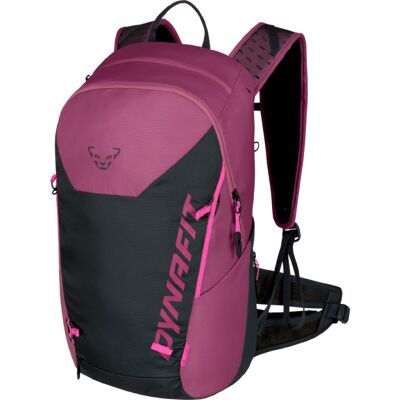
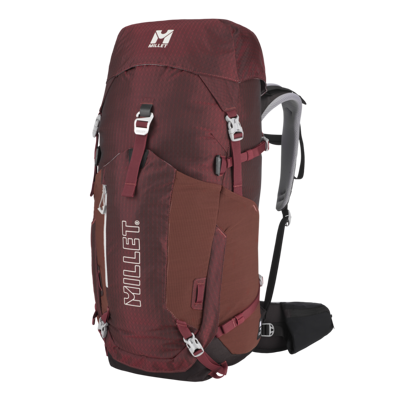
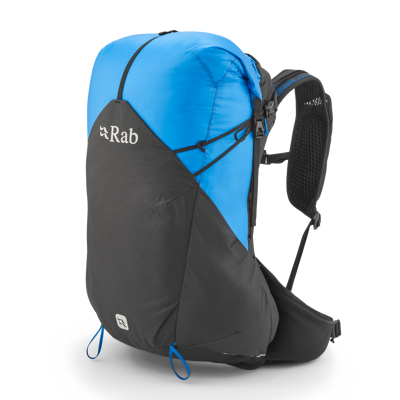
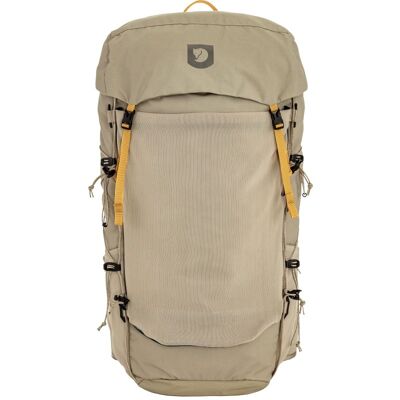
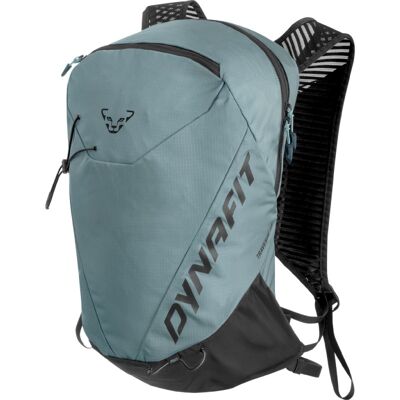
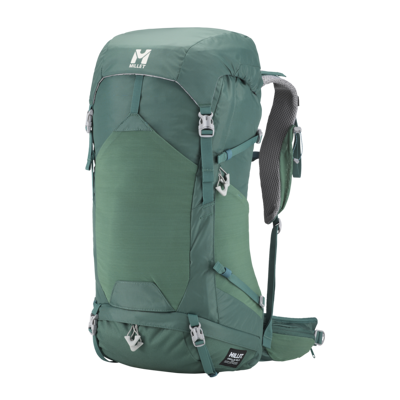
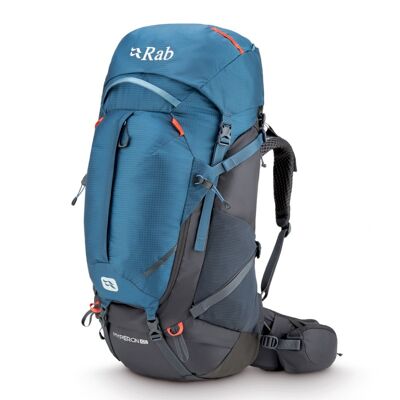
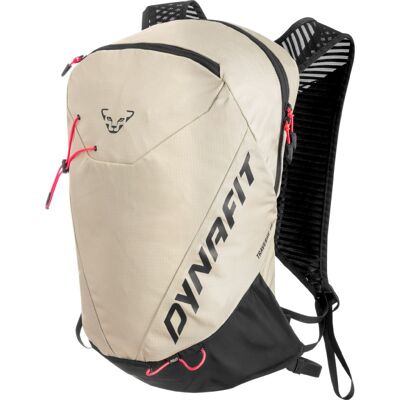
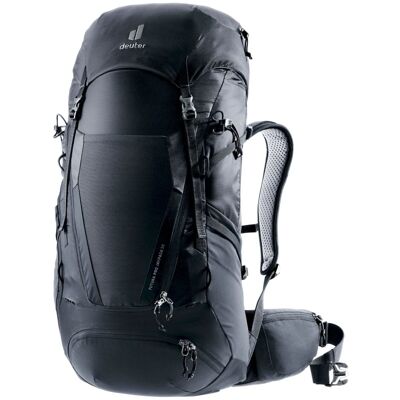
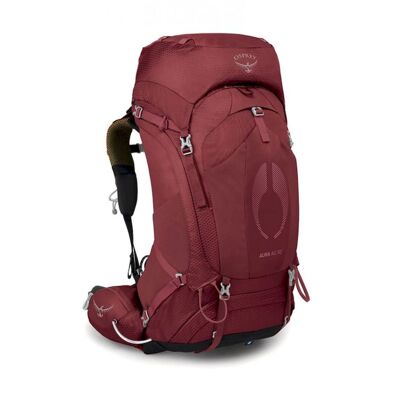
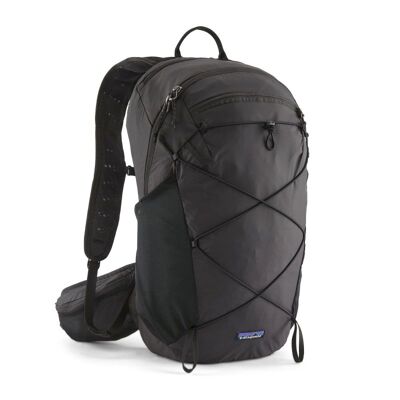
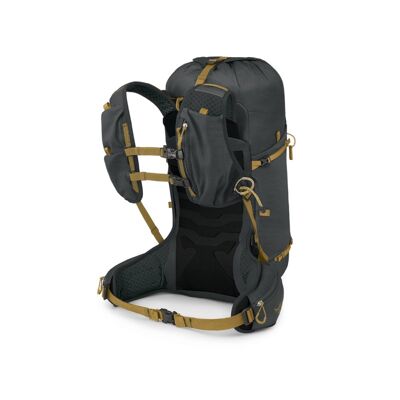
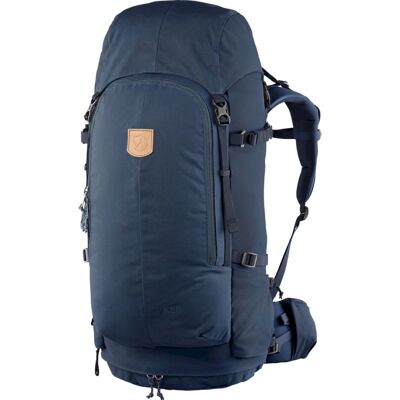
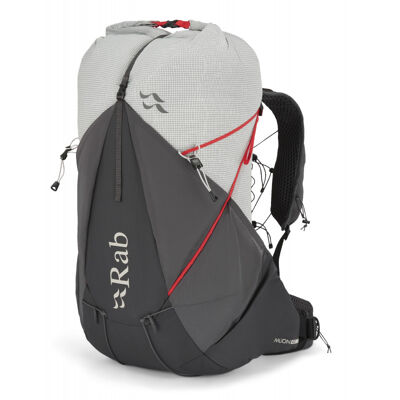
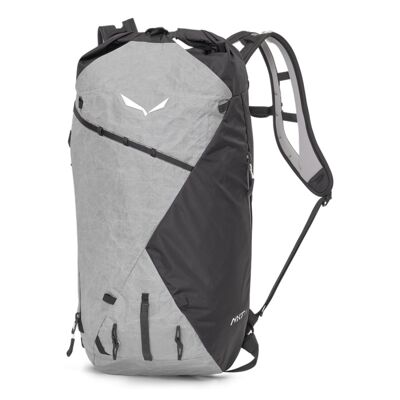
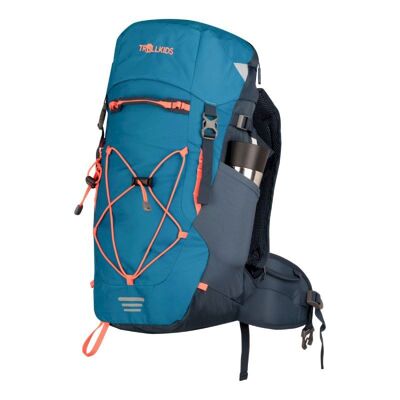
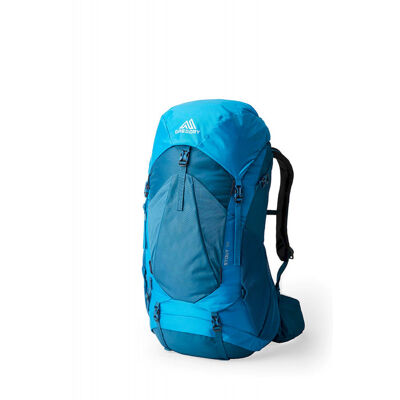
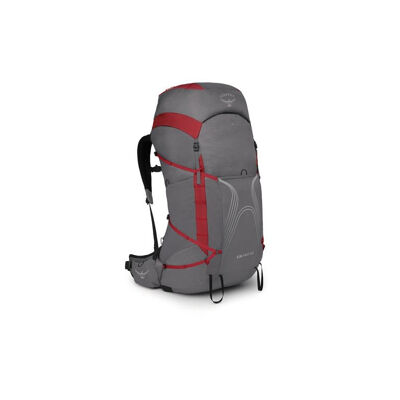
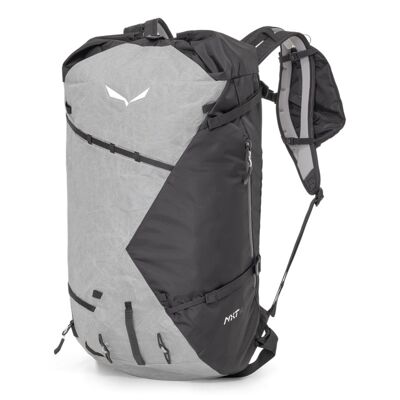
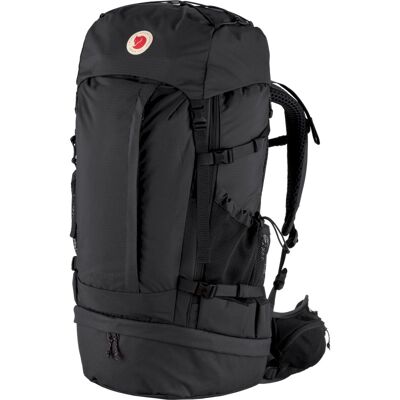
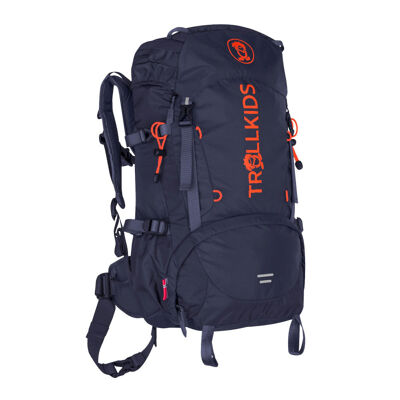
The trekking backpack, essential for tackling long distances
Are you planning to embark on a trek such as the Pacific Crest Trail, the Great Alpine Traverse, the Tour du Mont-Blanc or even the Annapurna Circuit? Unlike a stroll or a hike, a trek is a significant sporting challenge, more physical than simple hiking. Whether in high or mid-mountain, a trek is characterised primarily by its duration. Thus, if you walk consecutively for several days, you can call your getaway a trek. You will then think about all the trekking gear you need to bring with you for this wonderful sporting adventure. Sleeping bag, tent, trekking down jacket and the rest of your trekking clothing… The challenge is to find the perfect balance between the essentials and weight. Be aware that a trekking backpack that is too heavy may ruin your trek as it will leave you bruised and slow your progress. The trekking backpack thus plays a crucial role in preparing for your trek as it will store all your trekking equipment.
How to choose your trekking backpack?
The choice of your trekking backpack is a very important decision in the meticulous preparation of your trek. First and foremost, you need to estimate the capacity of your trekking bag based on the estimated duration of your trek. Forget about backpacks under 35 litres, as these are suitable for day hikes! If you plan to undertake a trek, we recommend opting for trekking backpacks with a volume between 50 and 80 litres. It will depend on the trekking gear you need to carry throughout your journey. Some trekking bags have the advantage of being modular and expandable (60 +10 litres), allowing you to adjust the volume of your bag according to your trek. In addition to capacity, it is important to choose a trekking bag with pockets that allow easy access to different compartments. Pockets are highly appreciated for compartmentalising personal items. Opt for a trekking bag with pockets at the waist, as these are a major advantage for storing keys, phones, and energy bars. As for ease of access, some trekking backpacks offer zips on the front of the bag: very handy if you need to quickly access the bottom of your trekking bag without having to empty all your belongings. Depending on the trekking equipment you plan to carry, if you are transporting an inflatable mattress or walking poles, prefer a trek bag with loops and external straps. This will allow you to securely attach your gear to the outside of the bag without taking up space inside. If you are heading to rainy regions, also check that your trekking bag comes with a waterproof rain cover. This will prevent water from seeping inside your trekking backpack (keeping your belongings dry!). Finally, two other selection criteria for choosing your trekking backpack are weight and comfort. Weight is the most important criterion as it is a significant cause of failure. Be sure to choose a good weight/accessorisation ratio. Sometimes, it is worth bearing a few extra grams to enjoy a high-performance system. As for comfort, you must, above all, feel comfortable when carrying your trekking backpack loaded. For this, preferably choose a trekking bag with flexible frames that will follow your comfort regardless of your movements. Also, consider choosing a trekking bag padded at the hips and back for better moisture management. Finally, some trekking bags can be adjusted at the shoulder straps, allowing you to distribute the weight of the bag on your hips rather than your shoulders.
The women's trekking backpack, a trekking bag tailored to the female physique
Ladies, take your time before choosing your trekking bag! Just like trekking trousers, socks, and trekking shoes, there are also trekking bags ideally designed for the female physique! Choosing a women's trekking backpack is therefore quite natural if you are setting off with friends to conquer vast spaces. The specifics of women's trekking bags lie in the capacity of the trekking bag and the shape of the shoulder straps. The latter, much narrower, perfectly fit the female bust for increased comfort. Deuter women's bags are, for example, robust women's trekking backpacks, of very good quality and optimally designed to access your belongings in just a few minutes!
The men's trekking backpack, a trekking bag tailored to the male physique
The male gender is not left out; there are also many men's trekking backpacks designed by brands to meet everyone's needs. Adapted to a stronger build, men's trekking backpacks have wider shoulder straps and a broader back shape. They are generally larger in volume. Thus, you can load your trekking bag a bit more than your female companions, allowing for a correct ratio between the weight of your men's trekking backpack and your actual weight.
On Hardloop.co.uk, discover unique treks around the world
Beyond trekking backpacks, we offer hikes and treks in various corners of the globe, supervised by guides in mid and high mountains. Whether you choose freedom hiking or guided hiking, we select for you the most beautiful treks to discover the world differently.