
Snowshoes
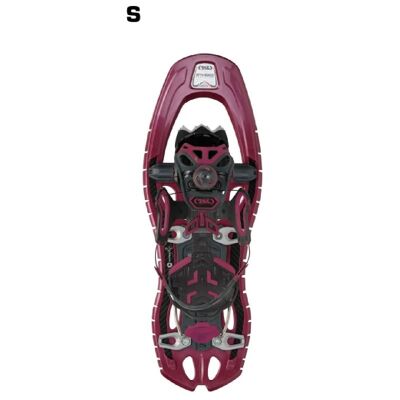
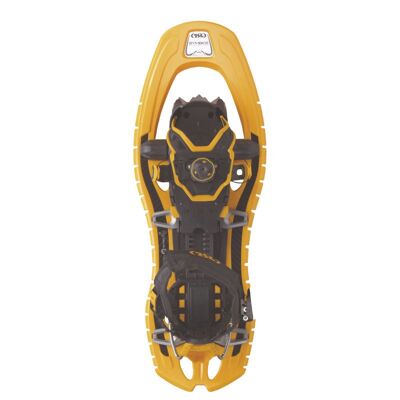
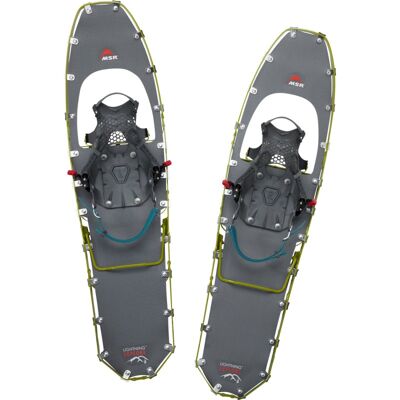
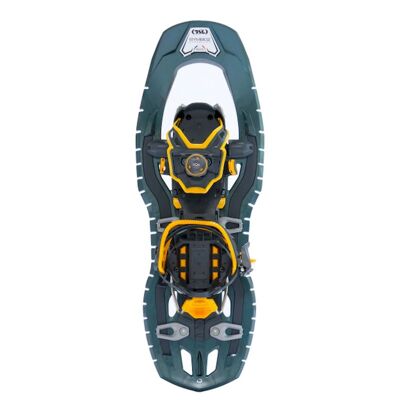
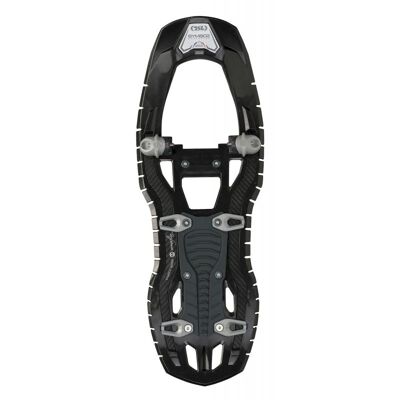
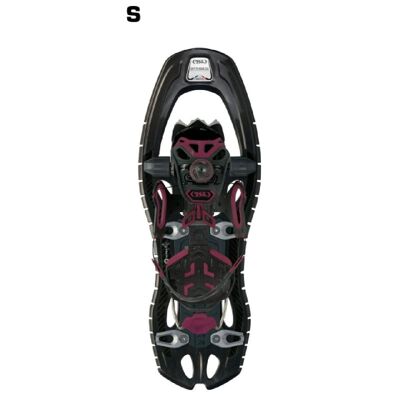
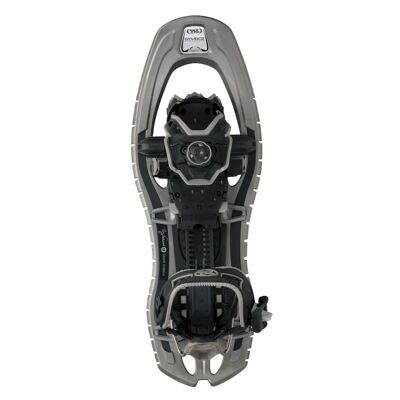
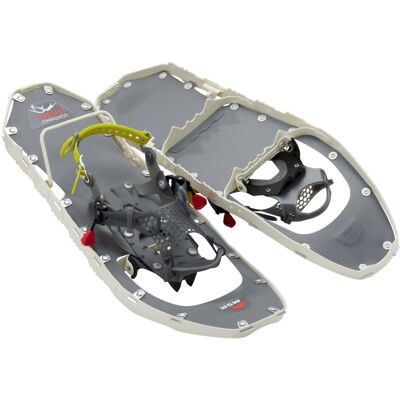
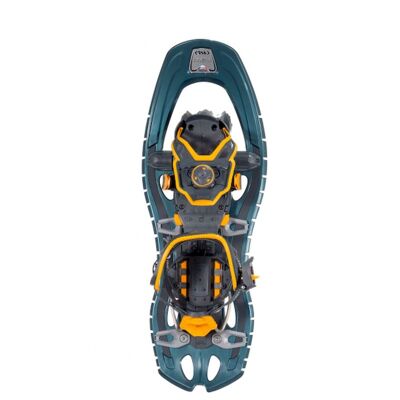
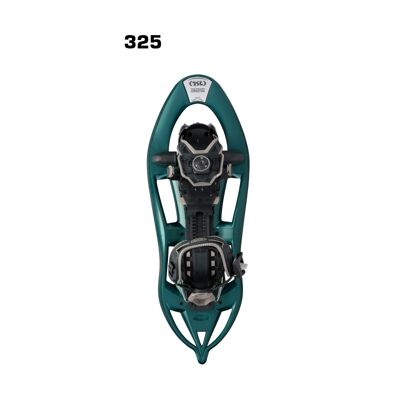
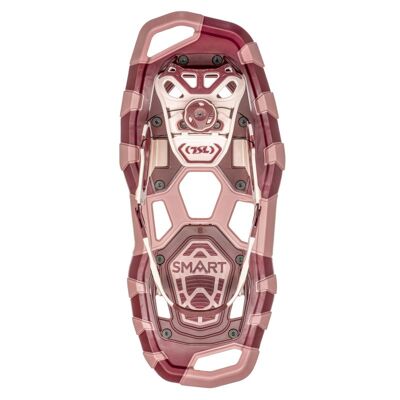
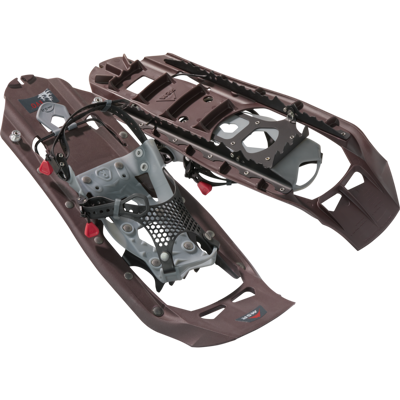
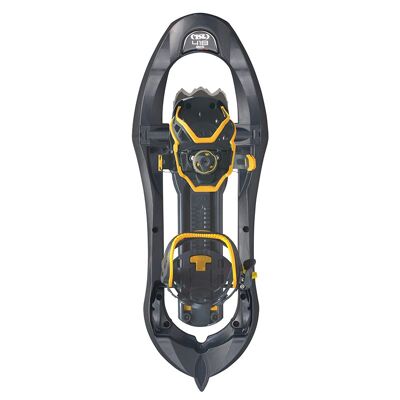
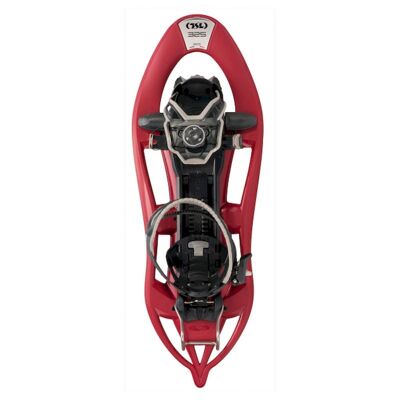
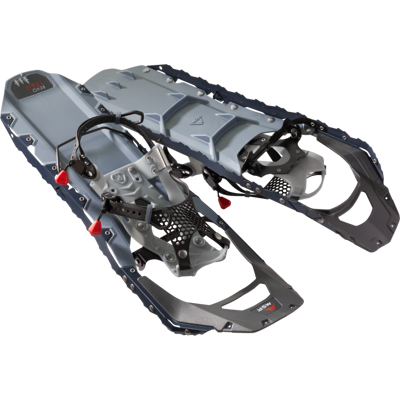
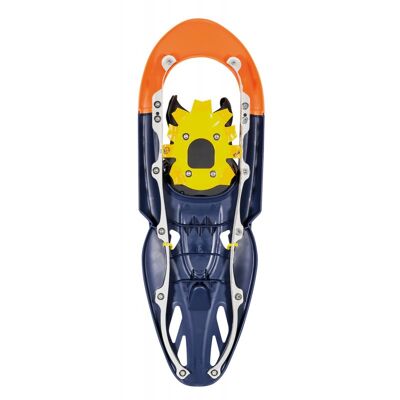
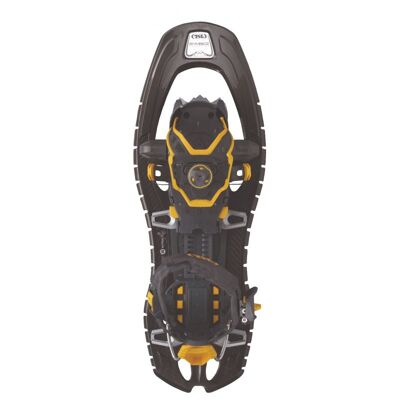
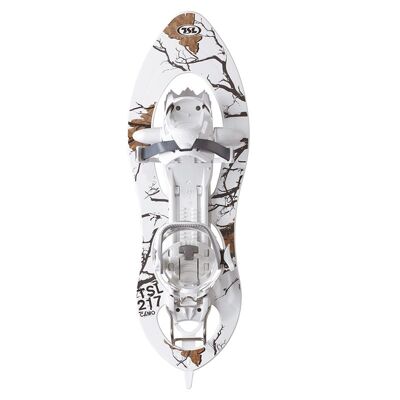
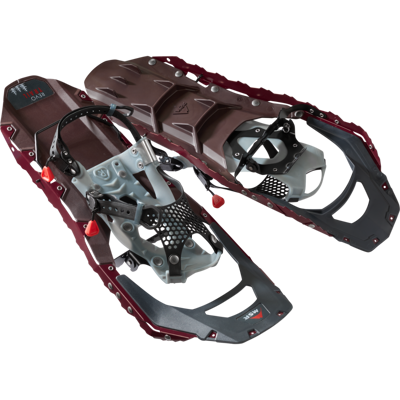
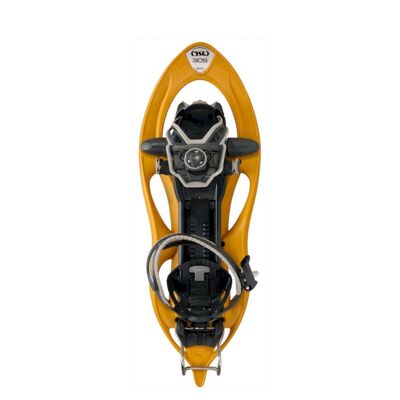
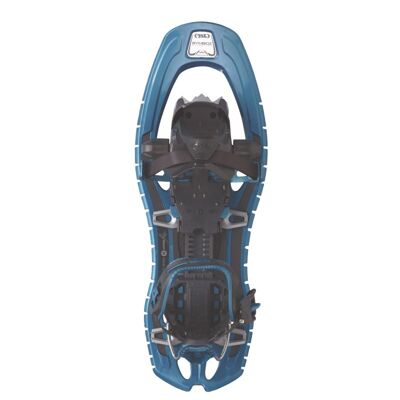
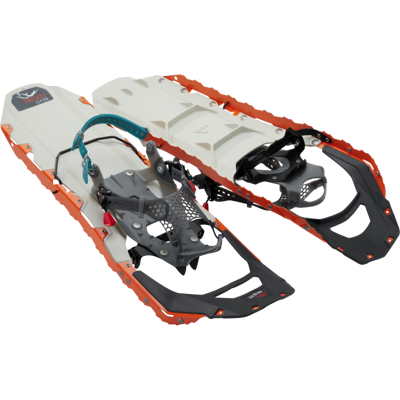
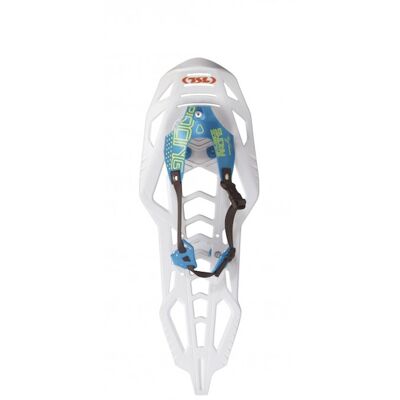
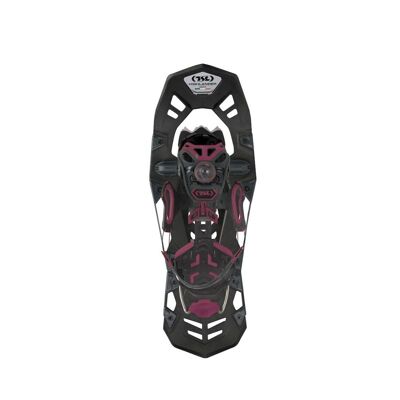
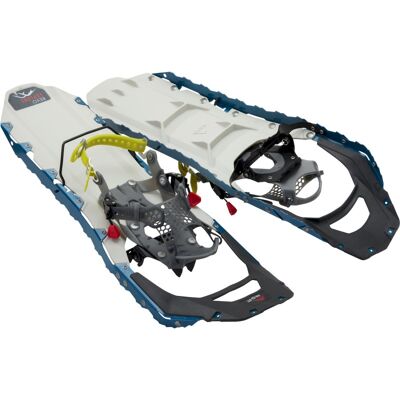
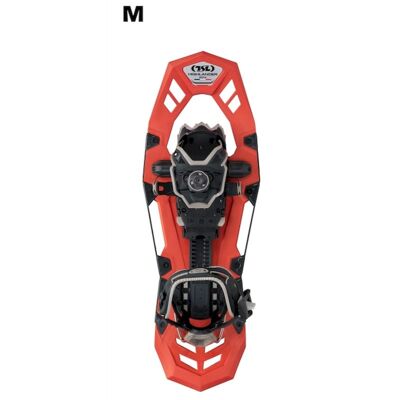
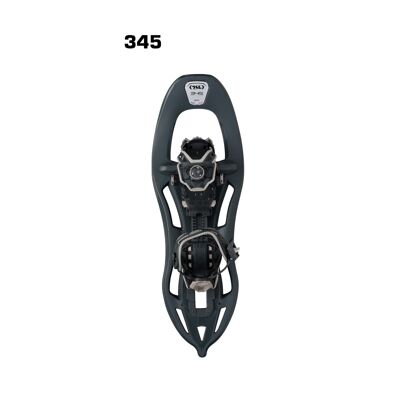
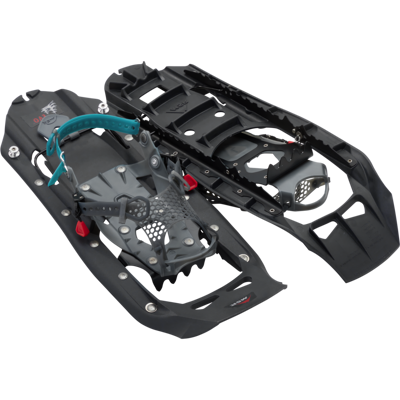
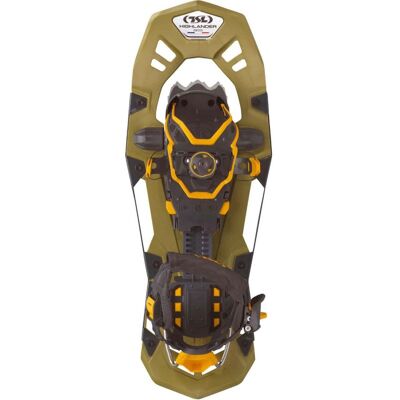
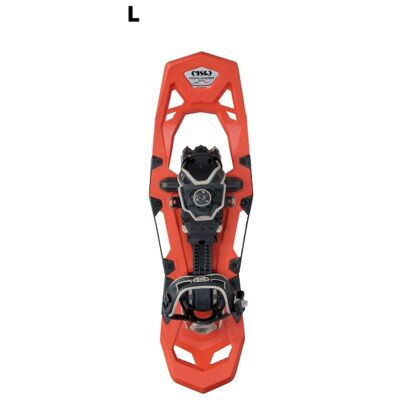
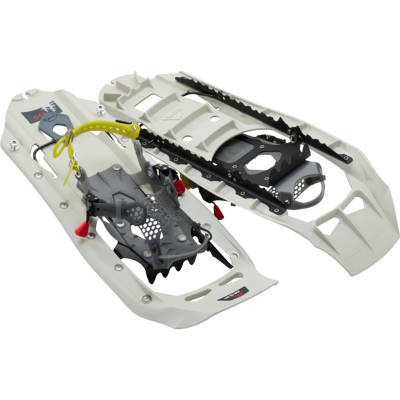
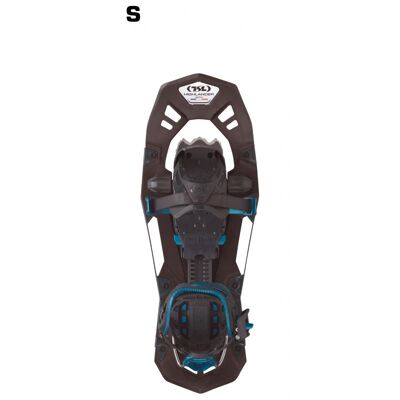
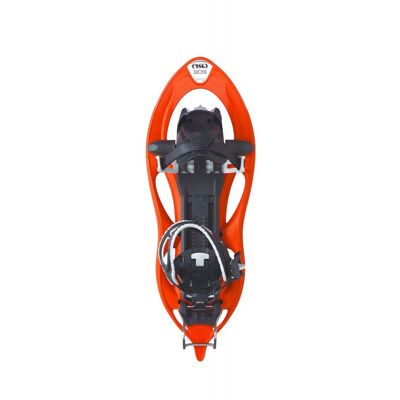
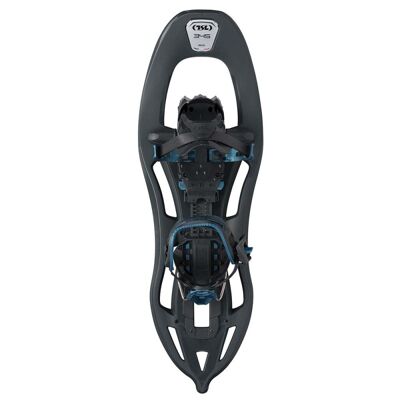
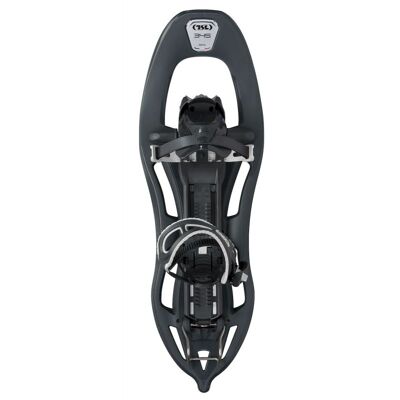
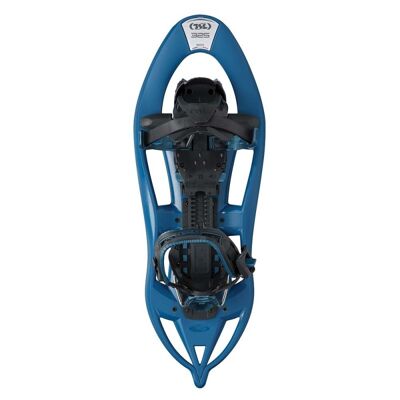
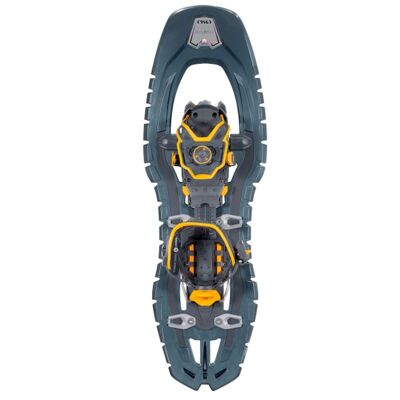
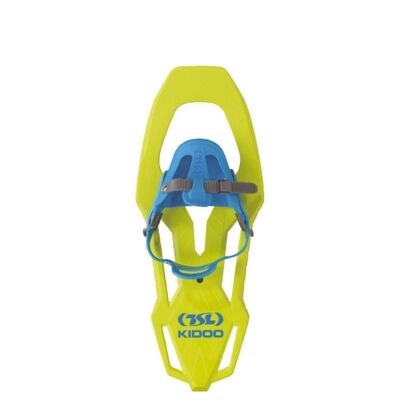
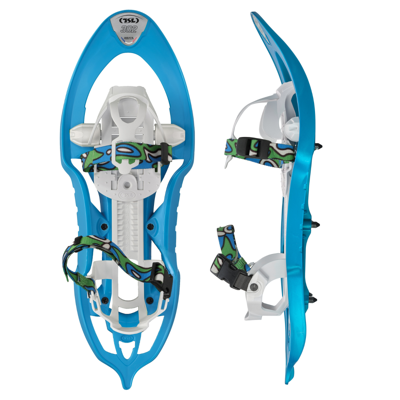
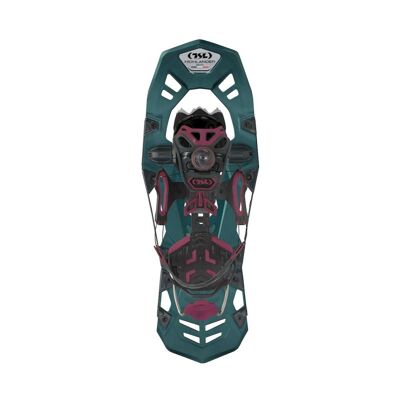
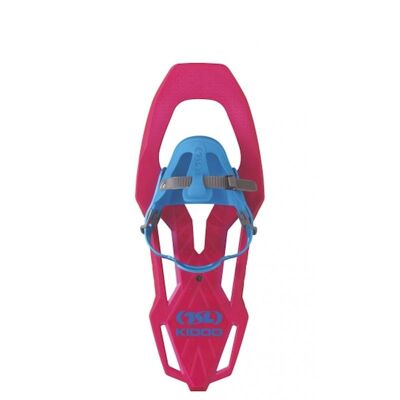
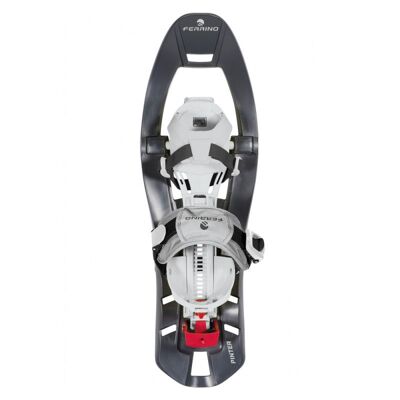
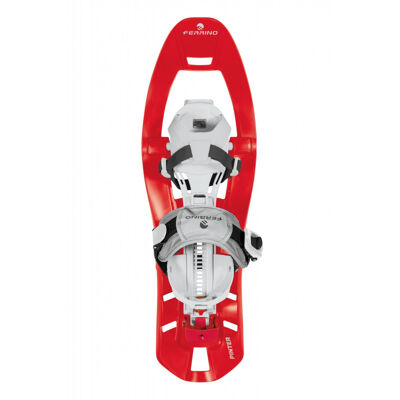
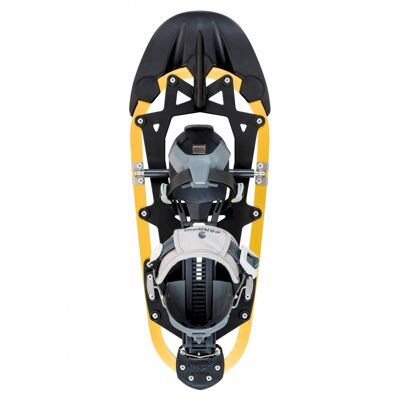
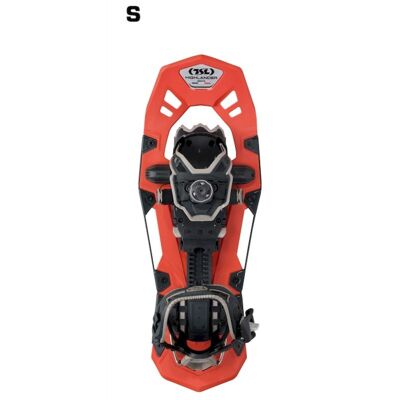
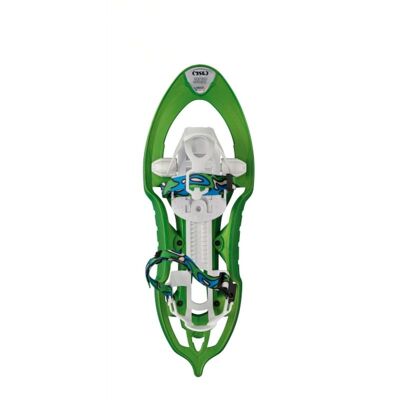
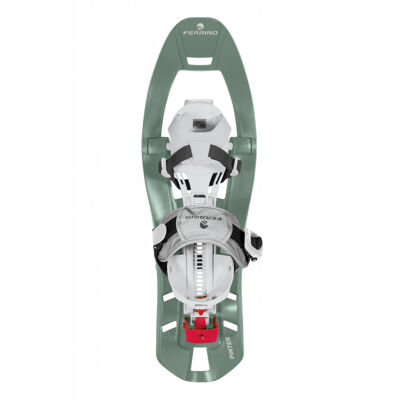
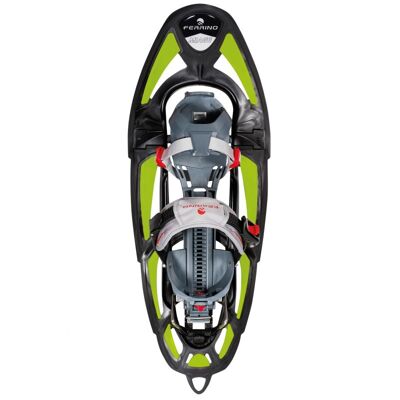
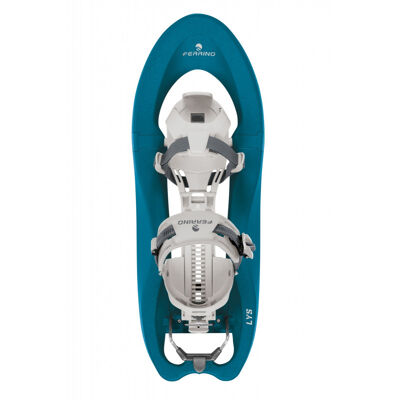
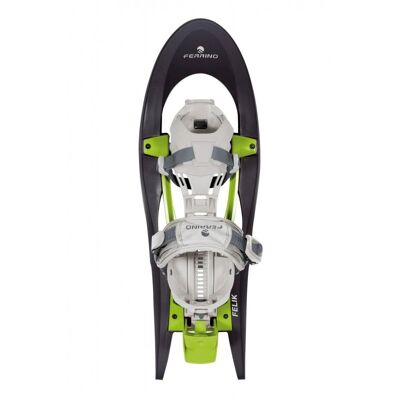
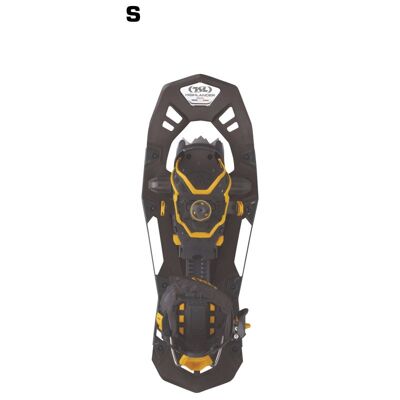
Snowshoes, the perfect accessory for powder lovers!
The snow has arrived, and with it an irresistible desire to trek for hours in the vast snowy plains around you with your snowshoes on! Physical and in direct contact with the snow and nature, snowshoeing attracts more and more enthusiasts each year, eager to observe the beauty of the mountains covered in their white coat, or simply to reach beautiful summits before tackling the descent on skis. A true breath of fresh air, snowshoeing is perfect for hikers who wish to continue walking during the winter and discover landscapes transformed by the snow, without sinking into deep snow! Also, the practice of snowshoeing requires a key element, which is none other than the snowshoe itself! A true technical tool, the snowshoe is incredibly effective against snow, making this true winter sport fun and accessible to all levels. Type of snowshoe, cramponnage, fitting, tips…: you will find here all the elements to understand how to navigate among all the models of snowshoes and how to get started in this field.
Snowshoes: how to choose them well
Snowshoes: different types of models
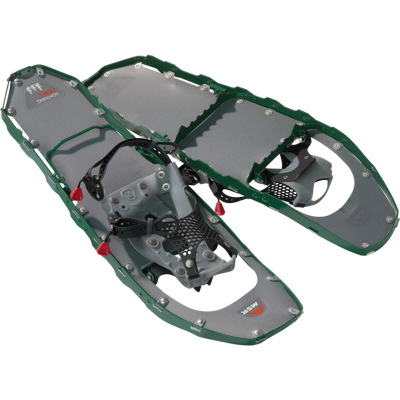
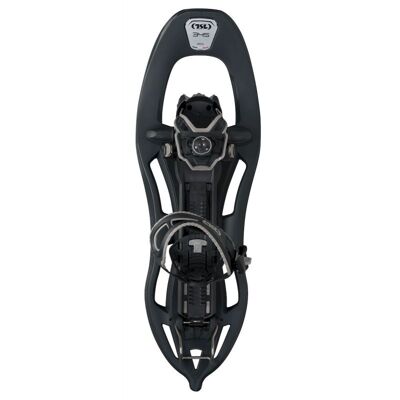
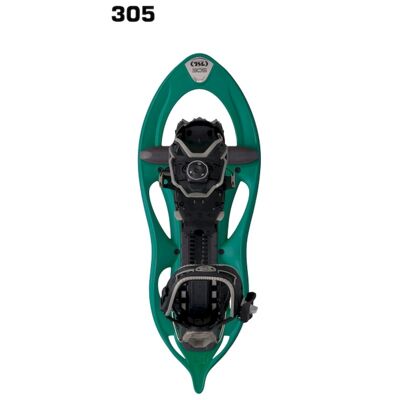
For steep slopes, for hard snow, for flat terrain: there are a multitude of models of snowshoes, more or less adapted to the type of profile of your outings. Thus, depending on the nature of the terrain, the surface of the snowshoes varies. For snowshoeing without difficulty, a narrow surface of less than 20 cm is ideal. On the other hand, for off-piste, which requires more stability, a width of 25 cm will be preferred. The surface area of your snowshoes also depends on your weight and height: for a child, the width will obviously be much less than for an adult model. As for the length, it generally varies between 55 and 65 cm, and again depends on your weight and the type of snow you will face. Generally, each model indicates the recommended weight for the snowshoes. To avoid mistakes, aim for a wider size, especially if you are used to doing snowshoeing with a rather heavy backpack, which adds significant weight to your snowshoes.
Beyond the surface area, the material they are made from plays an important role. The most common models are made of plastic, which are relatively durable while offering accessible price ranges. Snowshoes made of plastic are ideal for beginner to intermediate levels, which do not require particular technicality. On the other hand, for advanced to expert levels, snowshoes made of aluminium are preferable, as they offer better durability and performance, even in extreme conditions. And while there are different models of snowshoes, there are also several fitting systems.
Snowshoes: identifying the suitable fitting system
Indeed, there are several fitting systems for attaching your snowshoes to your shoes. Depending on the shoes you will be wearing, some systems will be more or less suitable. Thus, the two fitting systems you may find on snowshoes are strap systems or ratchet systems, the latter being particularly practical and quick to use. However, if your practice requires an optimal and very close fit to the foot, snowshoes with straps are preferable, as they will ideally hold your feet in place. Additionally, some models of snowshoes offer a foot locking system, which may also be required for intense practice. The ideal remains to try your snowshoes equipped with your hiking shoes, to test in real conditions the different adjustments and their compatibility.
Snowshoes: which cramponnage to choose?
Finally, crampons and spikes are the last criteria for choosing snowshoes. Generally, a spike is present at the front, ensuring essential grip on crusty snow. Some models also offer crampons under the surface, which are also appreciated. For the more experienced, spikes on the sides of the snowshoes allow tackling steep slopes, which are not essential for moderate practice.
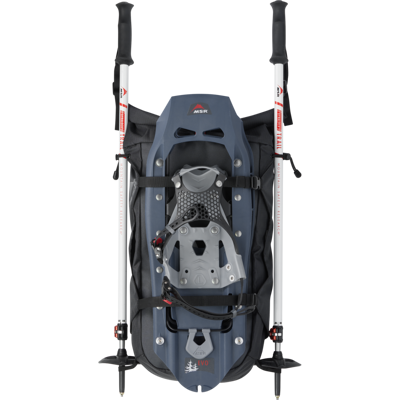
If cramponnage, fitting system, and surface area are determining factors for choosing your snowshoes, other ancillary elements are also important for the practice of snowshoeing, such as poles or the climbing wedge for example. Let's zoom in on the best practices for using your snowshoes correctly.
Snowshoes: tips for using them well
Snowshoes: an optimal adjustment
To ensure you don't find your foot in the snow at the first steps, it is essential to know how to properly adjust your snowshoes to your shoes. Thus, to achieve an optimal adjustment, several steps must be followed. First, as you might guess, you need to slide your foot inside the snowshoe. Be careful, some models offer a specific snowshoe for the right foot and one for the left foot. To avoid mistakes, when this is the case, make sure that the closure system is well placed on the outside of each of your feet. This will prevent any potential rubbing or even the straps from loosening. Also, for more comfort, ensure that your foot is placed well in the middle of the dedicated sole, unless your snowshoes are equipped with a special liner. In this specific case, move your foot to the end of the liner. Next, tighten the straps placed on top of the foot until you feel that your foot is sufficiently secured. In a third step, adjust the strap at the heel to ensure that your feet are well secured. Once these steps are completed, your snowshoes should be perfectly adjusted. If at this stage your feet are poorly secured or uncomfortable, it likely means that your shoes are not suitable for this model of snowshoes, which can happen depending on the type of shoes you are wearing. Once your snowshoes are adjusted to your feet, you can prepare to tackle the snowy trails and breathe in the surrounding landscapes! However, do you feel like something is missing from your outfit? You are right! You are indeed missing a key accessory for your snowshoeing adventures, just like for traditional hiking: poles!
The essential pair of poles for your snowshoeing
A key accessory to help you both uphill and downhill, poles are particularly crucial in snowshoes. When facing powder, you may often find yourself losing balance. Poles are then of great help. Likewise, to assist you in pushing uphill, a good pair of poles allows you to save your legs and distribute the push into your arms as well. Hikers know: nothing beats a pair of poles when facing a slope, whether uphill or downhill! Besides the poles, your posture can influence the ease of your progression against the elevation.
Snowshoes: adapting your posture according to the elevation
Both uphill and downhill, snowshoes require an adapted posture for more efficiency. Thus, uphill, when facing a significant slope, it is recommended to load your weight onto the front of your snowshoes, even if it means staying on your toes if the ascent is particularly steep. When descending, if the incline is low, a zig-zag or curved movement is possible. However, as soon as the slope becomes steeper, it is essential to descend facing the slope's axis, snowshoes parallel. For better stability, load your weight onto the back of your feet, and slide them one after the other in the snow. Place your poles a bit forward, so you can react quickly if your feet slip. Depending on the slope, it is also possible to adapt your snowshoes. Indeed, when descending, you can opt for a locking of your shoes, so that your shoes and snowshoes are united, which allows for much better stability. When ascending, however, detach your shoes from your snowshoes. This will allow for a much better foot roll, and you can thus load your weight onto the front of your feet when going uphill. To facilitate the ascent, some models of snowshoes also offer an option known as the climbing wedge.
Snowshoes: how to use the climbing wedge?
To tackle a steep ascent or particularly hard snow, the climbing wedge is particularly effective. Indeed, it allows you to artificially compensate for the slope, up to nearly 10 degrees! A detail that can quickly make a difference when facing significant elevation to relieve your aching calves. Optional, the climbing wedge is not found on all models of snowshoes, so it is important to inquire at the time of purchase to avoid unpleasant surprises once your snowshoes are unboxed!
Now that you know everything about snowshoes, we offer a quick overview of the different activities possible and their specificities.
Snowshoes: the different ranges according to your activity
Snowshoes for walking
For lovers of snowy landscapes and Sunday hikers, snowshoes for walking are specifically designed to offer comfort and ease of adjustment. Thus, for snowshoeing on easy to moderately difficult terrain, basic crampons and a spike are ideal, as well as a ratchet adjustment.
Snowshoes for alpine hiking
More demanding, alpine hiking involves greater elevations. As such, a climbing wedge can be an interesting option to relieve your sore calves. Depending on your level, spikes on the side may also be required to face significant slopes. Comfort, technicality, and grip are the key words here!
Snowshoes for winter running
After the white trails, winter running takes place in the mountains. The principle: to race down the slopes with your snowshoes, opting for quick strides uphill. Performance is the order of the day for this practice, so materials are important as lightness must be prioritized to facilitate your foot roll.
No matter your practice, you surely want to introduce your children to the joys of snowshoeing! Don't worry, specific models for children exist.
Snowshoes: and what about the children?
For their first steps in the snow, nothing beats snowshoes to introduce the youngest to the joys of powder! However, certain criteria must be taken into account to ensure your dear little ones enjoy this moment to its fullest. Thus, prefer snowshoes with 2 straps, allowing for foot support at the front and at the heel. Children having narrow feet, this option is indeed preferable. Also, to ensure your child's snowshoes grip sufficiently, check that they have at least 6 points (these acting as crampons for the younger ones). However, this only applies until about 8 years old. At this age, you can opt for snowshoes for adults, choosing the lightest possible, with a small surface (25 cm wide and 55 cm long are ideal for children aged 8 to 10 years). Finally, for shoes, prefer high hiking shoes, if possible waterproof to keep their feet dry throughout the day!
Find your snowshoes on Hardloop.fr
You can now approach the snowshoeing season with complete peace of mind! Snowshoes no longer hold any secrets for you: cramponnage, adjustments, climbing wedge, accessories: you are all set to tackle the snowy slopes of powder (and to climb them as well!). If you have any questions or doubts regarding your choice of snowshoes, whether for yourself or for your children's snowshoes, do not hesitate to contact our team of enthusiasts at 01 48 58 30 28 (free call) or by email at hello@hardloop.com. We will be delighted to answer all your questions and assist you in your upcoming outdoor adventures!