
Ski & Snowboard Clothing
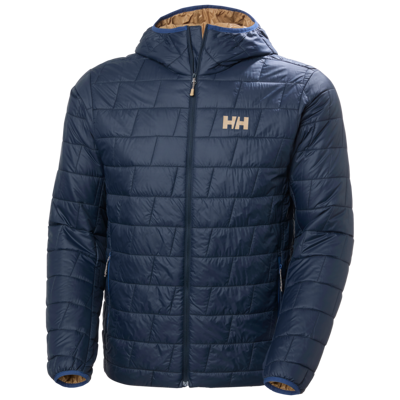
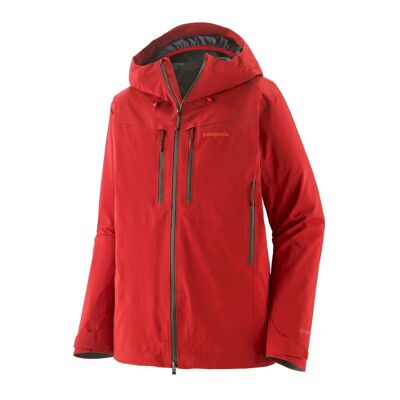
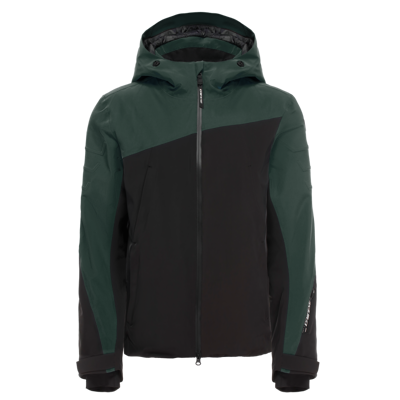
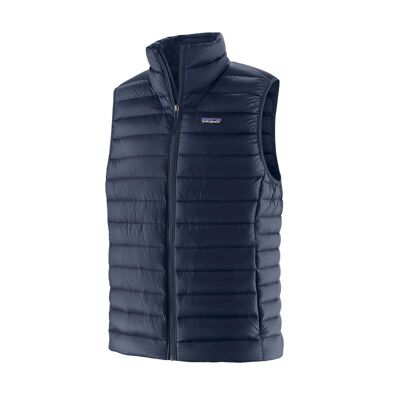
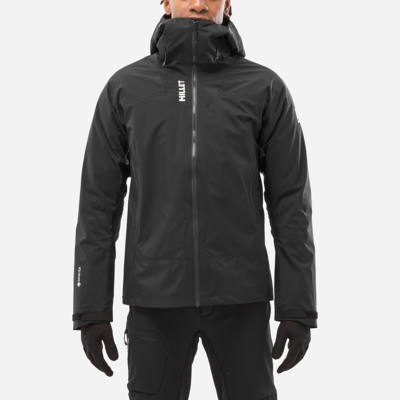
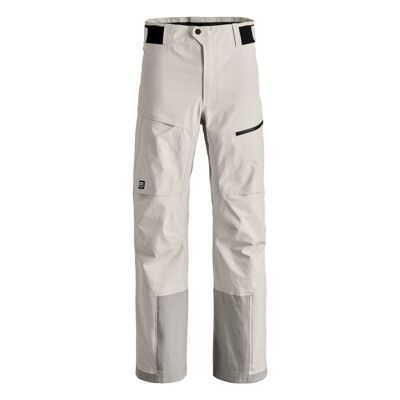
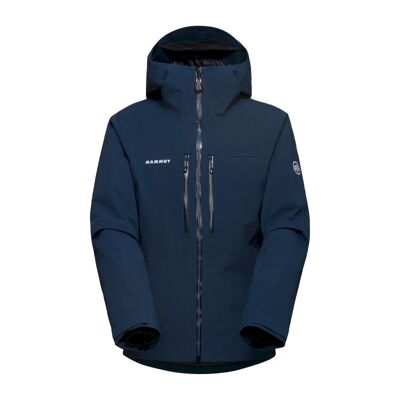
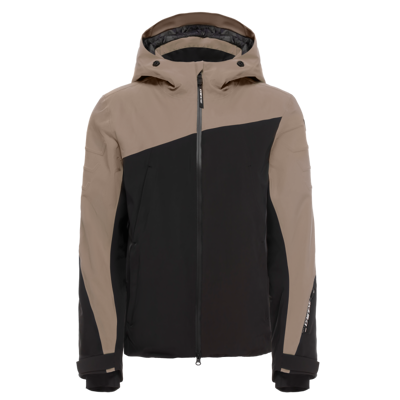
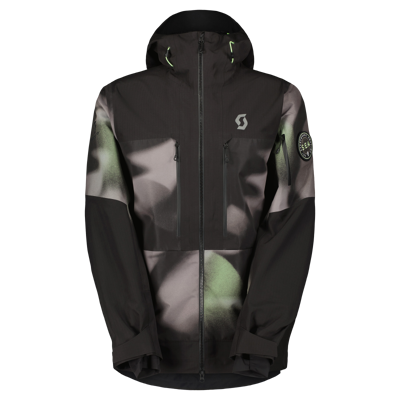
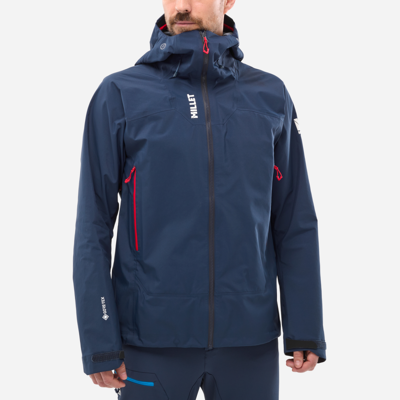
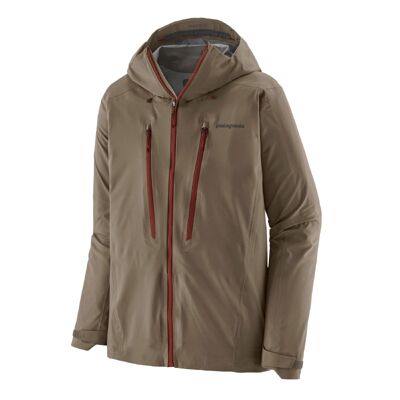
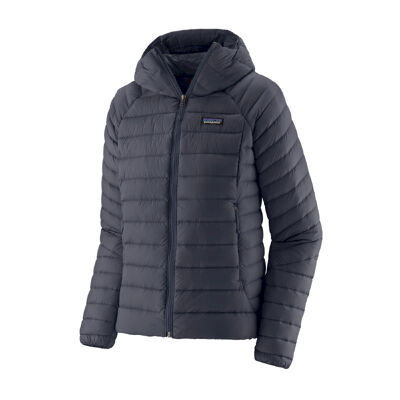
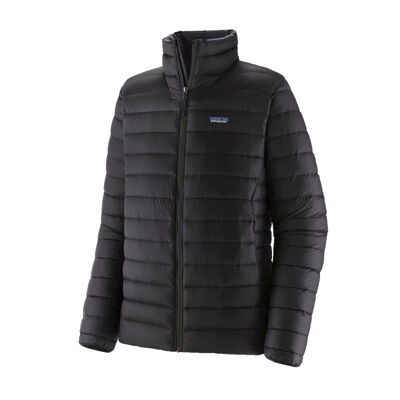
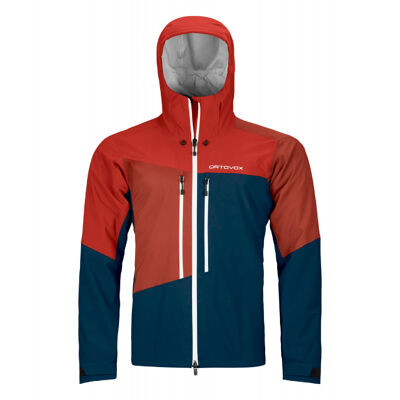
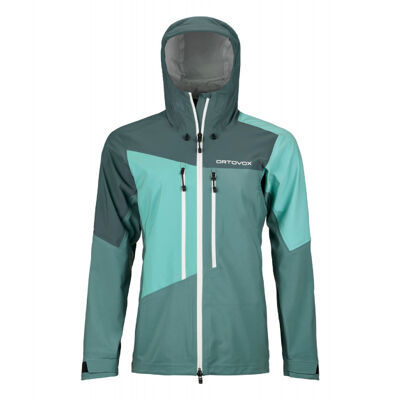
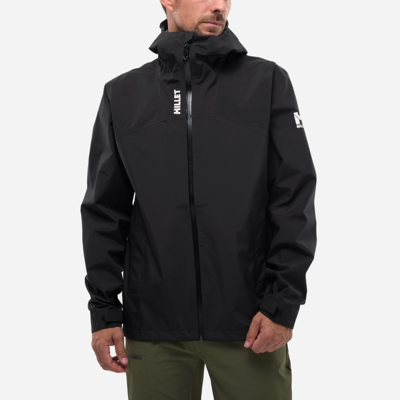
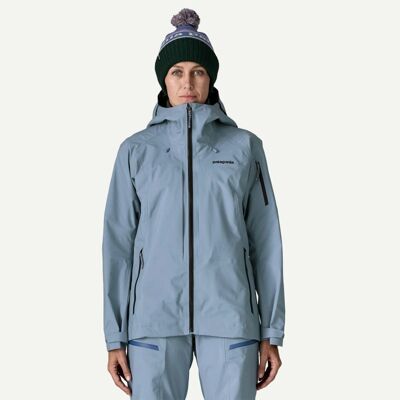
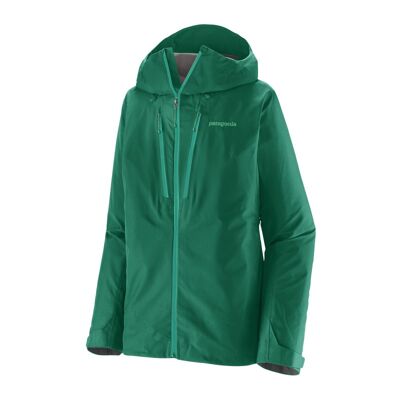
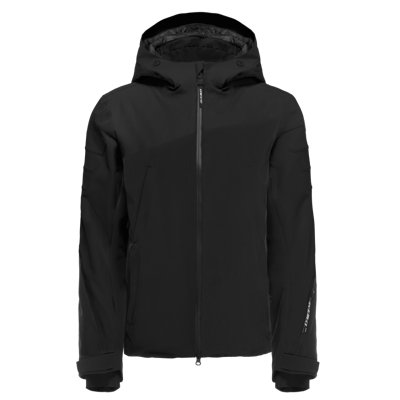
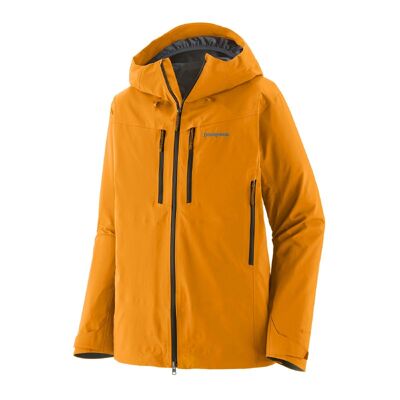
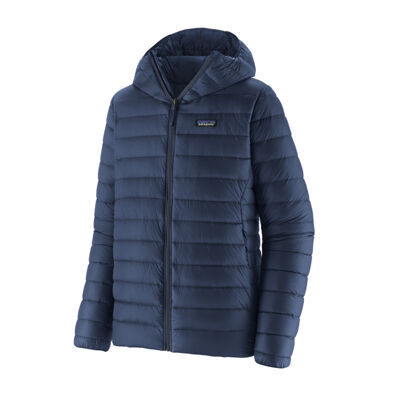
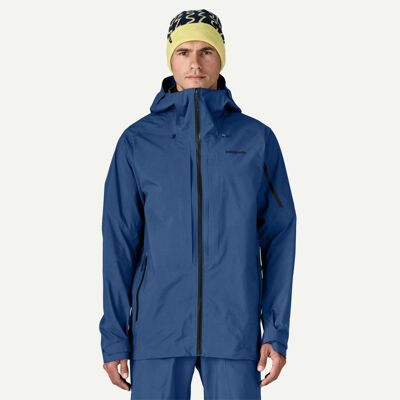
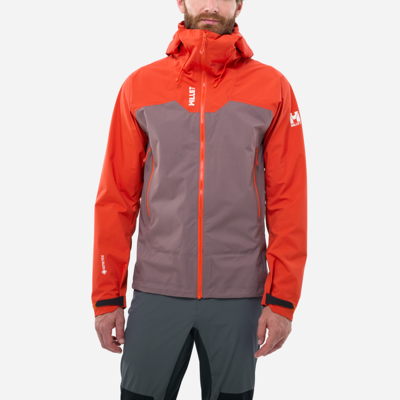
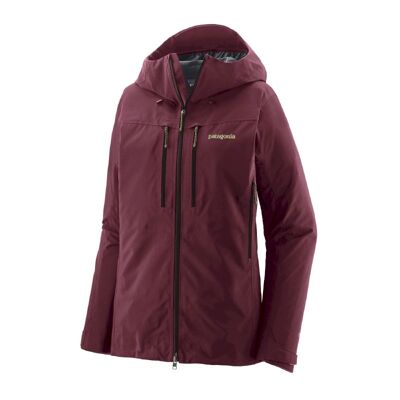
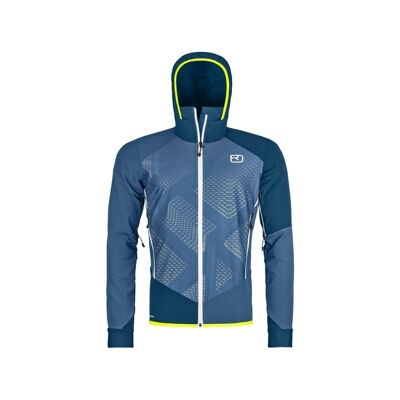
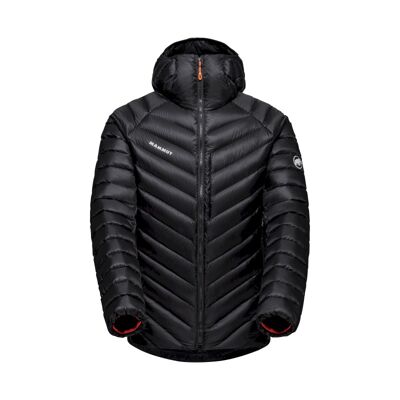
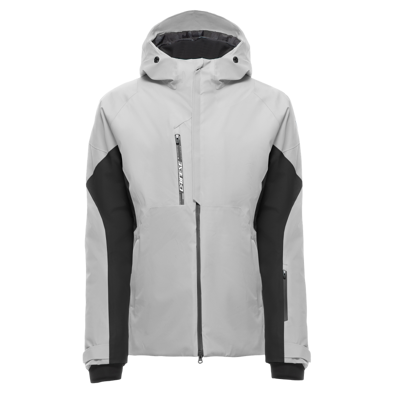
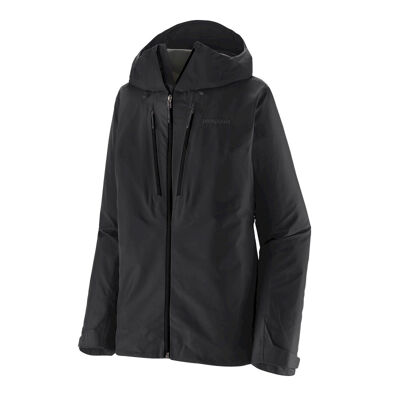
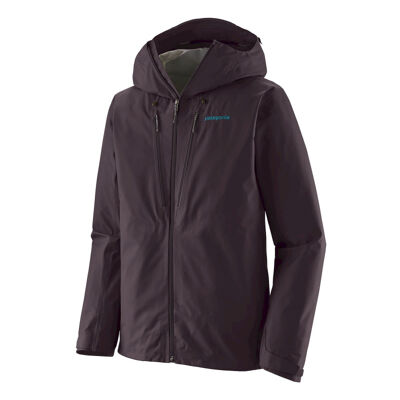
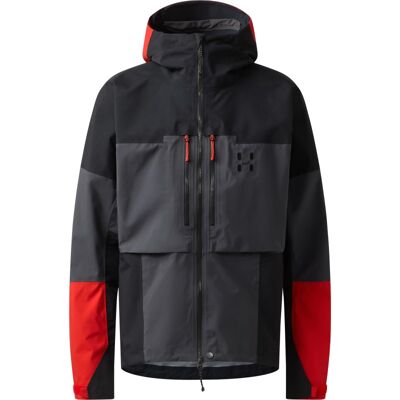
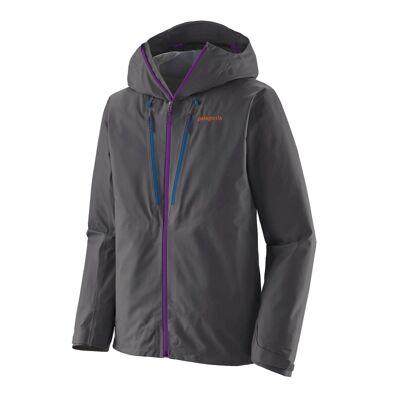
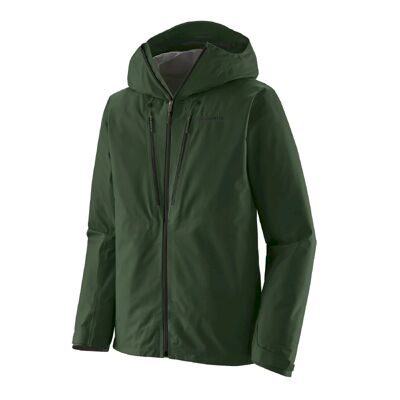
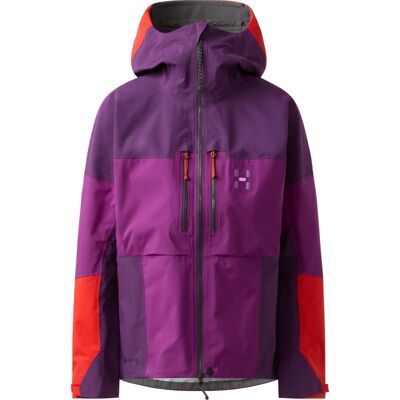
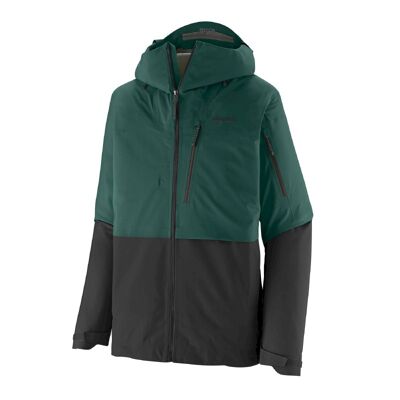
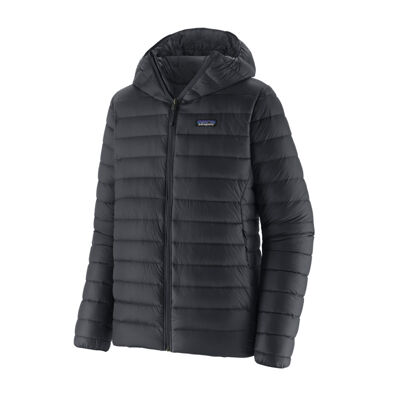
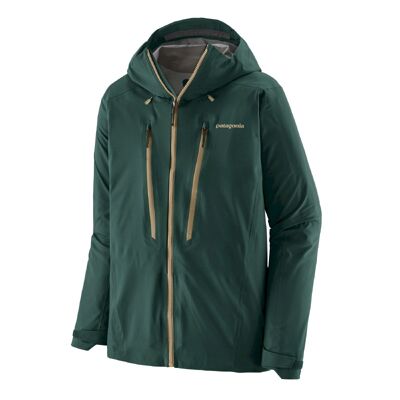
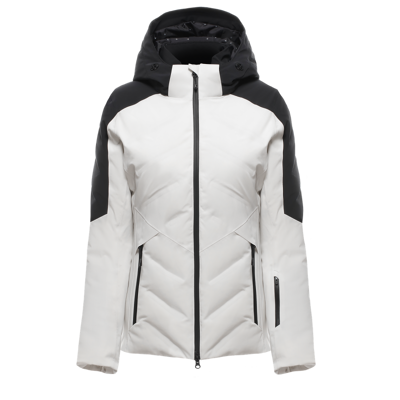
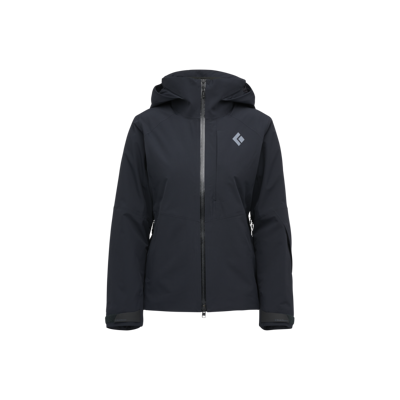
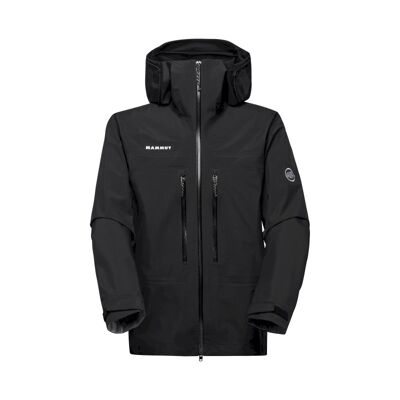
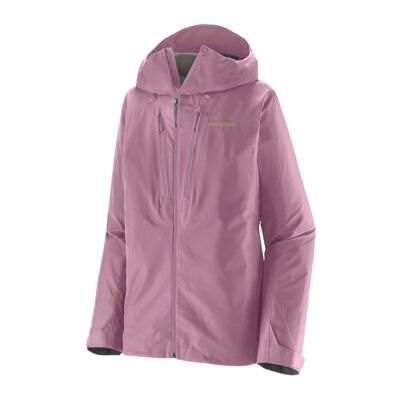
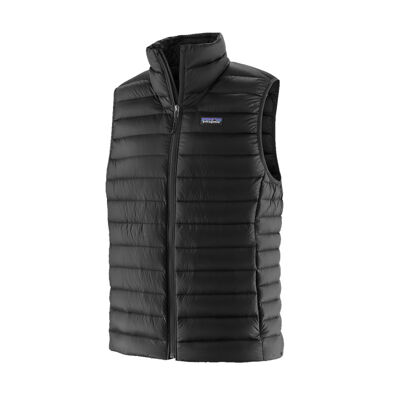
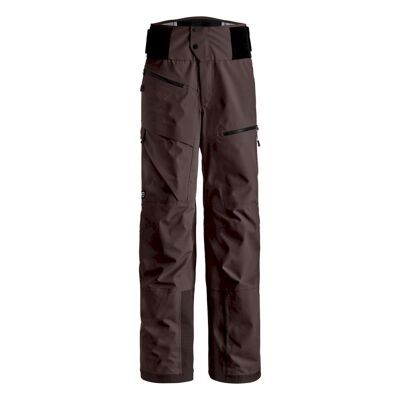
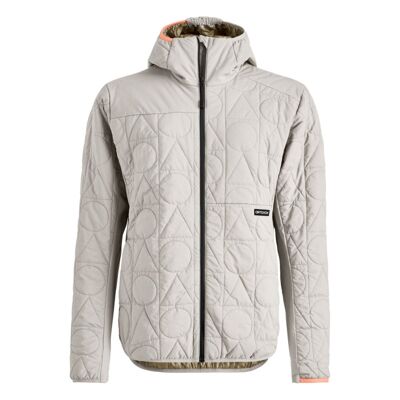
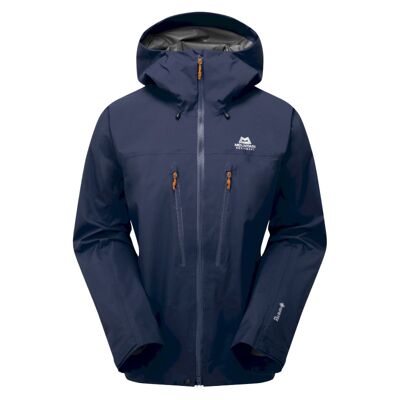
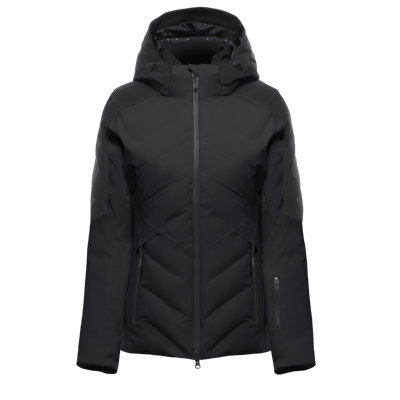
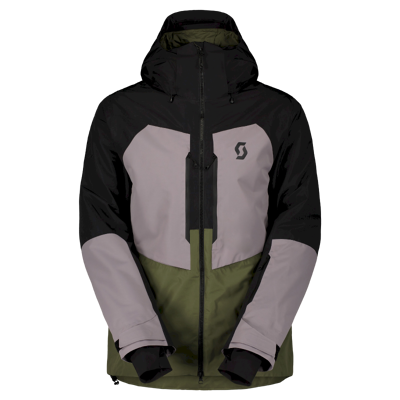
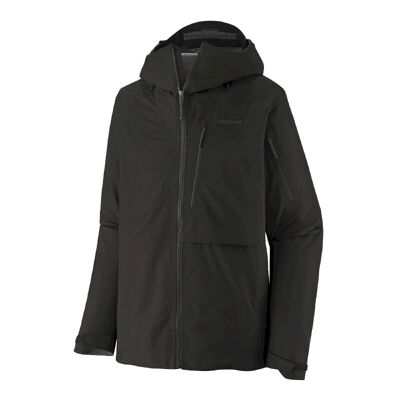
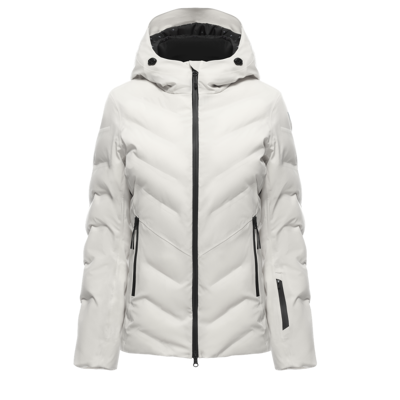
Ski & Snowboard Clothing: Your technical and high-performance outfit for hitting the slopes!
Whether you're a beginner or an experienced skier, cross-country skiing or downhill skiing: no matter your level and practice, you all need Ski & Snowboard Clothing that meets your needs and ensures your safety and comfort. Regardless of the weather, under a bright blue sky or a snowstorm, your ski outfit must keep you warm and dry so that the joy of gliding is always present. However, depending on your practice, the necessary Ski & Snowboard Clothing varies. If you've ever been to a specialist store for Ski & Snowboard Clothing, you will have quickly understood that each discipline has its own specific Ski & Snowboard Clothing. Nevertheless, three points are crucial in terms of Ski & Snowboard Clothing and common to all disciplines, namely breathability, insulation, and waterproofing, each of these characteristics varying to a greater or lesser extent depending on your preferred winter sport. For this, you will have understood, technical Ski & Snowboard Clothing is essential to meet all these requirements. Thus, while downhill skiing calls for thermal Ski & Snowboard Clothing to keep you warm, ski touring requires highly breathable and waterproof Ski & Snowboard Clothing but with less insulation. From ski jackets to technical base layers, from ski pants to down jackets: Ski & Snowboard Clothing is diverse and varied! Beyond traditional Ski & Snowboard Clothing, accessories are also essential to prevent you from getting cold. Beanies, scarves, snow gloves, socks: winter sports deserve adequate equipment. However, how do you find the ideal ski outfit among all the Ski & Snowboard Clothing available on the shelves? Alpine skiing, ski touring, freeride skiing, cross-country skiing: each practice has its ideal ski outfit! Fleeces, down jackets, softshells, ski jackets: the choice is varied and the models are all different from one another. If finding your Ski & Snowboard Clothing has been a real headache until now, then you are in the right place! In this article, we will clarify the subject for you, through a presentation by practice but also by type of Ski & Snowboard Clothing.
Ski & Snowboard Clothing: How to choose based on your practice?
Just like your ski equipment, your Ski & Snowboard Clothing must be suited to your practice. You wouldn't think of going down a downhill ski slope with cross-country skis? How would you climb the peaks on skis without skins? The same principles apply to Ski & Snowboard Clothing, which thus deserves a specific and thoughtful choice according to your practice and level. High cardio intensity for cross-country skiing, high speed for downhill skiing, contact with powder for freeride skiing, high altitude for ski touring: you will have understood, each practice is quite different from its counterparts and therefore deserves a detailed overview of each.
Ski & Snowboard Clothing for freeride skiing and ski touring
If you're a fan of strong sensations or eager to go off the beaten track, practitioners of off-piste skiing know well: their Ski & Snowboard Clothing must offer them great freedom of movement as well as perfect modularity. Indeed, while the significant physical effort in ascent causes you to sweat, in descent, the continuous contact with powder requires adequate insulation from your Ski & Snowboard Clothing. Thus, for freeride skiing, it is less difficult than for downhill skiing to maintain a high body temperature. However, the physical effort being particularly high, especially in ascent, you will sweat significantly, while you will have significant contact with powder and its humidity in descent. Here, more than ever, the 3-layer system applies! Thus, the idea for your Ski & Snowboard Clothing in freeride skiing is not so much to provide warmth to your body, but rather to combat humidity to stay dry. A technical base layer that wicks moisture and an outer layer equipped with a waterproof and breathable membrane are therefore your priorities. A mid-layer that is moderately insulating but very breathable is ideal. Moreover, you may have already noticed, Ski & Snowboard Clothing for freeride skiing is often looser than for downhill skiing or cross-country skiing. The reason? To offer you maximum freedom of movement, required for this demanding discipline. So opt for a ski jacket that is rather wide and long, suitable for your range of motion. The last crucial point of your freeride ski outfit concerns durability: facing the terrain and numerous external elements (trees, rocks, powder…), your Ski & Snowboard Clothing for freeride skiing must be sufficiently resistant. If these tips regarding Ski & Snowboard Clothing apply in freeride skiing, they are also valid in ski touring: breathability and waterproofing are your priorities in both cases! Insulation, on the other hand, must be present thanks to your second layer, while remaining moderate as your high physical intensity allows for sufficient heat supply.
Ski & Snowboard Clothing for downhill skiing
Unlike ski touring or freeride skiing, downhill skiing (or alpine skiing) requires a greater heat supply, and thus a second layer and/or a third layer (in the form of a ski jacket) that is more insulating. However, this statement should be qualified according to your level of practice: the higher your level, the more intense your practice is, and thus the level of insulation of your Ski & Snowboard Clothing is lower. Moreover, while Ski & Snowboard Clothing is often associated with ski pants paired with a ski jacket and thermal base layers, it is entirely possible to opt for a ski suit in downhill skiing! In vogue from the 1980s to 2000, ski suits have lost popularity in recent years. However, they are still Ski & Snowboard Clothing in their own right, which can still be worn, especially for downhill skiing. The essential takeaway in downhill skiing is quite similar to freestyle skiing, namely a thermal base layer that wicks moisture, a second insulating and breathable layer, and finally a third waterproof and breathable layer to protect you from moisture and avoid any sauna effect.
Ski & Snowboard Clothing for cross-country skiing
Winter sport in its own right, cross-country skiing is somewhat different, as it takes place on groomed terrain, and often at a much lower altitude than for the other disciplines mentioned. Thus, you will not use the same ski jacket for alpine skiing and cross-country skiing, or you risk turning into a marshmallow after 10 minutes! In this regard, breathability is the central point on which you must base your choice for Ski & Snowboard Clothing for cross-country skiing. Therefore, avoid a third layer like a downhill ski jacket, but rather opt for a thin hardshell. The 3-layer system is thus, just like the other disciplines, applicable here, allowing you to put on or take off your various layers as you wish.
While it is important to choose your Ski & Snowboard Clothing based on your practice, it is also useful to know the different Ski & Snowboard Clothing available, and to understand the features, advantages, and disadvantages of each.
Ski Jackets
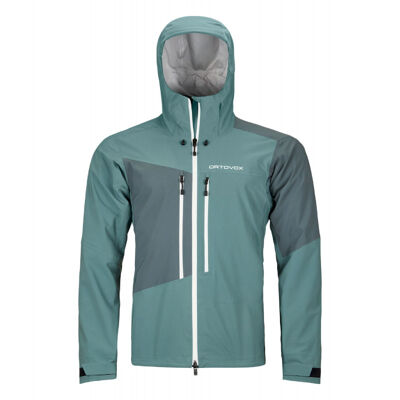
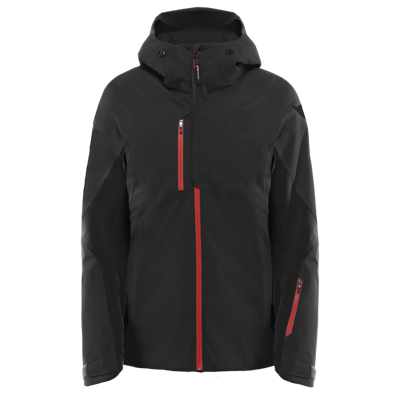
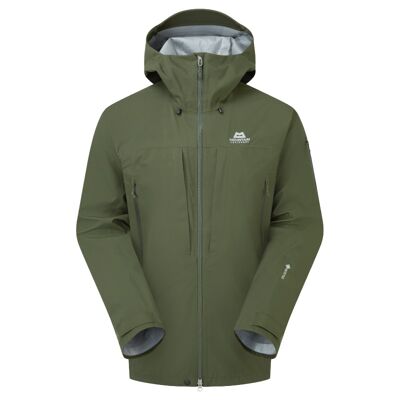
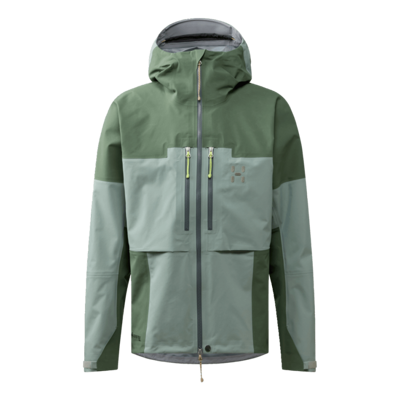
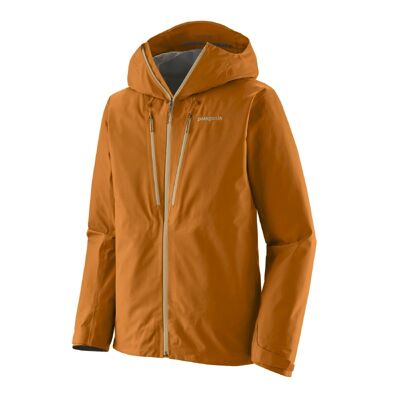
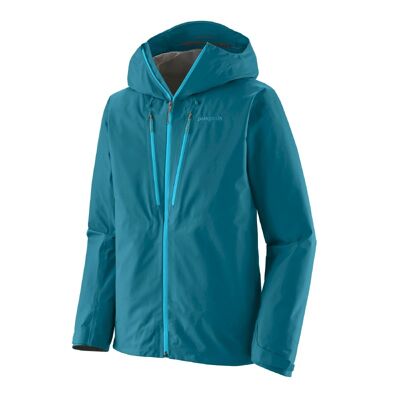
The key element of your ski outfit, the ski jacket is an essential piece of your Ski & Snowboard Clothing. However, it is good to know the different types of ski jackets available, in order to find the ideal ski jacket for your activity. Thus, there are 3 types of ski jackets: the traditional ski jacket, the hardshell, or the 3-in-1 jacket.
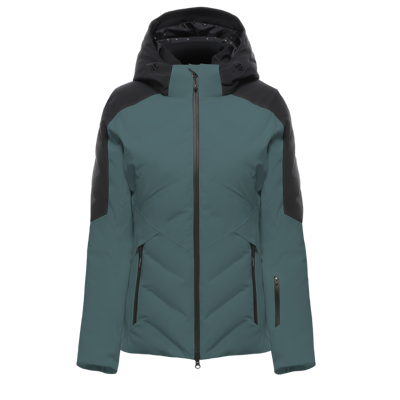
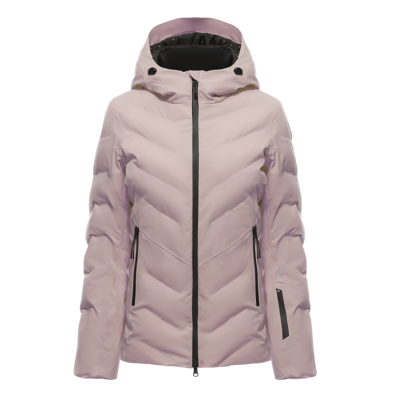
-The traditional ski jacket is THE quintessential Ski & Snowboard Clothing. Often waterproof, the traditional ski jacket is also the one that keeps you warmest, thanks to its built-in lining. The traditional ski jacket is thus the essential Ski & Snowboard Clothing for downhill skiing, to keep you warm enough during ski lifts or against the wind on ridges or during descents. It is also suitable for freeride skiing when lifts are used. With this Ski & Snowboard Clothing, you can fall without fear into the powder, or face whiteout days without feeling the cold outside. Waterproof and insulating, the traditional ski jacket is the most common Ski & Snowboard Clothing on the slopes.
-The hardshell can also be used in the world of ski. This is particularly true for cross-country skiing or ski touring, for which a thermal lining would be too much given the intensity of physical effort. Protective against external elements, the hardshell is a full Ski & Snowboard Clothing that is used as a third layer just like a traditional ski jacket.
-Finally, the 3-in-1 jacket is the combination of several Ski & Snowboard Clothing, namely a thermal second layer and a waterproof and windproof third layer. Highly versatile, the 3-in-1 jacket allows you to travel light, as you will only need to wear one Ski & Snowboard Clothing underneath, namely a technical base layer, and adjust your 3-in-1 jacket according to the weather, by removing or reattaching the removable lining as needed.
3 models of ski jackets:
-Covent Gtx 3 in 1 Jkt M -Eider
-Grands Montets GTX Jkt -Millet
-Kamet Light GTX Jkt -Millet
Ski Pants
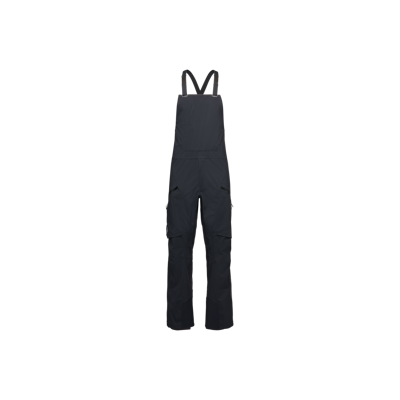
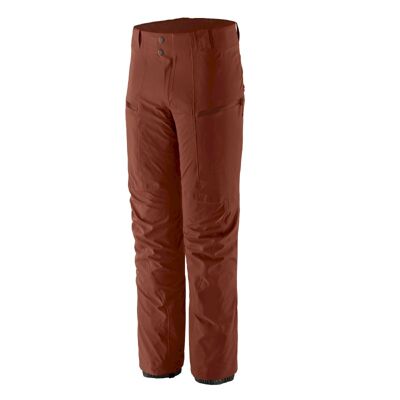
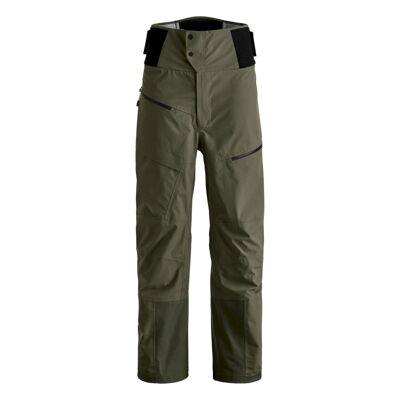
Just as a trail runner equips themselves with shorts or trail tights, a skier cannot hit the slopes without their ski pants. Just like the ski jacket, the ski pants are an essential Ski & Snowboard Clothing to face the cold and snow. Waterproof and insulating, this Ski & Snowboard Clothing must keep your legs warm and dry, without making you feel like you're in a sauna. To do this, it is crucial to choose your ski pants based on your practice. To find the ideal Ski & Snowboard Clothing, you must refer to two metrics, namely waterproofing and breathability, respectively the Schmerber level and the MVTR level or RET. Regarding the Schmerber level, the higher it is, the more waterproof your Ski & Snowboard Clothing is, and conversely, the less breathable it is. For the MVTR level, the higher this figure is, the more breathable your Ski & Snowboard Clothing is. For the RET level, the opposite prevails: the lower the number, the more important the breathability is. You will have understood, depending on your practice, the breathability and waterproofing of your Ski & Snowboard Clothing must adapt to the intensity level of your practice. Thus, for downhill skiing, moderately waterproof and breathable pants will do the trick. In contrast, for ski touring, particularly waterproof and breathable pants are required. Moreover, as with other Ski & Snowboard Clothing such as a hardshell, it is possible to find ski pants with 2, 2.5, or 3 layers. Just like for the levels of waterproofing and breathability, the choice of these different layers is made according to your practice. Thus, a Ski & Snowboard Clothing with 3 layers is suitable for alpine skiing, while for freestyle skiing, a Ski & Snowboard Clothing with 2 or 2.5 layers is preferred due to its greater breathability.
-Kensington Snowpants -Protest
-Haldigrat HS Pants -Mammut
-Stowe Pant -Ternua
Fleeces for Skiing
Originally used as a Ski & Snowboard Clothing, the fleece jacket is now an essential piece of our wardrobe as it has conquered the fashion world. Worn in many outdoor sports such as trail running, hiking, Nordic walking, or climbing, the fleece is also a Ski & Snowboard Clothing that has its place for your snowy expeditions. Less warm than a down jacket, the fleece is, however, highly recognized for its breathability and effective moisture-wicking capabilities. Thus, the fleece is a versatile Ski & Snowboard Clothing that can be used for all winter sports, provided you know how to choose it well! Like a Ski & Snowboard Clothing system with multiple layers, a ski fleece can be divided into 3 categories, namely the thin fleece, intermediate, or thick. A thin fleece thus finds its place in cross-country skiing or ski touring, as these are high-intensity activities for which you do not need a significant heat supply but rather excellent moisture management from your Ski & Snowboard Clothing. An intermediate ski fleece is perfect for downhill skiing, or possibly freeride skiing if you are using ski lifts for the ascent. Finally, a thick fleece is a Ski & Snowboard Clothing dedicated to activities at very high altitudes such as alpinism or ski mountaineering. A ski fleece is therefore the ideal Ski & Snowboard Clothing for all practices to be worn as a second layer, under your ski jacket, and over your technical base layer.
-Seneca Tecno Jkt -Millet
-K Lightgrid Jkt M -Millet
-TechnoStretch PO -Millet
Down Jackets for Skiing
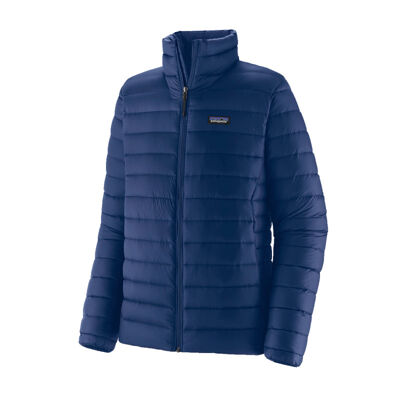
Known for their thermal and insulating properties, the down jacket is a very useful Ski & Snowboard Clothing. A second layer just like the fleece, the down jacket is, however, a Ski & Snowboard Clothing that is less breathable, ideal for activities of moderate to medium intensity or facing lower temperatures than with a fleece. For those who feel the cold (and the cold), the ski down jacket is therefore the perfect Ski & Snowboard Clothing for downhill skiing. However, be careful to distinguish between synthentic down jackets and down jackets, the latter not tolerating moisture. As Ski & Snowboard Clothing for alpine skiing, choose a synthentic down jacket, which will be more breathable and thus more suitable for practice. In contrast, for alpinism or ski mountaineering, extreme temperatures will welcome a down jacket, which is warmer and more insulating.
3 models of ski down jackets:
-Micro Puff Jkt -Patagonia
-Haloes Down Jkt M -Salomon
-Variant Jacket -Marmot
Technical Base Layers for Skiing
As we have seen, Ski & Snowboard Clothing is diverse and varied. However, one Ski & Snowboard Clothing remains common to all practices, namely technical base layers. An integral part of your Ski & Snowboard Clothing, technical base layers are designed to be breathable while providing the necessary warmth. Ski base layers are also Ski & Snowboard Clothing that should allow you a great range of motion. Like a fleece, your technical base layers should adapt to your practice: choose a base layer that is rather thin for cross-country skiing, moderately thin for ski touring or freeride skiing, and rather thick for alpine skiing. Beyond the thickness of your Ski & Snowboard Clothing, the materials used for your ski base layers are very important. Thus, avoid cotton, especially for intensive practice, which poorly wicks moisture. Also, prefer a high collar for alpine skiing or ski mountaineering, for example, which will better protect you from the cold. Finally, for practices where the cold is particularly important, a ski tight is a particularly appreciated Ski & Snowboard Clothing.
-Warm long-sleeve crew neck -Odlo
-Warm -Odlo
-Cool-Lite Sphere Short Sleeve Crewe -Icebreaker
Beanies for Skiing
Just like a jacket or pants, snow beanies are Ski & Snowboard Clothing in their own right. Because your extremities are put to the test and are the most sensitive parts to the cold, it is therefore essential to equip yourself with this type of Ski & Snowboard Clothing to avoid heat loss. Synthetic, made of cotton, or wool: there are a multitude of snow beanies!
-Polyknit fan -Odlo
-Dorado Beanie -La Sportiva
-Polyknit -Odlo
Scarves for Skiing
The second accessory as important as snow beanies, the scarf is an important Ski & Snowboard Clothing, as your neck is particularly sensitive to the cold. When the weather warms up, the scarf or neck gaiter is a Ski & Snowboard Clothing that finds its place in your backpack.
-Warm -Odlo
-Flexichute -Icebreaker
-Ceramiwarm Pro Tube -Odlo
Socks for Skiing
Have you ever experienced “frostbite” on your toes? If this bad memory still haunts you, it’s time to invest in good socks for skiing to complete your ski outfit. Indeed, Ski & Snowboard Clothing is not limited to the middle of the body: every part of your body must be equipped with suitable Ski & Snowboard Clothing for practice.
-Ski + Medium Over The Calf -Icebreaker
-Falke Sk2 Women -Falke
-Access -Monnet
Suspenders for Skiing
Heritage of old ski pants, suspenders for skiing have almost become a staple accessory just like your other Ski & Snowboard Clothing. Practical, suspenders for skiing are ideal for activities such as freestyle skiing or ski mountaineering, for which precise adjustment of your Ski & Snowboard Clothing against your large ranges of motion is essential. You will no longer fear losing your ski pants in the powder (which is rather reassuring!).
-Eider Suspenders -Eider
-Masset Suspenders -Protest
-Hold'Em Suspenders -Dakine
Find your Ski & Snowboard Clothing on Hardloop.co.uk
Hardloop has partnered with the biggest ski brands to offer you the best range of Ski & Snowboard Clothing: Patagonia, Mammut, Black Diamond, Millet, Eider, Icebreaker... With technical and suitable Ski & Snowboard Clothing, hitting the most beautiful snowy slopes has never been so enjoyable! If you have difficulty finding the Ski & Snowboard Clothing that suits your needs, do not hesitate to contact us at 01 48 58 30 28 (free call) or by email at hello@hardloop.fr. Our expert team will gladly and professionally guide you!