
Ski Jackets
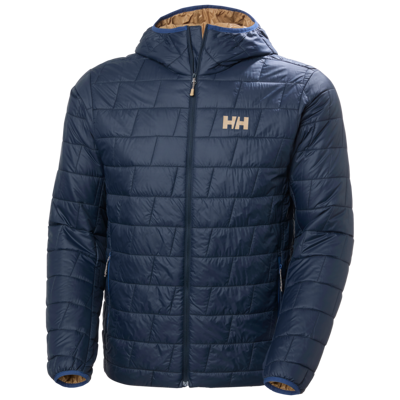
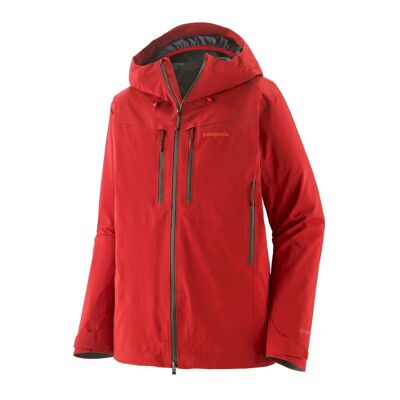
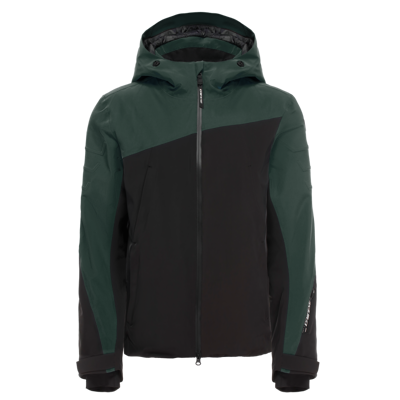
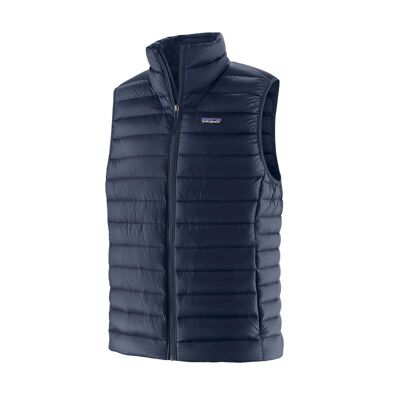
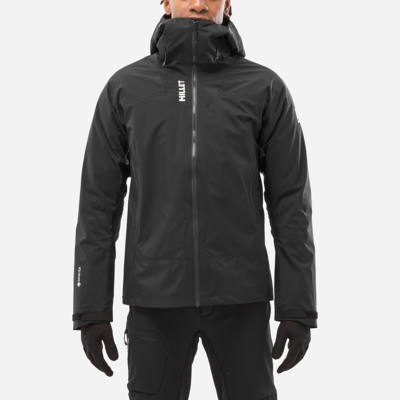
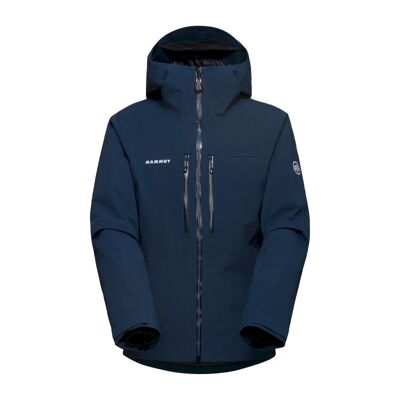
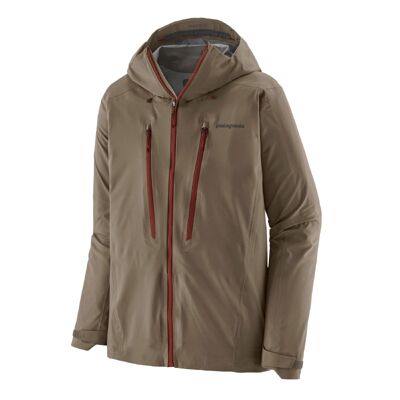
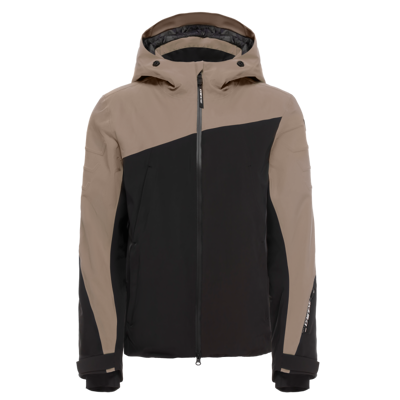
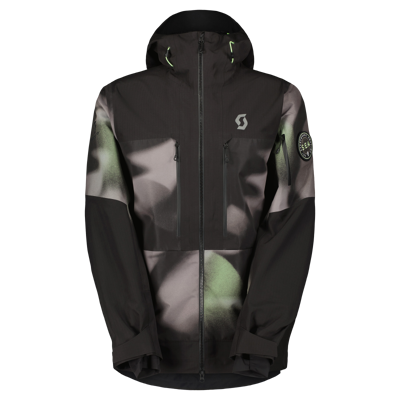
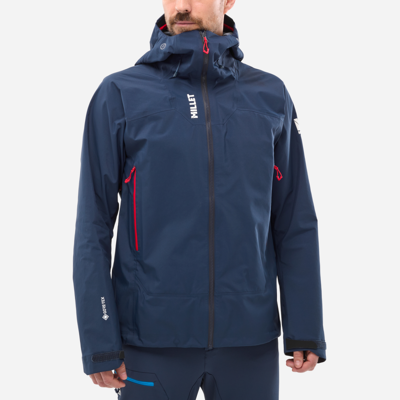
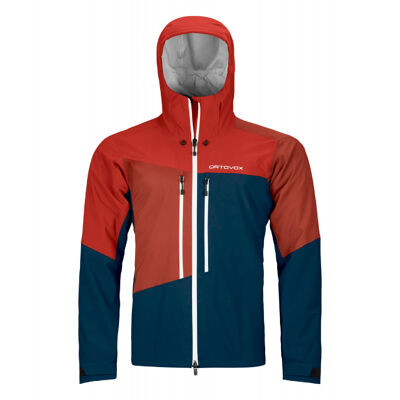
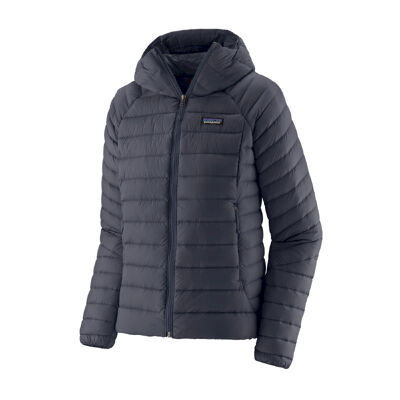
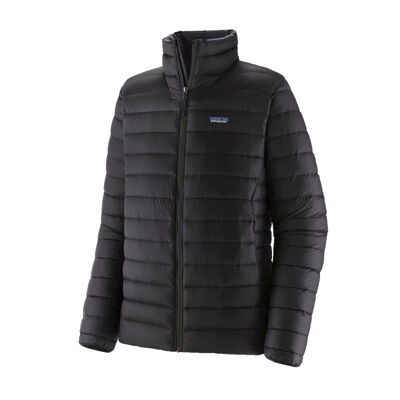
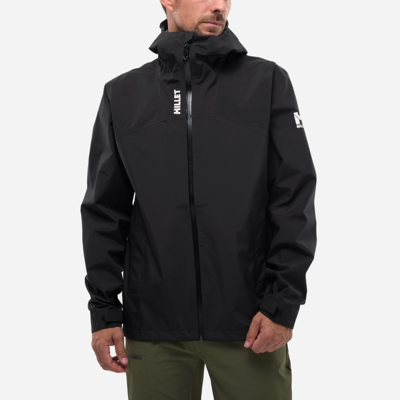
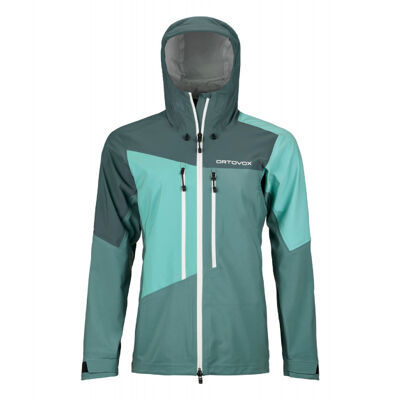
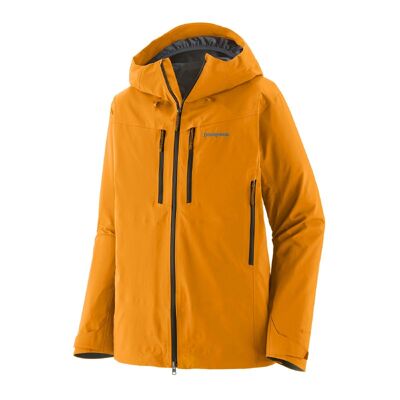
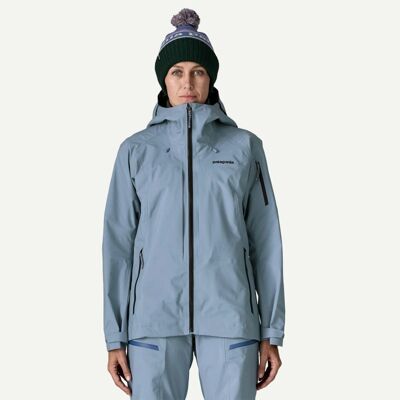
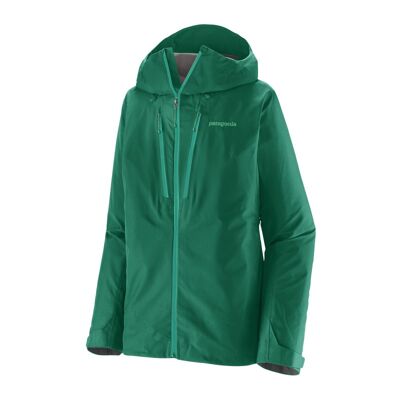
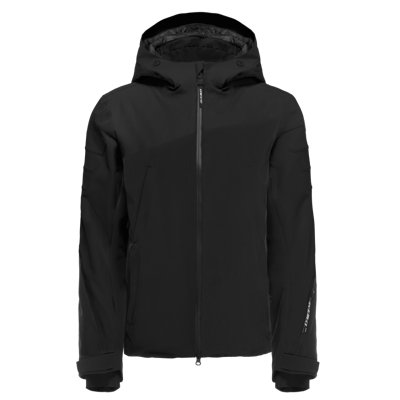
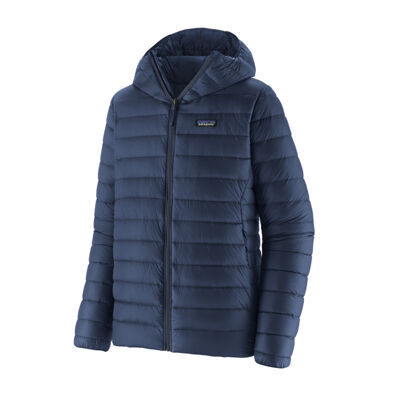
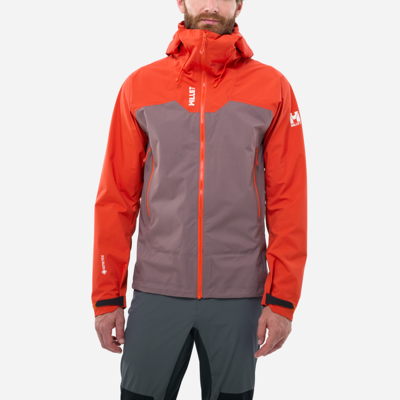
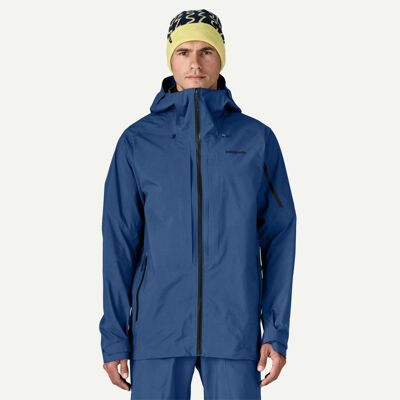
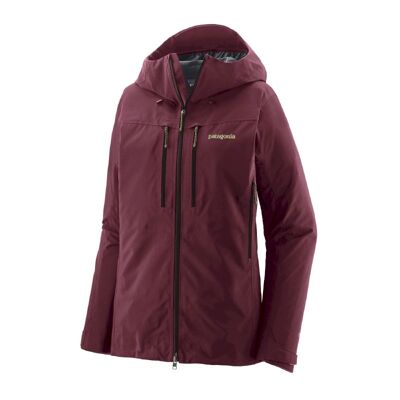
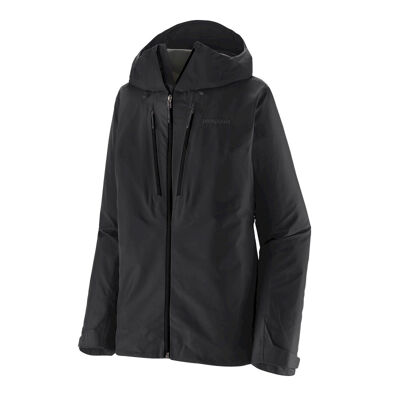
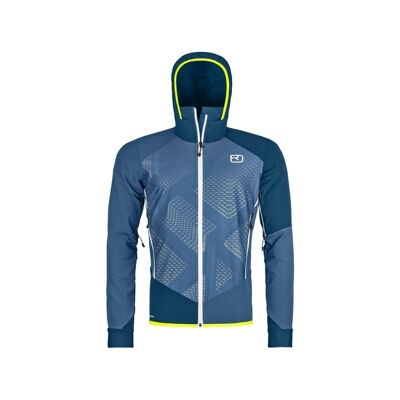
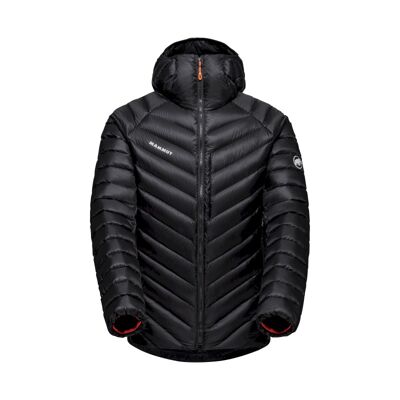
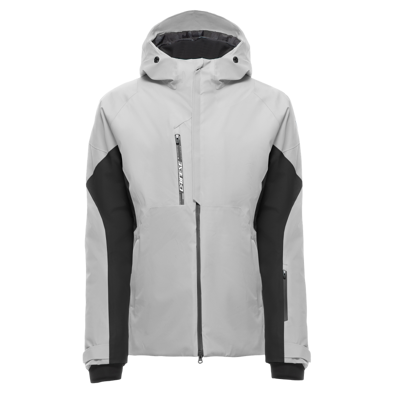
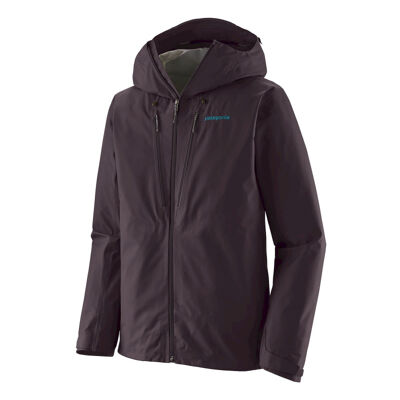
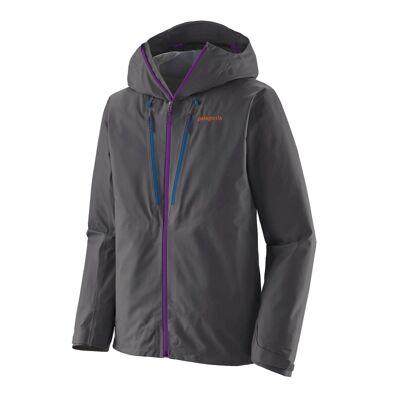
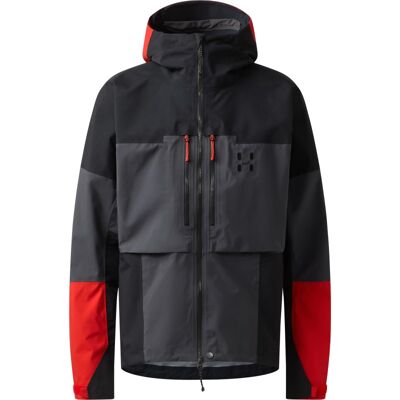
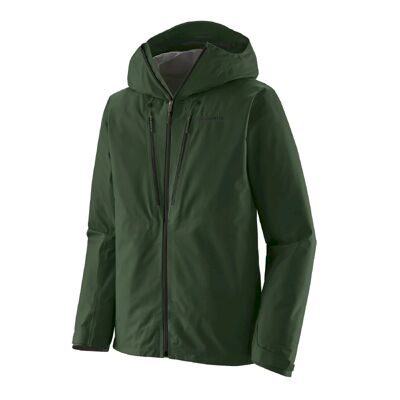
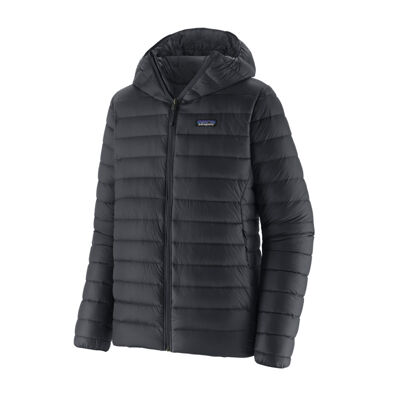
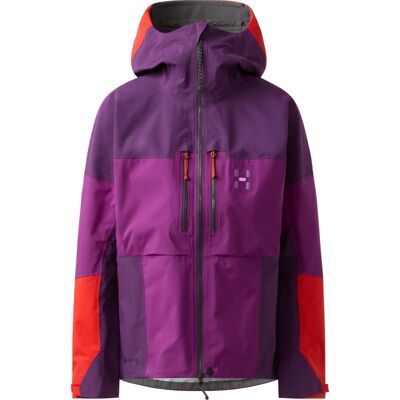
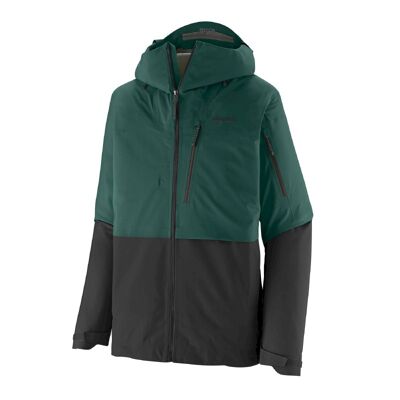
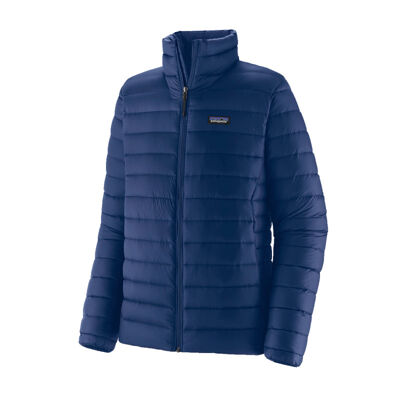
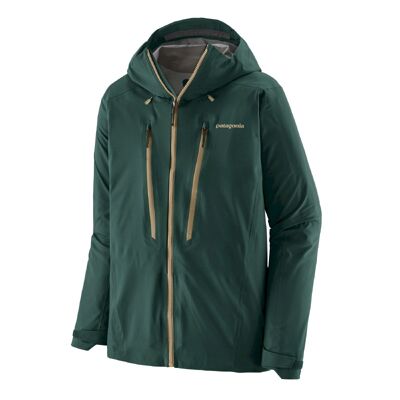
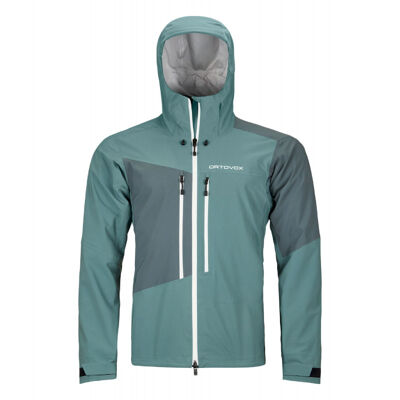
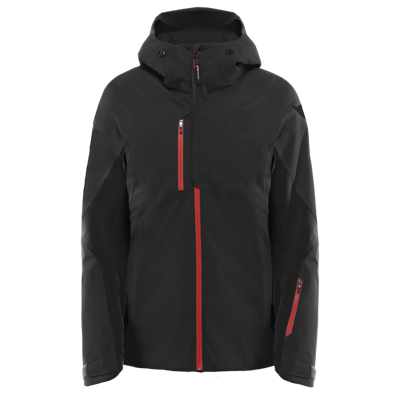
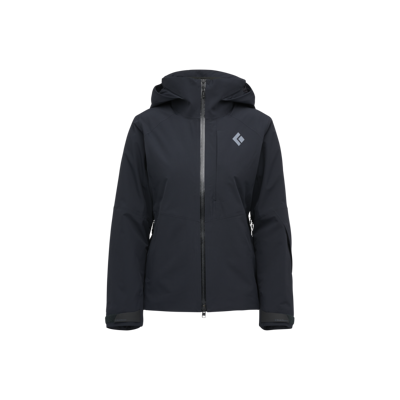
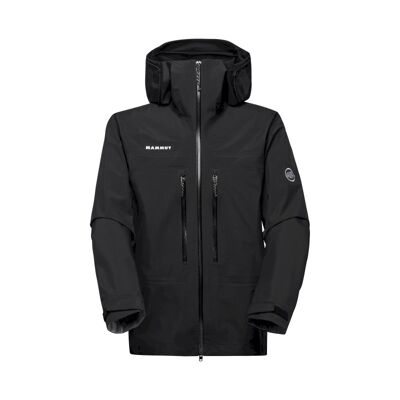
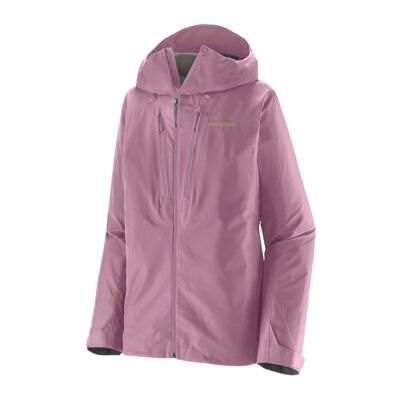
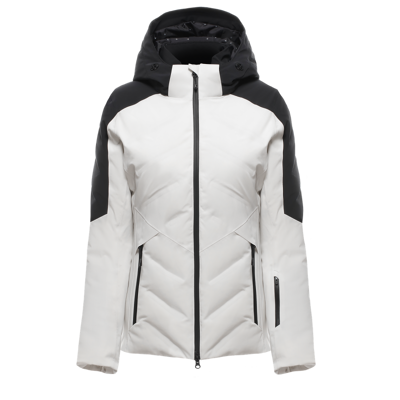
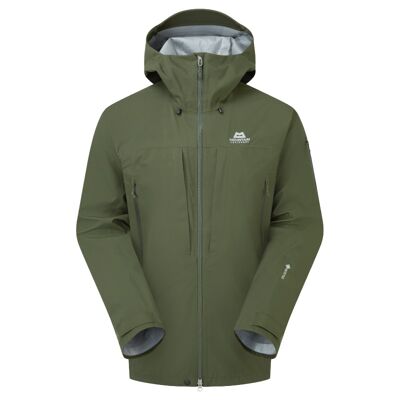
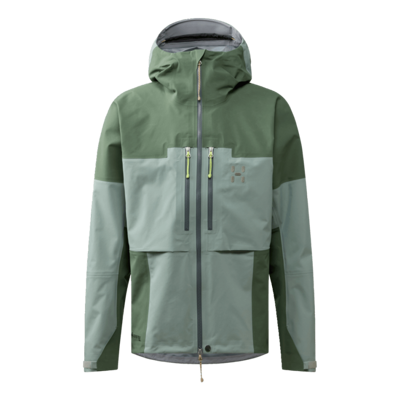
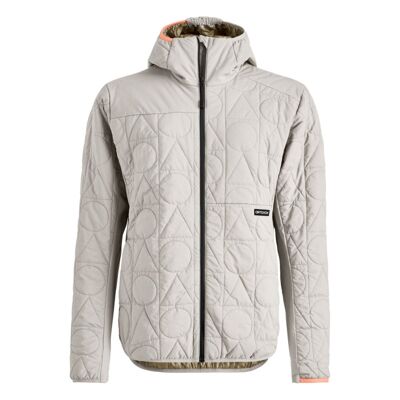
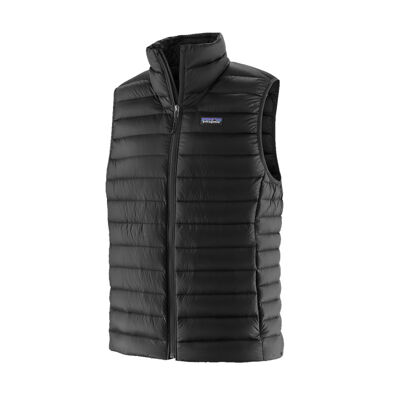
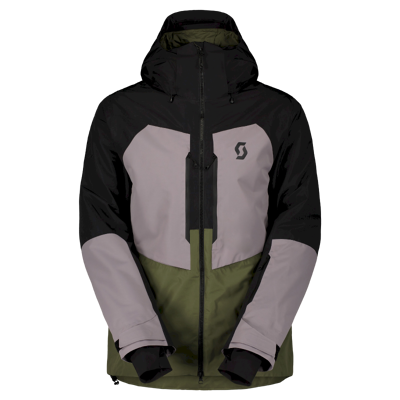
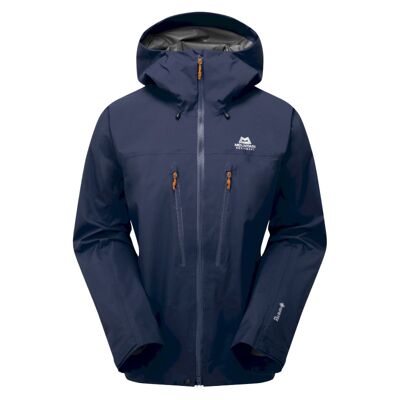
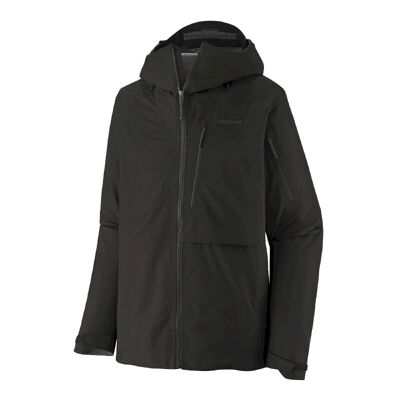
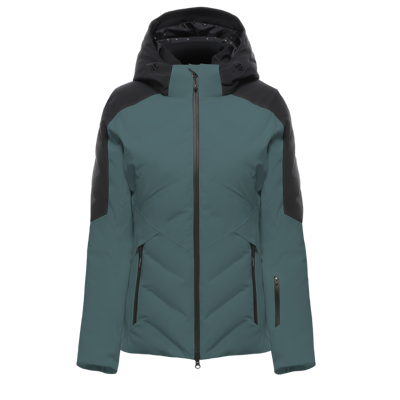
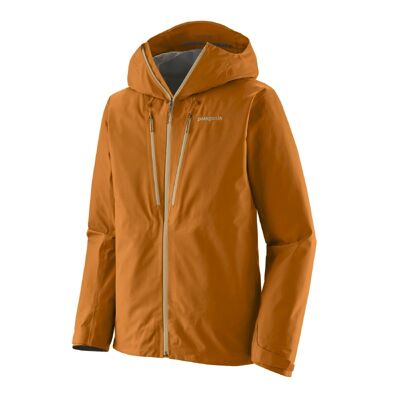
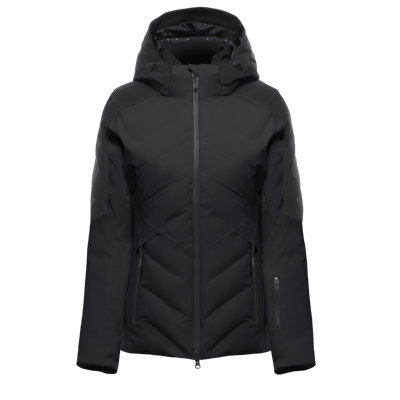
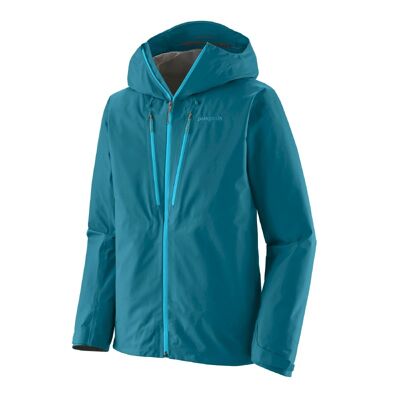
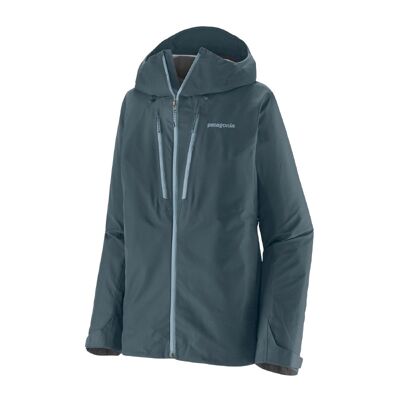
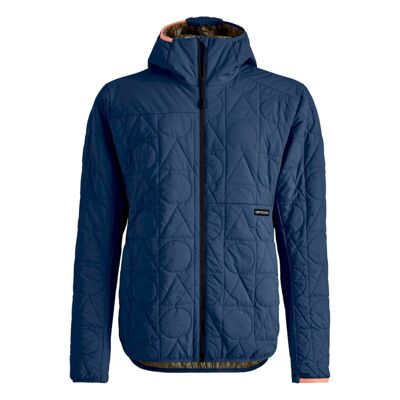
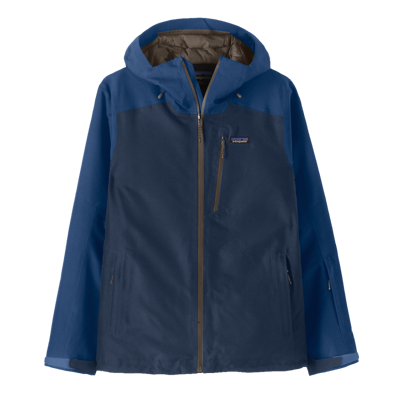
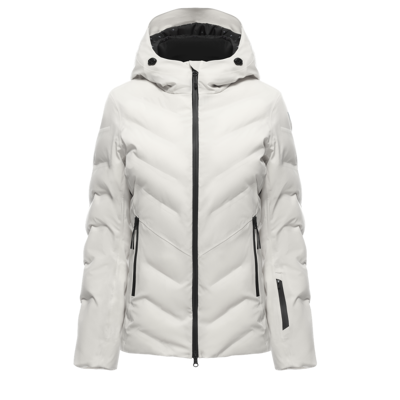
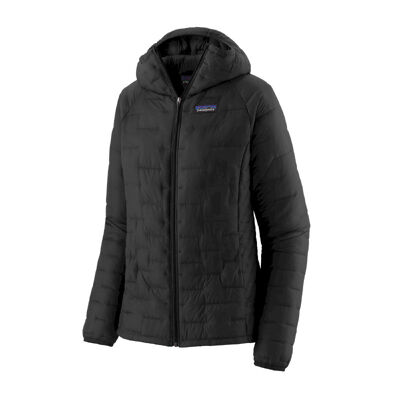
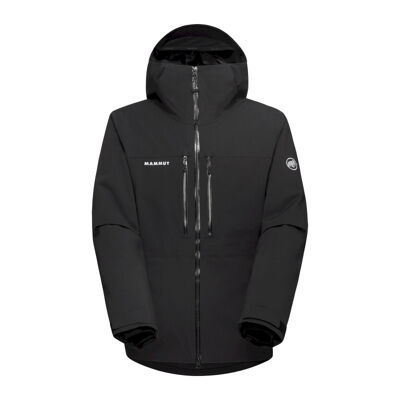
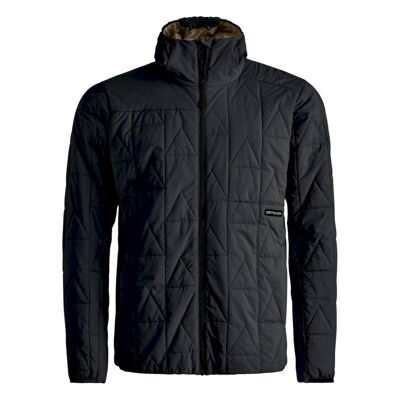
The ski jacket, an essential for your riding sessions
At last, the powder we’ve all been waiting for has finally arrived! It’s time for you to hit the ski slopes, enjoy the thrill of gliding, and indulge in some cheese! But first, you need to find a ski jacket worthy of the name that will allow you to enjoy the snow all winter long without shivering from the cold, or conversely, without dripping with sweat! What could be more unpleasant than being cold or soaked while racing down the snowy slopes of the Alps or the Massif Central? Choosing your ski jacket wisely is the guarantee of a perfect ski day. Whether you’re skiing in the beautiful resorts of the Portes du Soleil, tackling the slopes of the Vosges, trying out ski touring in the Pyrenees, or heading to discover the snow of the Canadian peaks, the ski jacket is an indispensable piece of your winter sports gear. To understand how to choose the right ski jacket, let’s start by reviewing the types of ski jackets that can be used for your powder sessions.
Overview of different ski jackets
There are several types of ski jackets, which is why it’s crucial to understand how each one works to choose the one that best suits your needs and practice.
Traditional ski jacket
As its name suggests, the traditional ski jacket is the most commonly used and offers the greatest versatility. With significant waterproofing, it guarantees perfect protection against sometimes capricious weather, while providing enough room for you to comfortably wear other layers underneath depending on the temperatures. Your ski jacket should not allow a single drop of water or flake of snow to seep in. Whether the weather turns bad or you fall into the snow, you will stay dry thanks to the waterproof properties of your ski jacket’s membrane: Defender®, Gore-Tex®, or H2NO®, you have plenty of options. Waterproof, yes. Warm, too! Equipped with a lining for better warmth, a traditional ski jacket is particularly suitable for skiing on-piste and freeride skiing. The ski jacket is designed to provide optimal thermal insulation that will be sufficient to face the biting cold during ski lifts and pleasant during your sporty descents when your body temperature rises. Moreover, a traditional ski jacket adapts relatively well to different seasons and weather, and generally features ventilation zones for better breathability, especially in spring.
Hardshell
Common in the trail world, the hardshell is also fully utilized by those who engage in ski actively. Thus, if you are a fan of ski touring, cross-country skiing, or technical and physical descents, you will opt for a hardshell as your ski jacket. Designed with a waterproof membrane, the hardshell aims to protect you from external elements such as rain, wind, or snow. However, this type of technical garment does not provide warmth, so you will need to ensure you wear an effective mid-layer to maintain sufficient thermal insulation. In this regard, a fleece is highly recommended, as it effectively wicks away sweat due to its particularly quick drying, while providing enough thermal insulation to cope with the low temperatures of snowy mountains. Freedom of movement, lightness, insulation, and finesse: these are all characteristics you will find in a hardshell as a ski jacket.
3-in-1 jacket
Ultra versatile, the 3-in-1 jacket combines the advantages of a mid-layer and an outer waterproof layer. In other words, this type of jacket offers thermal insulation thanks to its removable inner layer, as well as protection against external elements like a hardshell with its waterproof outer layer. A 3-in-1 jacket can be used as a ski garment and is particularly suitable for facing changing weather and climates during your ski sessions. You can wear just one layer or both, depending on the temperatures and weather conditions.
Choosing your ski jacket: different characteristics
For those who choose to go for a traditional ski jacket, several characteristics must be taken into account to find the ideal ski jacket!
Ski jacket: what waterproofing
As with any waterproof garment, the Schmerber level measures the waterproofing level of your ski jacket. The test conducted to measure this level is simple: a column filled with water is placed on the fabric to be measured, knowing that 1 schmerber equals a 1 mm water column. Thus, beyond 10,000 Schmerber, your ski jacket will be sufficiently waterproof for on-piste skiing, for example. To cope with significant powder, 20,000 schmerber will be ideal to keep you dry.
Ski jacket: the utility of ventilation zips
Perfect for good ventilation, ventilation zips prevent a sauna effect inside your ski jacket, and are therefore particularly useful for engaged practice. These ventilation zips can be represented by total openings or in the form of mesh to prevent any snow entry.
Ski jacket: snow skirt, an extra comfort
Directly integrated into your ski jacket, the snow skirt ensures that snow does not enter your clothing, as can happen during a fall, for example. It is even sometimes possible to attach the snow skirt to the trousers with snap buttons for added security! For beginners in skiing, or for those who like to try new tricks, a snow skirt can indeed represent an important feature when choosing your ski jacket.
Ski jacket: pockets, a must-have for your belongings
As with any jacket, we generally need to slip in our essential belongings, or even some ski equipment like the pass to present at each ski lift. However, while pockets are not a problem during moderate practice on the slopes, this is not the case for more engaged practice, which requires a minimalist jacket. In this case, an internal pocket will be necessary, while two external pockets will suffice. For leisure practice, on the contrary, treat yourself by choosing your ski jacket: chest pockets, internal pocket, special pockets on the sleeves for the pass, anything is possible!
Ski jacket: what type of hood to choose?
Present on almost all ski jackets, the hood is a key element to keep you sheltered from potential snow and wind showers. For those who wear a helmet, it’s ideal that it can be worn with it: a parameter to check during fittings!
Ski jacket: wrist tightening and thumb loops to combat the cold
All ski jackets are equipped with a tightening system at the wrists, often in the form of Velcro, to adjust your jacket according to your gloves, but also to the heat and wind. However, thumb loops are not necessarily standard on a ski jacket. Yet, they are particularly appreciated for keeping you warm, as they effectively hold your sleeves in place and prevent any cold air from entering at your wrists.
Ski jacket: the RECCO beacon, an extra safety
The RECCO beacon, usually sewn inside the ski jacket, allows rescuers to find your trace in case of an avalanche, for example. Not mandatory, this option is, however, more reassuring and represents a significant feature at the time of purchasing your ski jacket.
Ski jacket: what about waterproof zippers?
For even more waterproofing against snow, some ski jackets are equipped with waterproof zippers, thus preventing any moisture from entering through the zippers.
Ski jacket: what cut to adopt
Beyond the “fashion” aspect, the cut of your ski jacket is important because depending on your practice, it may be poorly or not at all adapted, or conversely, totally suitable. Thus, for snowboarders or freestylers, a loose cut allows comfort and freedom of movement, while providing enough space to add several layers underneath your ski jacket. Conversely, for optimal thermal insulation, prefer a fitted cut, particularly favored for skiing on-piste, which requires fewer overlapping layers.
Ski jacket: the importance of thermal lining
As mentioned earlier, there are indeed thermal linings, which can be natural or synthetic. In this regard, Primaloft and E-Loft, true references in terms of insulation, are frequently used. The lining thus makes all the difference between a hardshell, which serves to protect against external elements without providing warmth, and a ski jacket, which combines these two qualities. This layering ensures protection against the cold and against bad weather and humidity, making it particularly useful for an activity such as skiing on-piste.
Ski jacket: what clothes to wear underneath?
You are now equipped with all the necessary information to find THE ideal ski jacket for your skiing practice. However, one question remains: how to dress under your ski jacket? To answer this question as clearly and completely as possible, a reminder of the 3-layer system is in order!
So, what is the 3-layer system? This is actually the layering of three layers (hence the name!), each with a well-defined role, allowing you optimal comfort during any outdoor activity. Skiing is not the only discipline for which this system applies: trail running, hiking, trekking, climbing, etc., all embody this system, which is currently the most effective in the mountains. Thus, the 3-layer system aims to protect you from external elements while ensuring you sufficient warmth, combined with optimal breathability for engaging in a sporting activity.
Firstly, you should wear a base layer under your ski jacket. This takes the form of a t-shirt or technical underwear. In direct contact with your skin, this base layer should effectively wick away your sweat by acting like a second skin. In this regard, it is recommended to use a technical base layer worn close to the body.
The second layer, also known as the mid-layer, is also worn under your ski jacket. However, if your ski jacket has a sufficiently warm lining, you may be able to skip it depending on the temperatures and weather conditions. This mid-layer aims to keep you warm, thanks to effective thermal insulation. In this regard, fleeces are particularly suitable for skiing, due to their optimal sweat-wicking and good thermal capabilities. If you opt for a hardshell as your ski jacket, a second layer is absolutely essential, as your hardshell will not provide any warmth. For this, a fleece or down jacket, references in terms of mid-layers, will be essential. In case of particularly low temperatures with moderately intense practice, a down jacket will be perfect. Conversely, for intense practice in low temperatures, a synthetic down jacket will be preferred as it wicks away sweat better and dries faster. For a ski session in spring, or when temperatures are milder, a fleece will be preferred as it wicks sweat best while providing a lower thermal contribution than a down jacket.
Finally, the ultimate and last layer, the third layer, constitutes your barrier against external elements such as rain, wind, and snow. Materialized in the form of a hardshell (literally “hard shell”), this layer is equipped with a waterproof membrane to keep you dry regardless of the conditions. The third layer must also be breathable to avoid any “sauna” effect and thus allow good sweat and heat wicking if needed. For this layer, no layering: your ski jacket plays the role of the third layer entirely. Thus, depending on the temperatures and your sensitivity to cold, you can wear your ski jacket as the third layer over your technical base layer and your mid-layer type fleece, or as the second and third layers over your technical base layer only! With this 3-layer system, to be adapted according to the season and temperatures, you will be sure to ski in the best possible conditions.
Find your ski jacket on Hardloop.fr
Ski jacket traditional, 3-in-1 jacket, hardshell: so many types of ski jackets are available to you to allow you to glide through the powder in complete comfort. Millet, Eider, Patagonia, Mammut, Protest, Salomon... the biggest alpine sports brands offer you different ski jackets to meet your needs. From the most comfortable with maximum thermal insulation to the most performance-oriented with a minimalist design and flawless lightness, there is certainly a ski jacket that suits you on Hardloop.fr! You now know how to choose the ski jacket that corresponds to your practice and level of intensity, which will allow you optimal comfort for your winter sports! On hardloop.fr, you will find a wide range of ski jackets, allowing you to find the ski jacket made for you! If you still have doubts about choosing your ski jacket, feel free to ask us any questions. Our team will answer all your inquiries at 01 48 58 30 28 (free call). You can also write to us at hello@hardloop.com.