
Women's Climbing Shoes
- Shoes & boots (4392)
- Walking shoes (931)
- Hiking boots (510)
- Mountaineering boots (43)
- Approach shoes (118)
- Nordic walking shoes (1)
- Trail running shoes (524)
- Running shoes (376)
- Climbing shoes (78)
- Cycling shoes (79)
- Walking sandals (306)
- Ski boots (26)
- Snow & winter boots (422)
- Rain Shoes (137)
- Lifestyle shoes (2034)
- Flip flops & slides (51)
- Carbon plate shoes (21)
- Women's Boat shoes (10)
- Women's Water shoes (3)
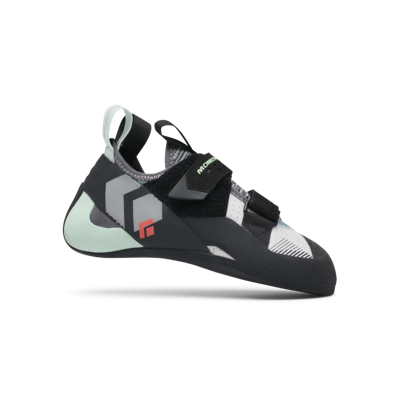
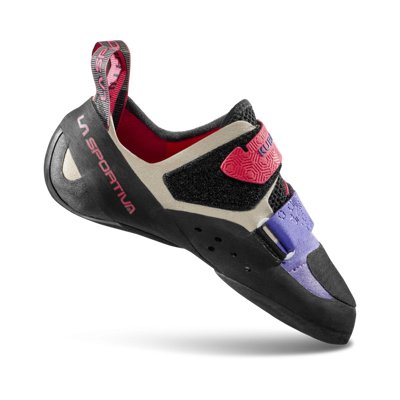
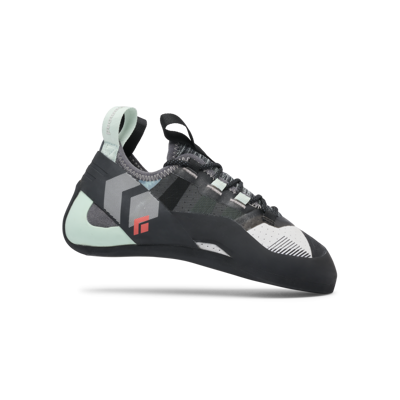
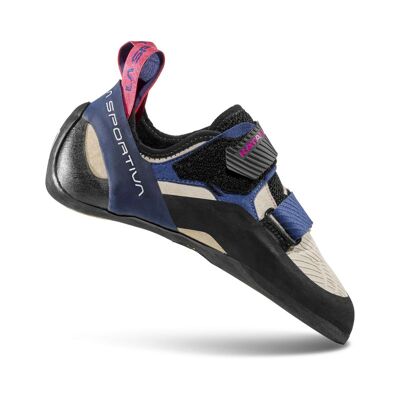
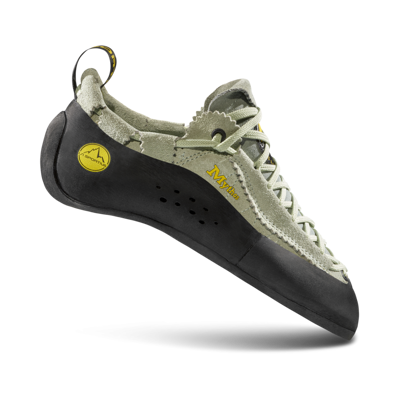
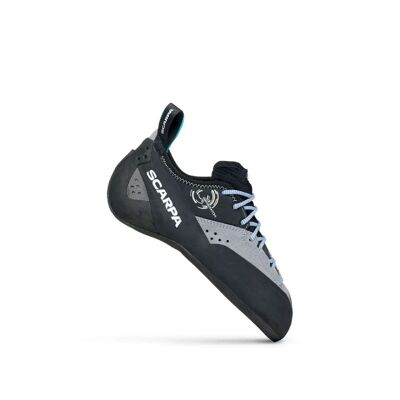
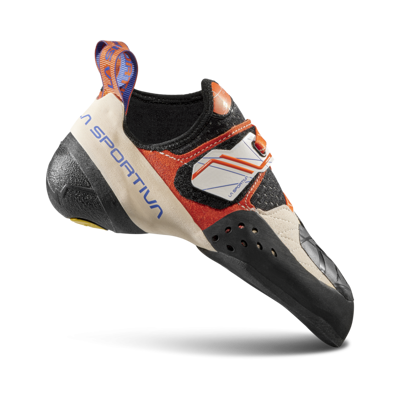
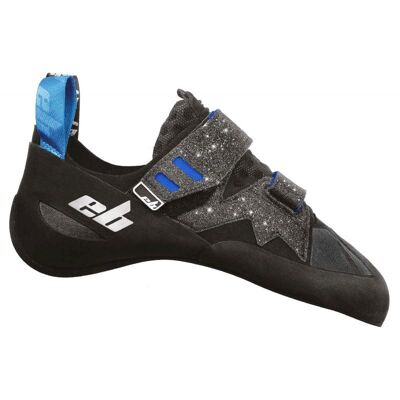
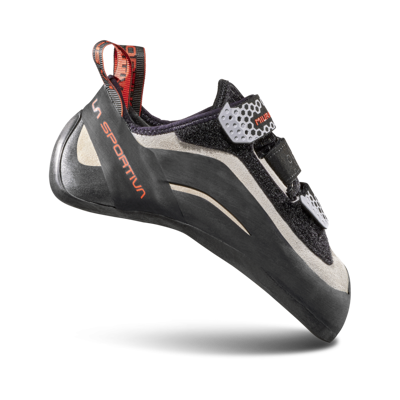
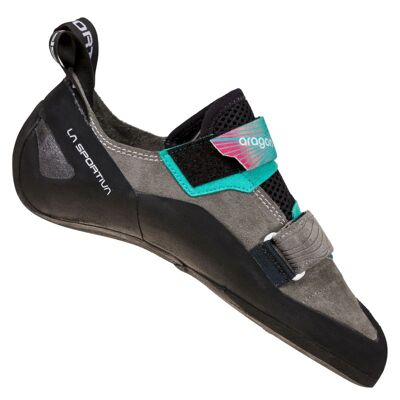
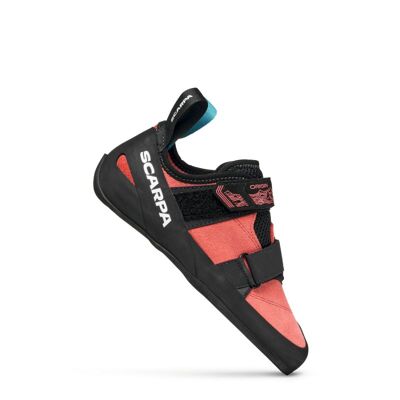
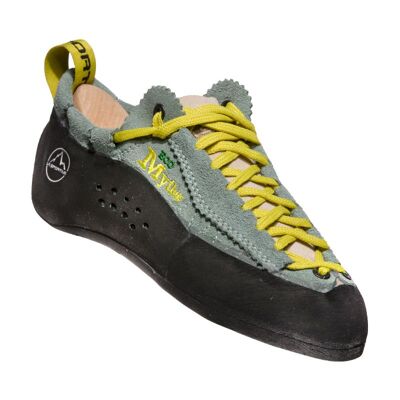
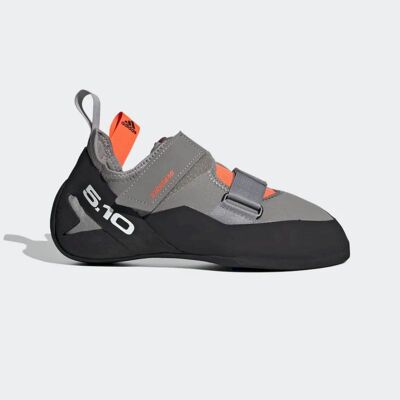
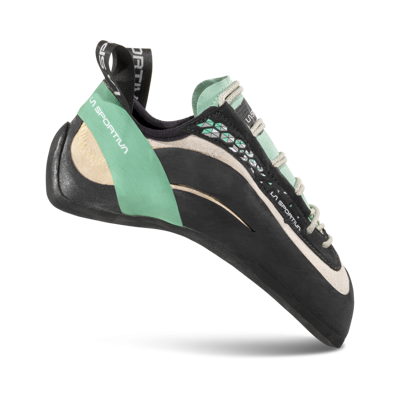
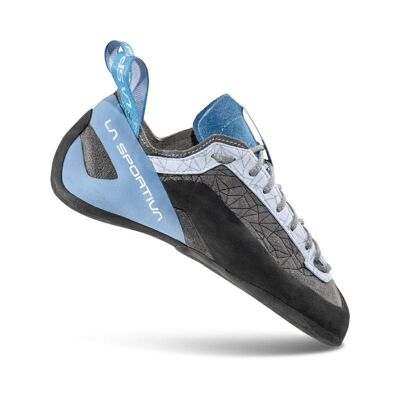
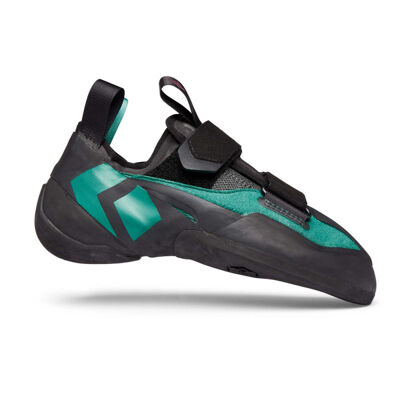
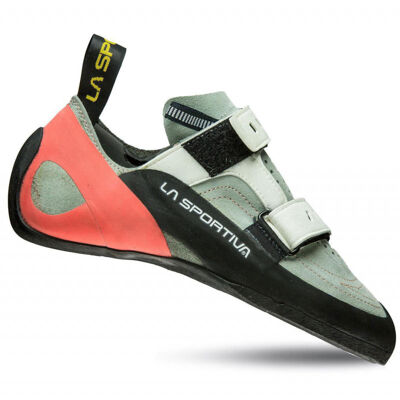
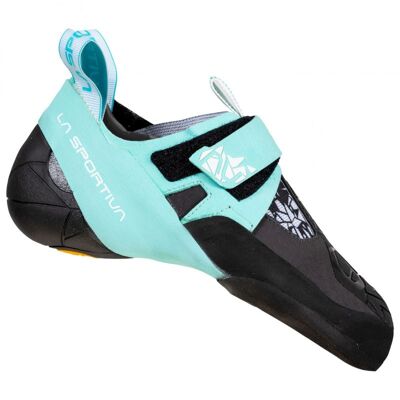
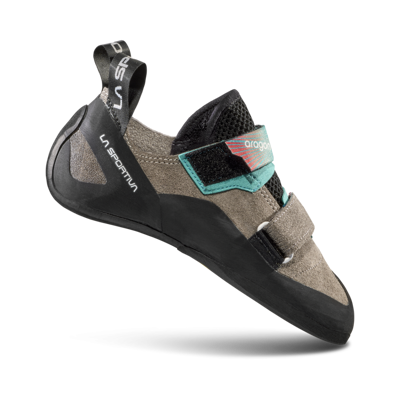
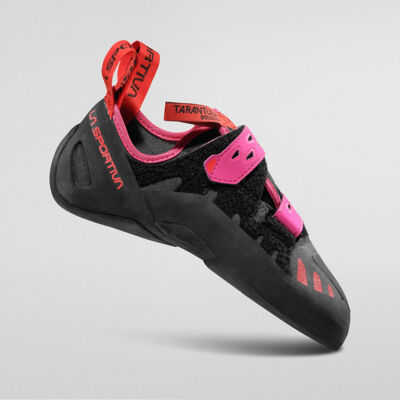

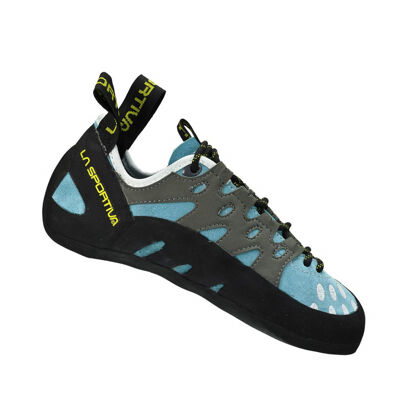
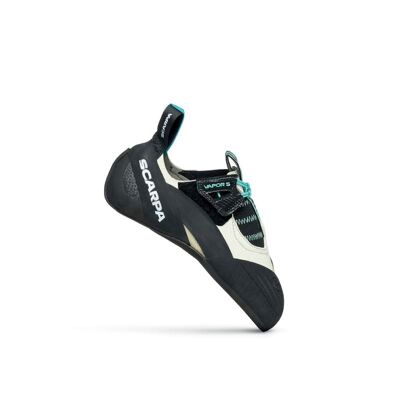
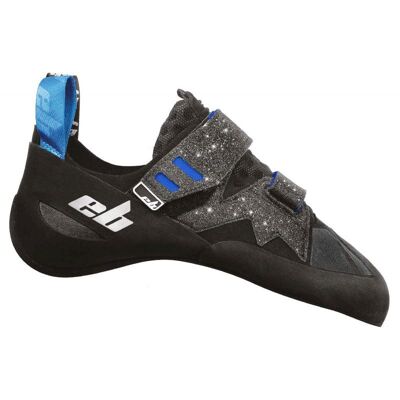
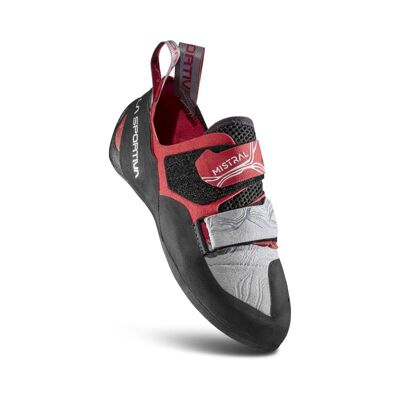
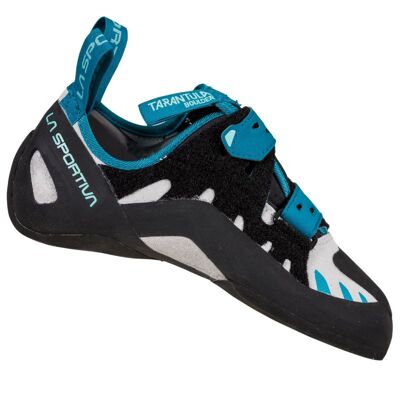
Selecting the Right Women's Climbing Shoes
When you climb, your women's climbing shoes are the key element that will allow you to perform at your best. Selecting the appropriate women's climbing shoes for your practice is therefore crucial. Over the years, climbing has gained immense popularity, with many enthusiasts across various climbing disciplines. The women's climbing shoes must possess different characteristics to suit each type of practice. The gym, bouldering, crag, and multi-pitch all have specific requirements. Choosing the right women's climbing shoes can sometimes be a complex decision, especially with the multitude of brands and models available on the market. While some women's climbing shoes are specialized for a particular type of climbing, others are designed for more general use. To help you navigate this, we will break down the components of women's climbing shoes so you can better understand how to make your choice.
Different Components of Women's Climbing Shoes
Different Shapes of Women's Climbing Shoes
There are two different shapes for women's climbing shoes: a symmetrical shape and an asymmetrical shape. To determine which shape to choose, you need to consider your climbing level and the shape of your feet. Let's first discuss the two types of shapes that women's climbing shoes can take.
- Symmetrical women's climbing shoes (straight): the shoe has a straight shape with a central toe. This feature allows you to use all your toes when climbing. This type of shoe is often recommended for beginners or those with wider feet. Despite these recommendations, symmetrical women's climbing shoes are still precise and adherent.
- Asymmetrical women's climbing shoes: these shoes have a highly exaggerated asymmetrical shape. The toe of the asymmetrical women's climbing shoes is centered on the big toe. This design is advantageous as it allows you to concentrate your strength on one toe. You therefore have more precision and grip on small holds. This type of women's climbing shoes is much more demanding than a straight shoe: you need to know how to take advantage of its technicality and be able to endure discomfort when wearing it, which requires a relatively high level.
When choosing the shape of your women's climbing shoes, the shape of your feet also plays a crucial role. There are indeed different foot shapes that accommodate the various shoe shapes more or less easily. The three most common foot shapes are as follows:
Egyptian foot: if you have this type of foot, your big toe will be the longest.
Greek foot: if you have this type of foot, the toe next to your big toe will be the longest.
Square foot: if you have this type of foot, all your toes are of equal length except for the smallest.
You will thus understand that an Egyptian foot is naturally predisposed to wearing women's climbing shoes that are asymmetrical. With the big toe being the longest on this type of foot, you will find it easier to push off. Conversely, for Greek or square feet, wearing asymmetrical shoes may cause much more discomfort, as your toes are not suited for this shape.
Different Closure Systems for Women's Climbing Shoes
You can find three different types of closures on women's climbing shoes: slip-on, Velcro, and laces. Each of these closure types has its own specifics.
Slip-on: a slip-on shoe is made with elastic around the ankle. This feature makes it easy to put on and take off your women's climbing shoes. This is particularly useful in the gym for keeping your feet free between sessions or when you need to belay someone. Economical to produce, slip-on shoes reduce the cost of women's climbing shoes. Despite all these advantages, a slip-on closure also has disadvantages. Indeed, this closure system offers the least support compared to the other types: over time, the elastic in the slip-on shoes tends to loosen, reducing the support of your women's climbing shoes. This is why slip-on shoes are mainly used indoors.
Velcro: Velcro is a closure system that offers a good compromise between slip-on and laces. This closure system allows you to put on and take off your women's climbing shoes relatively quickly. However, the fit will be less precise than with laces, and Velcro also suffers from wear and tear over time, eventually failing to provide adequate support. Nevertheless, women's climbing shoes equipped with Velcro are relatively versatile and can be used in both the gym and on the crag.
Laces: with laces, you have the most precise closure system, ensuring your feet are perfectly secured. The main drawback of laces is the time it takes to put on and take off your shoes. Women's climbing shoes with laces are best suited for crag and multi-pitch climbing, where good support is essential.
Stiffness and Flexibility of Women's Climbing Shoes
Here we distinguish between two types of women's climbing shoes: stiff and flexible shoes. If you opt for a stiff climbing shoe, you will feel less of the wall under your feet, but you will be able to transmit more power during your pushes. This type of shoe is ideal for small holds on the crag. On the other hand, if you choose flexible women's climbing shoes, your feet will be less compressed, and you will have better grip on rounded holds, although you may experience reduced dynamism.
For women who wish to practice climbing in bouldering and on the crag, two options are available:
- You can buy two or more pairs of women's climbing shoes. You can choose one dedicated to bouldering and another pair specifically for crag climbing.
- A second option is to buy a versatile pair of women's climbing shoes. This pair will allow you to practice climbing on various terrains. However, keep in mind that a versatile shoe will never be as effective as a shoe specifically designed for a certain type of route.
Different Rubbers for Women's Climbing Shoes
To find your women's climbing shoes among all the models available on the market, it is important to consider the type of rubber necessary for your practice. If your women's climbing shoes are flexible, a fine and soft rubber will be required. This rubber, combined with the flexibility of the shoe, offers flexibility and grip. These rubbers are generally used for bouldering. Conversely, if your women's climbing shoes are stiff, you will have a thicker and more compact rubber. This rubber, combined with the stiffness of the shoe, makes it more dynamic and provides more power during a push. These rubbers are ideal for climbing on the crag. Below are the main rubbers you can find:
C4 Five Ten and XS Edge Vibram: with a thickness of 4 to 5 mm, these rubbers are durable and provide a good compromise between grip and edging.
Onyx Five Ten: with a thickness of 4 mm, this rubber is sticky and soft.
XS Grip Vibram: with a thickness of 4 to 5 mm, this rubber has the same characteristics as the Onyx Five Ten.
XS Grip 2 Vibram: with a thickness of 3.5 mm, this rubber is the thinnest of all. It is designed to fit smaller, lighter individuals.
Different Toes of Women's Climbing Shoes
This part of your shoe, located at your toes, can be chosen to be more or less fine. It is important to know that the finer it is, the more precision you will have. However, this precision comes at the expense of comfort, which is significantly reduced. You must therefore find the right balance between precision and comfort for your feet.
The Camber Level of Women's Climbing Shoes
Also known as the "shoe claw", women's climbing shoes with a high camber are uncomfortable but very effective on overhangs. Thanks to the "claw" effect provided by the camber, you can easily push off on holds with the tips of your toes. However, a high camber level implies a relatively high climbing level. For beginners, we recommend adopting women's climbing shoes with a low or medium camber.
The Importance of the Heel in Women's Climbing Shoes
The heel of women's climbing shoes is an important part of the shoe. It must provide solid support to your foot so that it does not move when you climb. To ensure it does not shift, push with the toe of the shoe: if tension spreads along the shoe from the heel, your foot is properly secured. Additionally, be cautious of heels that rise too high on your ankle, as they may cause discomfort and irritation.
Different Materials of Women's Climbing Shoes
The upper material of women's climbing shoes can be made of either leather or synthetic material. It can also be a combination of both.
Leather: the leather uppers of women's climbing shoes are durable and flexible. They are recommended for beginners, as they provide a shoe that adapts to their foot, offering a certain level of comfort when starting out in climbing. However, there is a small period of discomfort while the leather upper molds to your foot. The downside of these uppers is that leather tends to stretch too much over time, deforming your shoe and potentially adding up to half a size.
Synthetic: synthetic uppers are extremely stiff compared to leather uppers. They do not stretch much at all. When choosing your women's climbing shoes, you must be certain of your size. Women's climbing shoes made of synthetic material will not adapt to your foot like those with a leather upper.
Leather - Synthetic Mix: an upper of women's climbing shoes can also be made from both leather and synthetic materials. The synthetic provides rigidity at the toes, while the leather offers flexibility in the rest of the shoe, giving you a good compromise between comfort and precision.
4 Different Categories in Climbing
You now know all the components of women's climbing shoes. You now need to identify your practice as well as the profile of your climbing routes to find the most suitable women's climbing shoes.
Women's Climbing Shoes: Crag Category
For climbers who enjoy the crag, to choose your shoes correctly, you need to identify the profile of the routes you like to climb. Do you prefer climbing on a vertical wall or on overhangs? If you tend to climb on overhangs, cambered and asymmetrical women's climbing shoes will be your best allies. If you enjoy climbing on vertical routes with small holds, you should choose women's climbing shoes that are stiff, ensuring power and dynamism. Additionally, laces are recommended to achieve the best possible support, which is essential on the crag.
3 models of women's climbing shoes for the crag:
Women's Climbing Shoes: Bouldering Category
To choose the women's climbing shoes that suit your bouldering practice, it is useful to first identify the profile of the boulders you will be climbing. If the boulder primarily consists of small edges, you should opt for stiff women's climbing shoes to have the necessary power at your feet. If the boulder features large holds, flexible women's climbing shoes will provide all the grip you need.
3 models of women's climbing shoes for bouldering:
-LD Siurana -Millet
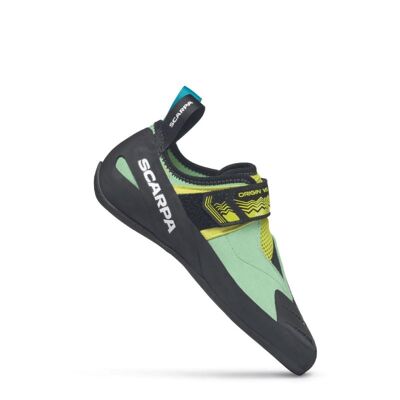
-Vapor V Woman -Scarpa
Women's Climbing Shoes: Multi-Pitch Category
If you are a fan of climbing in multi-pitch, choosing the women's climbing shoes you usually wear on the crag is wise. However, since multi-pitch climbing requires significant effort over a longer duration, your feet may swell inside your shoes. That’s why we recommend choosing half a size or even a full size larger than your usual crag size.
3 models of women's climbing shoes for multi-pitch:
Women's Climbing Shoes: Gym Category
If you enjoy practicing climbing in the gym, know that you won’t need shoes as technical as those required for outdoor climbing, as the holds in the gym are easier to grip than those on the crag. Furthermore, women's climbing shoes with a Velcro closure system are also possible, even recommended for the gym, as they are more practical.
3 models of women's climbing shoes for the gym:
Your Women's Climbing Shoes According to Your Level
Now that you know how to choose your women's climbing shoes based on your practice, you should also assess your level.
Women's Climbing Shoes: Beginner Level
If you are a beginner, prioritize comfort. Comfort is essential for enjoying your climbing experience. This will allow you to progress more quickly. Your feet should be properly secured but not overly compressed. To choose your women's climbing shoes at a beginner level, it is ideal to have your feet measured by a specialist. This will give you a base size, which you can then adjust by half a size or a full size more or less depending on your comfort level. As a beginner, opt for shoes that are straight, flat, or slightly cambered. This will be sufficient for you to push off on relatively easy holds.
3 models of women's climbing shoes for beginners:
Women's Climbing Shoes: Intermediate Level
For someone at an intermediate level, your women's climbing shoes should offer more technicality. You will need to sacrifice some of the comfort you had with your beginner shoes. This is the time to choose shoes with a slight asymmetrical shape and camber, gently guiding you towards more technical options.
3 models of women's climbing shoes for intermediate level:
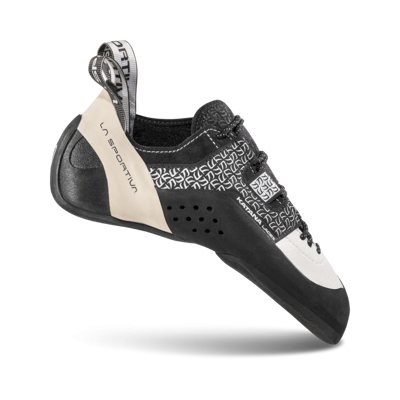
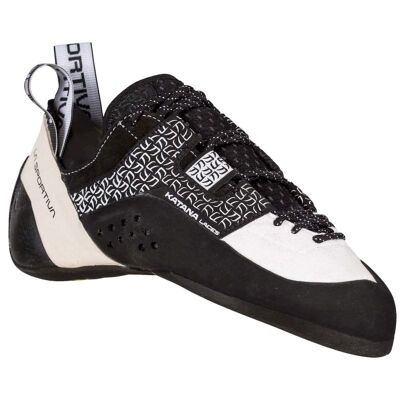
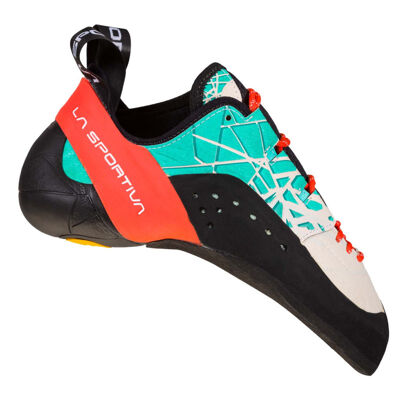
-Katana -La Sportiva
Women's Climbing Shoes: Expert Level
If you have extensive experience in climbing, you are likely comfortable selecting your women's climbing shoes. At this stage, the levels of camber and asymmetry are quite important, and technicality takes precedence over comfort.
3 models of women's climbing shoes for expert level:
The Size of Your Women's Climbing Shoes
To ensure you have chosen the right size for your women's climbing shoes, you must make sure that your foot does not move inside the shoe. Additionally, if you choose women's climbing shoes with an asymmetrical and/or cambered shape, be sure you can endure the discomfort this may cause your feet during an entire session. If you wish to wear socks with your shoes, ensure they are thin enough not to create too much size difference if you decide to wear your women's climbing shoes without socks.
Wearing Socks with Women's Climbing Shoes?
To answer this question, the best approach is to try it for yourself. Some climbers argue that socks reduce the sensations felt and cause your feet to slide in the shoe. Others believe that socks are beneficial as they limit the formation of odors and blisters and can contribute to a good fit, especially for thin feet with a Velcro closure system. It's up to you!
Choose the Women's Climbing Shoes You Need at Hardloop.co.uk
Feel free to visit Hardloop.co.uk. You can choose your women's climbing shoes from a wide selection of brands and different models. We aim to satisfy all climbers: we have selected women's climbing shoes that can suit all types of climbing. Black Diamond, La Sportiva, Scarpa, or Millet, choose the pair of women's climbing shoes that suits you on Hardloop.co.uk!